 by
by Extended Shutdown at GM’s Flint Plant
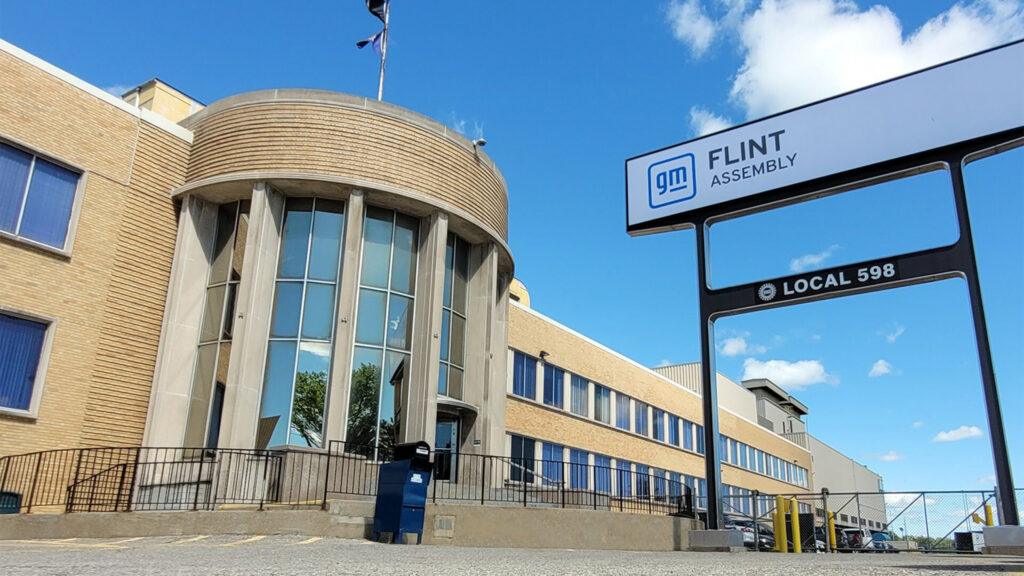
Automaker General Motors has confirmed that the temporary layoff of workers at the assembly plant in Flint will last until January 26. Thus, the production pause, which began before the holidays on December 24, has been significantly extended. Despite the assembly line stoppage, members of the UAW union will continue to receive supplemental unemployment benefits during this period.
Key points of the situation:
Scale and Consequences of the Shutdown
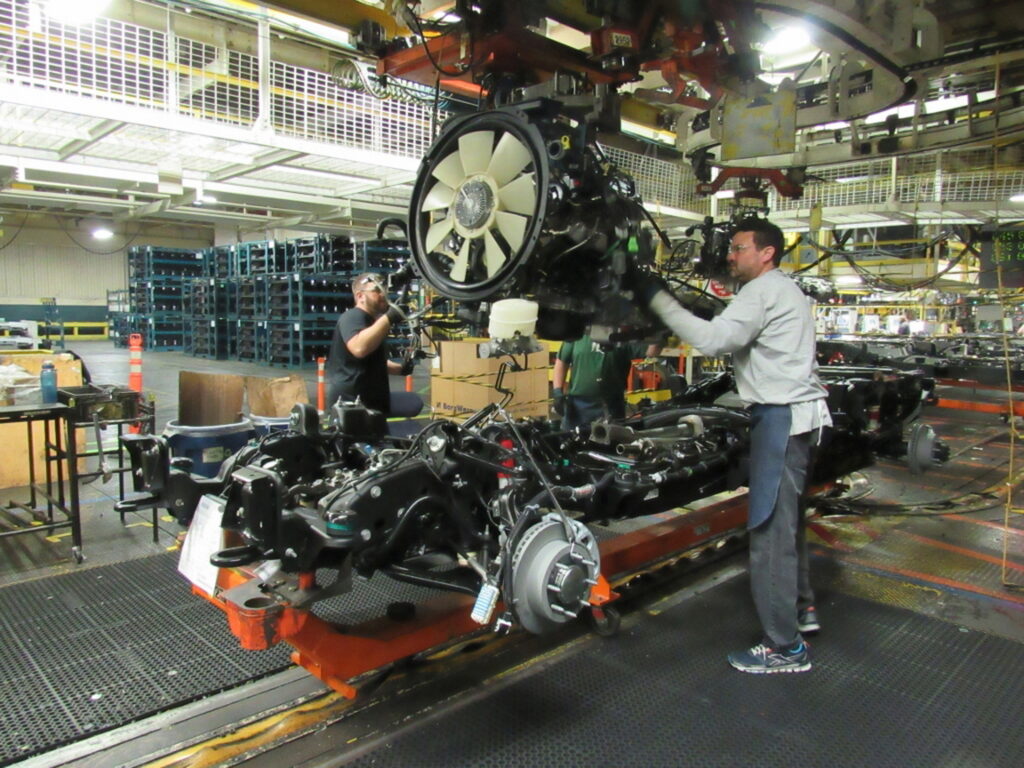
The facility in Flint, Michigan, is responsible for the production of heavy-duty Chevrolet Silverado HD and GMC Sierra HD pickups. Initial reports about the upcoming four-week shutdown appeared back in mid-December. An official notice, published on Facebook by the local UAW Local 598 committee, confirms that the company will independently apply for assistance for all fully or partially employed hourly workers affected by the layoff.
Reasons and GM’s Possible Plans
The company has not disclosed details of the so-called “project work.” However, according to expert assumptions, it may be related to the modernization of production capacities or preparation for future changes in the powertrain and model lineup. One of the most likely versions is preparation for the mass production launch of a new generation of small-displacement V8 engines (Gen 6), the unveiling of which is expected for 2027 models.
Approximately 5,000 people work at the Flint plant, making this temporary shutdown a significant event for the regional economy. Local shops, restaurants, and small businesses are already feeling the effects of reduced activity and purchasing power.
Situation at Other Plants of the Concern
The Flint plant is not the only one experiencing a prolonged pause. The production site in Bowling Green, Kentucky, where Corvette sports cars are assembled, has been idle since December 15. Work is scheduled to resume only on January 12. There are also no official comments regarding the reasons for this shutdown. Analysts suggest it may be a measure to regulate excess inventories of finished cars at Chevrolet dealerships, allowing for a balance of supply and demand.
Such prolonged shutdowns at several key plants simultaneously point to complex processes of restructuring or adaptation within the large auto giant. They may indicate not only technical modernization but also strategic shifts in plans for future models and their equipment. Temporary negative consequences for local economies may later be offset if, thanks to these changes, the plants become more competitive and ready to produce new products. The situation also serves as a reminder of the importance of social guarantees for large workforces during periods of technological transition.