


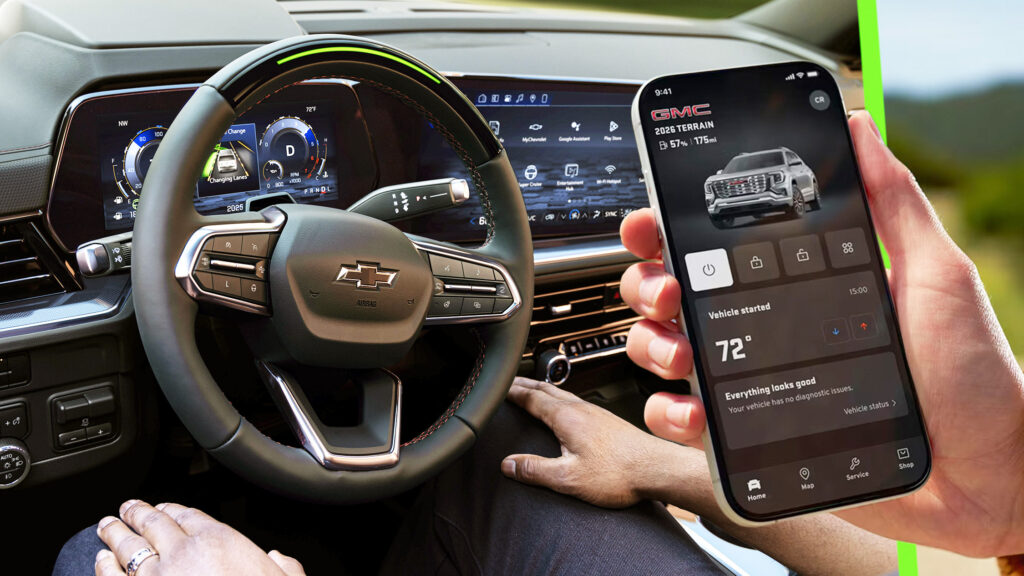
The century-old business model is changing
For over a century, automakers relied on a simple business model: build a car, sell it, and hope the owner returns for the next one in a few years. However, GM realized a few years ago that a much more profitable option was right under its nose: charging customers a monthly fee.
The numbers are striking. According to GM, its software and services business retains roughly 70 cents of every dollar earned, reports Business Insider. Compare that to the meager margins often made from car sales — sometimes manufacturers can keep only 4-10 cents of every dollar of revenue — and it becomes clear why executives are so excited.
Why OnStar and Super Cruise are turning into gold mines
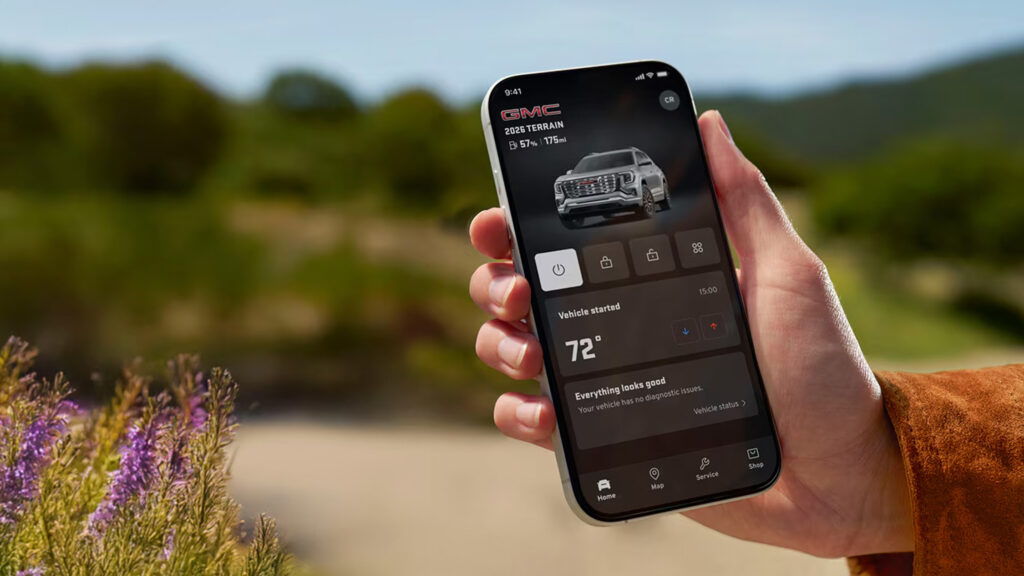
A significant portion of this growth comes from well-known brands. OnStar, once known as the emergency button pressed only when you crashed your parents’ car, has transformed into a powerful business. The connected services platform brought in about $800 million in the second quarter and continues to steadily attract new customers.
Super Cruise — GM’s hands-free driving technology — is also a major profit driver. Many owners choose to stay after the free trial period ends. This is the ideal scenario for any subscription business: convincing people to use free technology is one thing, but getting them to pay $39.99 a month — that’s where the real magic lies, especially given that research shows people hate paying. GM expects to have 850,000 Super Cruise subscribers and nearly 13 million OnStar subscribers by the end of 2026.
This is just the beginning
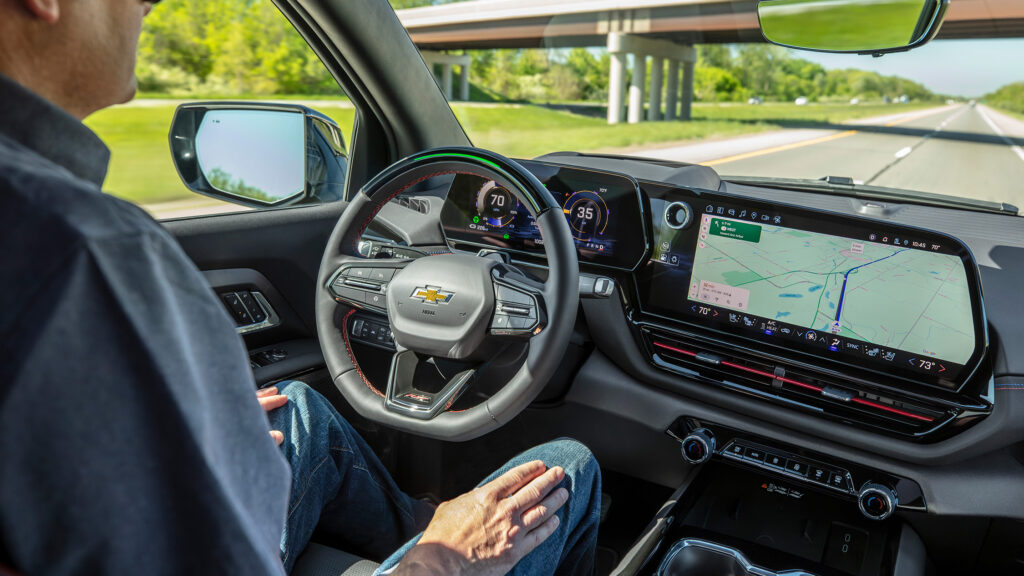

CEO Mary Barra sees plenty of room for expansion. As she told investors during the earnings report:
“We believe we have huge levers, multiple levers for growth”
She added that GM sees significant opportunities to improve profitability and reduce dependence on traditional boom-and-bust cycles in the industry.
This strategy is not unique to GM. Tesla recently moved its Full Self-Driving system to a subscription model, and Ford charges a recurring fee for BlueCruise. Mercedes, Audi, and BMW are also experimenting with software updates that can be activated after the car is purchased.
The car as a platform for recurring revenue
All of this became possible because modern cars are transforming into computers on wheels. Once the hardware is in your driveway, automakers can continue selling features, services, connectivity, and conveniences for years. For auto companies, this is an attractive future. For drivers, it means the monthly bills don’t stop when the loan payments end.
GM
This business transformation is not just a fad but a response to structural changes in the automotive industry. Traditional new car sales are becoming less profitable due to fierce competition, rising costs of developing electric vehicles, and demand fluctuations. Subscriptions, on the other hand, provide stable, predictable income and allow manufacturers to monetize the car throughout its entire lifecycle. Meanwhile, drivers should carefully watch the new terms: after a few years of ownership, the cost of the car could increase by thousands of dollars due to added services, and opting out sometimes results in losing key safety or comfort features that were previously part of the standard package.