 by
by Cars as Technological Hubs
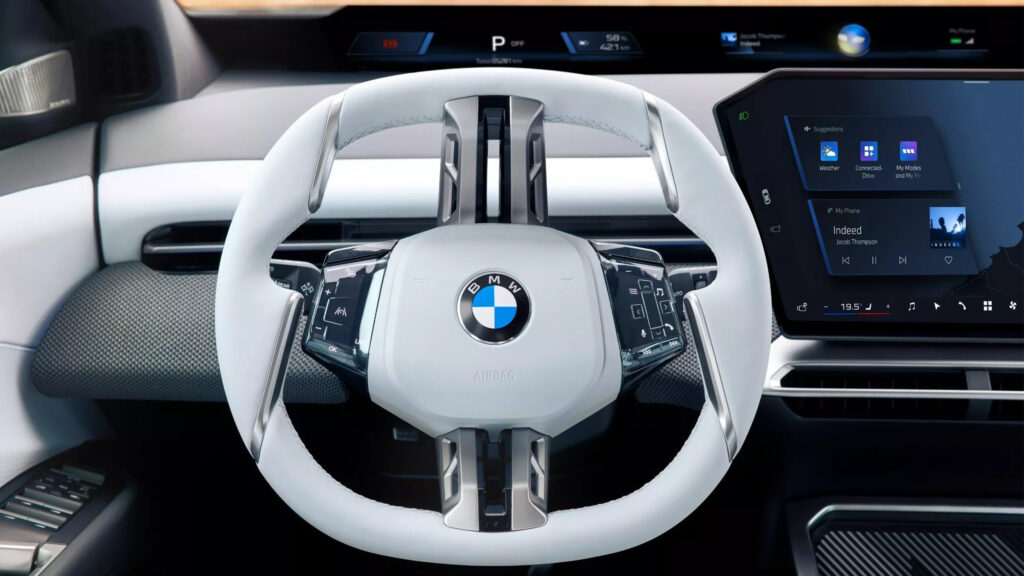
Modern cars have long ceased to be just a means of transportation from point A to point B. In recent years, they have transformed into true technological hubs on wheels, becoming smarter and more connected than ever before. This year, one of BMW’s most important new models – the second-generation iX3 – debuts with an advanced AI-based assistant, built on Amazon’s Alexa+ architecture.
An Intelligent Companion for the Driver
BMW announced that the updated version of the BMW Intelligent Personal Assistant will appear on the second-generation iX3 this year in Germany and the USA. The automaker claims the updated system will allow the iX3 to become an “intelligent companion” for its users.
BMW iX3 exceeds its official range by over 120 miles in real-world test
Natural Conversation Instead of Commands
Voice assistants in cars are not new, but BMW’s updated system is truly interesting. Users will no longer need to interact with the system using rigidly defined voice commands. Instead, requests and questions can be chained together, just as in normal human conversation. Furthermore, users will be able to easily ask follow-up questions regarding car features and a range of general topics.
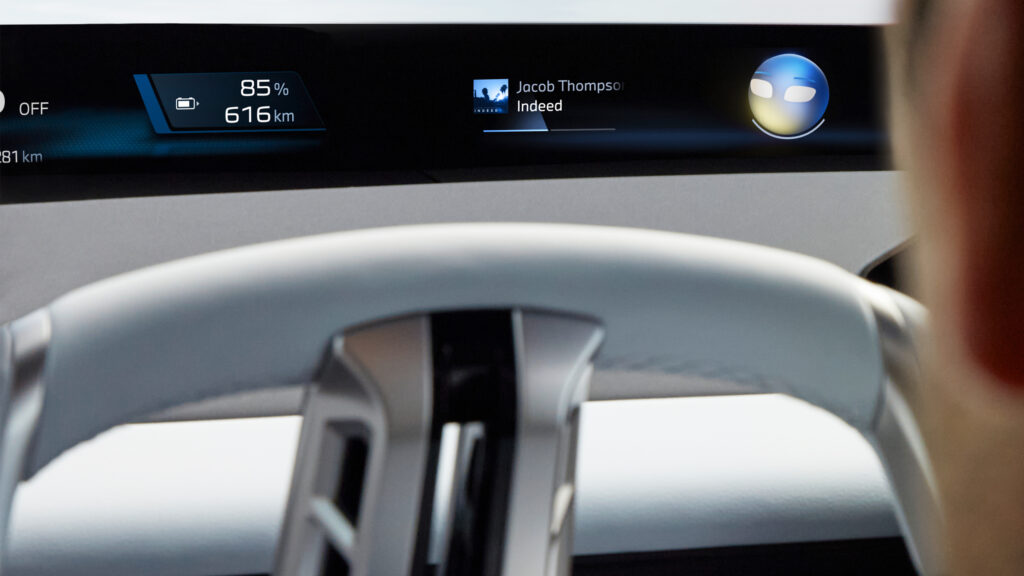
Generative AI that Understands Language
The updated BMW Intelligent Personal Assistant uses a generative AI model that understands language and formulates its own responses. Visitors to the monthly Consumer Electronics Show (CES) will be able to test the system firsthand ahead of its official launch in the second half of this year.
Integration with the Amazon Ecosystem
The system can also be linked to the user’s Amazon accounts, providing easy access to various types of content, including music and news.
Our partnership with Amazon is based on a shared vision of technological excellence. This has led to the creation of a product that sets new standards for natural interaction between humans and cars through the use of artificial intelligence. With the addition of Amazon’s Alexa+ technology to the BMW Intelligent Personal Assistant, the car becomes an intelligent companion for its users.
The development of voice interfaces in cars is gaining momentum, and BMW’s approach aimed at creating a dialog-based, rather than command-based, mode seems a logical step. This not only increases convenience but can also contribute to safety, as the driver will need to be less distracted by the screen. The success of such a system will depend on its ability to correctly recognize speech in various acoustic conditions and on the depth of its integration with the car’s functions, opening up new possibilities for personalization and location-based services.