 by
by Fuel Price Increase in the US Due to Conflict with Iran
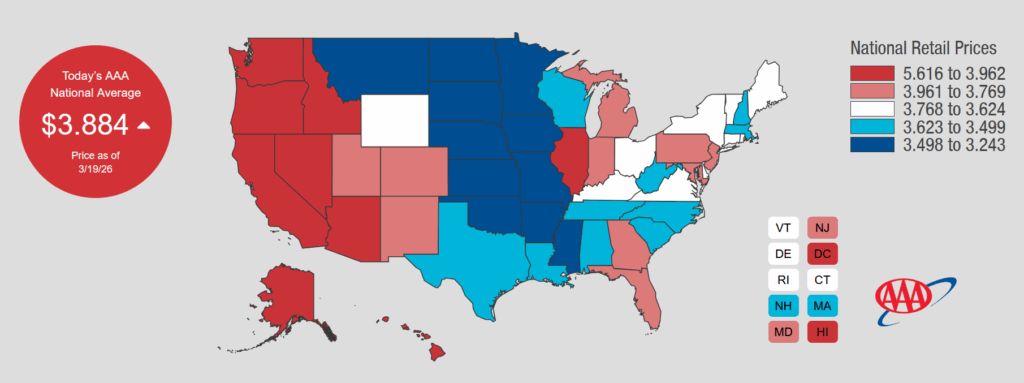
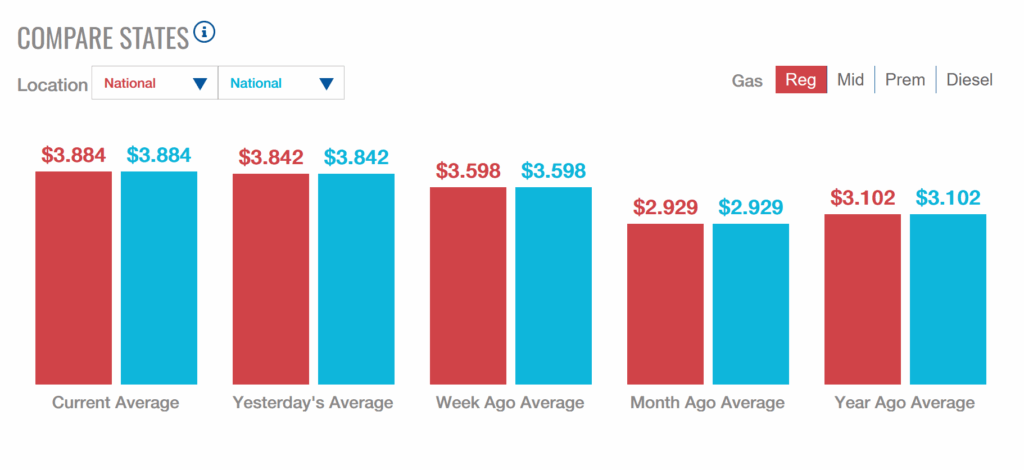
Fuel prices in the United States are rising sharply. With the start of the military conflict with Iran, the cost of fuel has increased by approximately 80-90 cents per gallon. In the state of Georgia, for example, regular gasoline cost about $3 per gallon before the crisis began, and now its price reaches $3.77. The cost of mid-grade fuel is $4.23, and premium is $4.64 per gallon. Legislators have decided not to wait for the conflict to end and are working to suspend the fuel tax for 60 days to ease the financial burden on residents.
Georgia House of Representatives Decision
The Georgia House of Representatives overwhelmingly approved Bill 1199, which provides for a temporary suspension of the motor fuel tax amid rapidly rising prices. The document must now pass approval in the Senate, after which it must be signed by Governor Brian Kemp. As reported by local media, the governor has taken similar measures before, so it is likely that he will support this initiative as well.
Lawmakers believe the price spike due to the war requires immediate intervention, especially ahead of the summer travel season. Currently, the state collects about 33 cents per gallon of gasoline and 37 cents per gallon of diesel fuel. Suspending this tax could significantly reduce drivers’ costs at the pump. However, the changes will not happen instantly, as the tax is applied at the distributor level, not directly at gas stations.
Similar Initiatives in Other States
Georgia is not the only state considering such measures. According to data, legislators in California are also seeking solutions to combat high fuel prices. California already traditionally has the highest fuel prices in the country, and the conflict with Iran is only worsening the situation. Some gubernatorial candidates propose eliminating the state’s 61-cent gasoline tax, while others want to suspend environmental regulations, which they believe add about 50 cents per gallon to the cost of fuel.
Impact of Global Markets on Prices
Energy experts note that the recent price spike is primarily linked to global oil markets, not just the domestic policies of states. As long as the Strait of Hormuz is not fully open to all, oil prices are likely to remain high, forcing lawmakers to continue searching for ways to reduce the cost of gasoline and diesel fuel.
References to global markets and the geopolitical situation show how dependent the economies of individual states are on external factors. Temporary tax holidays can provide short-term relief, but sustainable solutions require more comprehensive approaches, including diversifying energy sources and developing alternative modes of transport. These events may also accelerate the transition to electric vehicles, as consumers seek ways to protect themselves from fuel price fluctuations.