



Protests Near Tesla Dealership Lead to ‘Quiet Zone’ Implementation
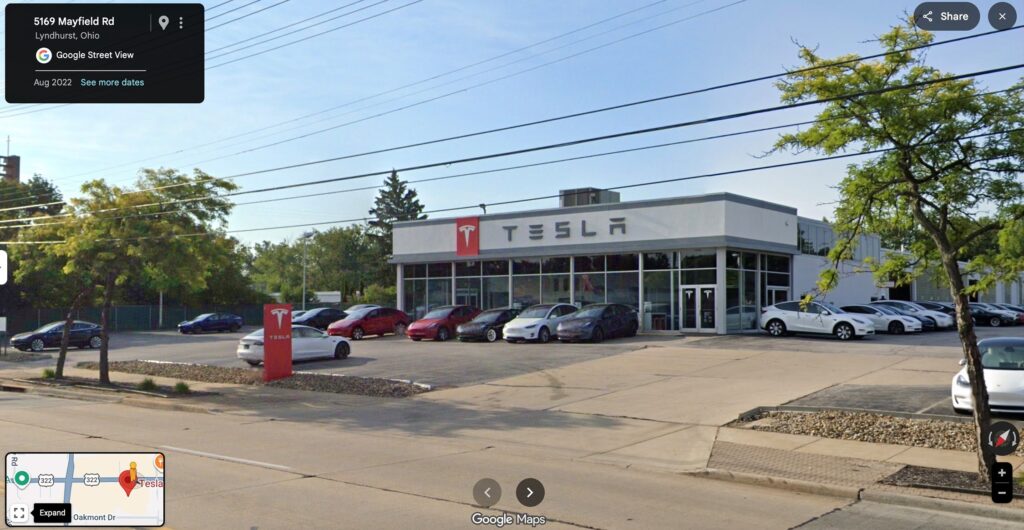
In the city of Lyndhurst, Ohio, weekly protests near a Tesla dealership have continued, surpassing the 57-week mark. Participants are protesting the political activities of the company’s CEO, Elon Musk. In a show of support, passing drivers often honked their horns, turning the street into a noisy place.
Residents’ Complaints and Authorities’ Response
Due to numerous noise complaints from local residents, the city authorities have established a special “quiet zone” around this area. Police have begun stopping motorists who honk unnecessarily, warning them, although fines are not yet being issued. Mayor Patrick Ward noted that the issue is not with the protests themselves, but that neighbors are “a little disturbed and would appreciate less noise.”
Protesters’ Stance and Legal Collisions
One of the regular participants in the actions, Ron Brubaker, stated that he actively encourages drivers to honk in support. However, according to the authorities, local regulations allow the use of a horn only for safety purposes, not to express solidarity.
I actively encourage people to honk, and I’ve been doing it for over a year.
Lawyers point out potential legal problems. Attorney Brian Bardwell indicates that the city may face challenges if the rules are applied selectively—that is, if horn control is enforced only when it is related to protests.

Search for a Compromise
Protesters attempted to move the actions to another location but encountered the same restrictions, as the city targeted the behavior, not a specific stretch of road. This situation has become a vivid example of how public activism can conflict with residents’ comfort and local legislation, sparking debates about the limits of free speech and the equal application of rules.
The situation in Lyndhurst illustrates the complex balance between the right to free expression and the right to peace and quiet. Banning honking as a form of support could set a precedent for similar protests in the future. At the same time, the residents’ reaction shows how prolonged public actions can impact a community’s daily life, forcing authorities to seek tools to reduce tension. The further development of events may influence approaches to regulating public spaces in other US cities.