


Connecticut state legislators are demanding explanations from Home Depot and Lowe’s regarding their use of automatic license plate reader cameras. The retailers claim these cameras help combat theft, fraud, and enhance in-store safety. Meanwhile, lawmakers want to know who has access to the collected data and whether it is shared with the police.
How Parking Lot Cameras Work
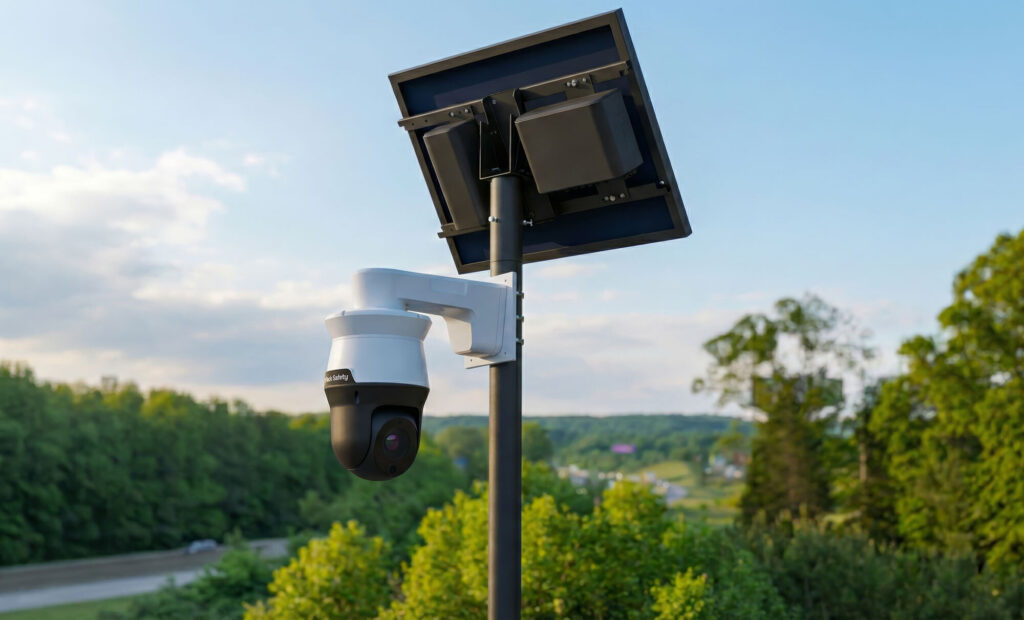
When you pull into a Lowe’s or Home Depot parking lot in the U.S., chances are someone inside has already noted your arrival. Both companies actively use automated license plate readers, including Flock Safety systems. These are the same cameras that have raised public concern over potential surveillance. However, a new aspect has emerged: private companies are not subject to the same restrictions as government agencies, and Connecticut legislators are demanding answers.
Eight Questions for Retailers
Democratic leaders of the Connecticut Senate and House of Representatives have sent letters to the CEOs of both chains, demanding details on the use of ALPR. The concern is not just about the presence of cameras, but how long the information is stored, who has access to it, and whether it reaches law enforcement agencies across the country.
According to local outlet WFSB, lawmakers have posed eight questions to the companies, covering everything from data retention policies to whether police need a warrant to obtain license plate information.
Both retailers claim the technology is used primarily to prevent theft, detect fraud, and ensure general safety. This explanation is unlikely to surprise anyone. Retail theft has become a massive problem for large chains in recent years, and companies are increasingly relying on surveillance technology to identify repeat offenders, organized crime groups, and suspicious activity in parking lots.

Who Gets Access to the Data
One of the most contentious issues involves law enforcement access. According to its website, Lowe’s may provide collected data to the police upon request. Home Depot has a similar policy. Connecticut lawmakers now want to determine whether such requests require court orders and whether agencies from other states can access the databases.
Earlier this year, Connecticut passed a law restricting the sharing of ALPR data between police departments and out-of-state agencies. Under this law, most state departments cannot access Connecticut’s ALPR databases without a warrant, though neighboring Rhode Island, New York, and Massachusetts are exceptions.
Currently, there is no indication of whether Lowe’s or Home Depot will respond to the questions in this matter. Meanwhile, customers often drive into parking lots unaware that their arrivals and departures may be tracked and stored for an unknown duration.
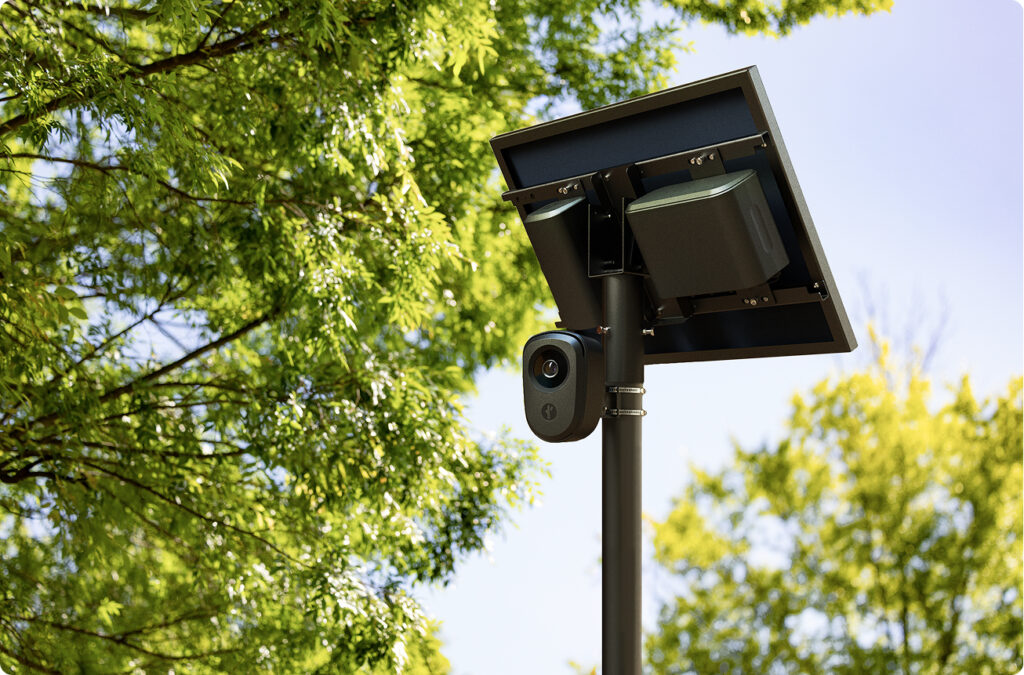

Photo: Flock Safety / Google Maps
This situation highlights the growing tension between business needs for security and citizens’ rights to privacy. While retailers justify the use of cameras as a crime-fighting measure, the lack of clear rules regarding data storage and transmission raises concerns. Connecticut lawmakers likely aim to set a precedent that forces private companies to adhere to the same standards as government agencies, especially when it comes to police access to information without a warrant. If the retailers’ responses fail to satisfy legislators, it could lead to new restrictions or even lawsuits, affecting the use of such technologies nationwide.