


Honda revises strategy: hybrids become top priority
Honda has radically changed its product strategy, focusing on hybrid technologies. This decision is a consequence of the costly cancellation of several ambitious electric vehicle projects. The manufacturer introduced two prototypes, likely precursors to the new Accord sedan and Acura RDX crossover, and announced plans to launch 15 hybrid models by 2029.
Prototypes: a glimpse into the future
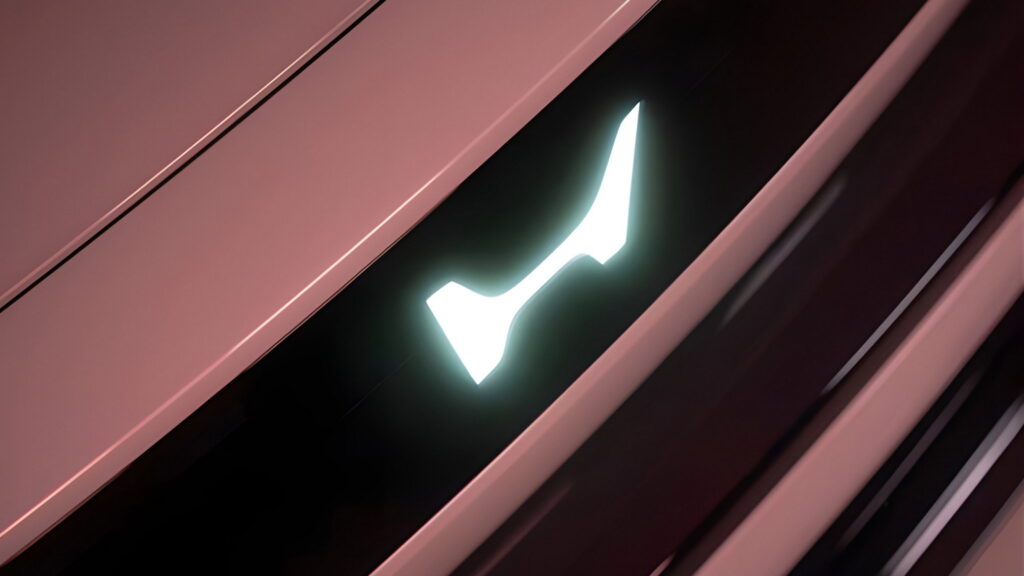
The Honda Hybrid Sedan and Acura Hybrid SUV prototypes will go into mass production within two years. Although the company does not name specific models, the body proportions point to the next-generation Accord (though Civic is not ruled out) and the RDX successor. The sedan features a five-door body with a fastback profile, sharp lines, thin LED lighting, and a minimal amount of black plastic. Its massive front end resembles the Civic development mule that Honda showed last year.
On the other hand, the Acura crossover has a more sculpted body with aggressive air intakes in the front bumper, prominent shoulders, and V-shaped rear lights. Its silhouette matches the official teaser from January 2026, leaving no doubt: this is the successor to the discontinued RDX.
New architecture and technologies
Both vehicles are based on the next-generation hybrid architecture, which will debut in 2027. Honda plans to reduce production costs by 30% and improve fuel efficiency by more than 10% compared to 2023 levels. A new electric all-wheel drive system is part of the package, along with promised sharper driving dynamics. The next-generation ADAS system will arrive in 2028.
Regional plans and markets
North America will become one of the key regions for hybrid adoption. In 2029, the company will introduce large D-segment and above hybrid models tailored to this market’s needs. In Japan, the focus shifts to electrified kei cars, including the upcoming N-Box EV scheduled for 2028. Updated hybrid technologies and ADAS will appear in the refreshed Vezel, and the lineup will expand with Sport Line and Trail Line versions. In India, the emphasis is on compact and mid-sized vehicles, which will arrive in 2028, as well as continued investment in the motorcycle business. In China, Honda plans to use locally standardized components and launch new electrified vehicles on platforms provided by Chinese partners.
Investment in hybrids instead of EVs
Honda is going through a difficult financial period, reporting its first annual net loss since 1957. The loss amounted to 423.9 billion yen ($2.68 billion), largely due to a massive write-down of 1.57 trillion yen ($9.94 billion) following restructuring and the cancellation of EV projects. Despite this, the company is optimistic and plans to achieve a record operating profit of over 1.4 trillion yen ($8.86 billion) by the end of the fiscal year in March 2029.
The investment plan clearly shows where Honda believes the market is heading in the coming decade. Of the 6.2 trillion yen ($39.25 billion) allocated by 2029, 4.4 trillion yen ($27.85 billion) will go to gasoline and hybrid powertrains, and another 1 trillion yen ($6.3 billion) to software. Spending on pure EVs has been reduced to 0.8 trillion yen ($5.06 billion). Further EV decisions will be made after 2030, and Honda has indicated it would prefer to cooperate with partners rather than independently develop the next EV platform.
This strategic pivot by Honda is indicative of the entire automotive industry. The abandonment of expensive and risky projects in favor of proven hybrid technology demonstrates a pragmatic approach amid uncertainty. The company is betting that hybrids will remain in demand for a long time, especially in markets where EV infrastructure is developing slowly. At the same time, significant investments in software indicate that Honda is not ignoring digitalization but is trying to implement it gradually, without sharp leaps. The financial difficulties caused by failed EV projects have forced the company to reassess priorities and focus on what generates profit today, rather than on promises of the future.