


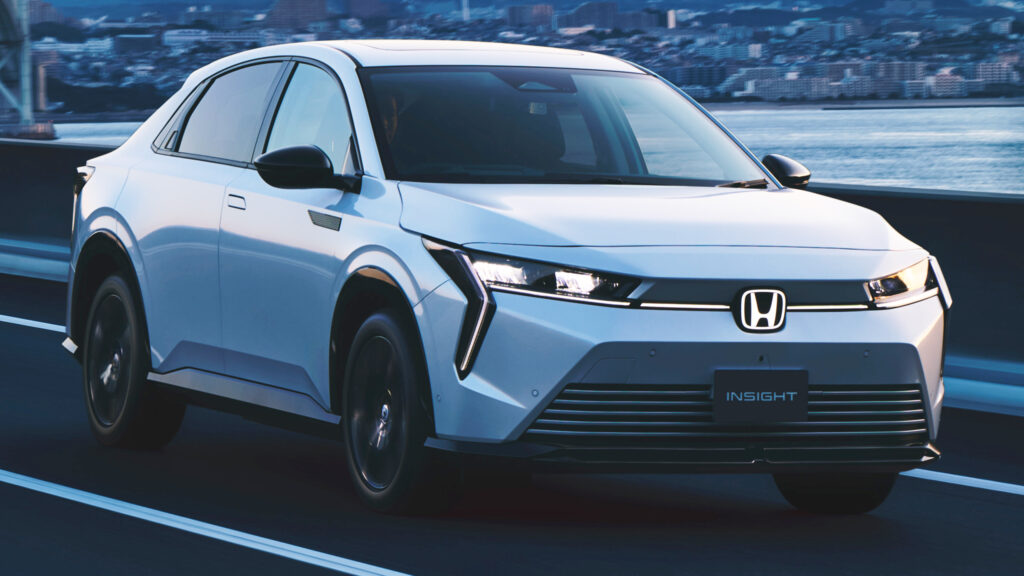
Japanese automaker Honda has confirmed the starting price for the Insight electric sedan in the domestic market. The car, which is essentially a rebadged version of the Chinese e:NS2 model, will cost approximately 5.5 million yen (about $34,500 USD).
Government Support and Limited Sales Plans
A key factor is the Japanese government’s electric vehicle subsidy, which amounts to 1.3 million yen (over $8,000). Thanks to this, the final price for the buyer is reduced to 4.2 million yen (approximately $26,350). Despite this, Honda does not expect high demand. The company plans to sell only 3,000 Insight units nationwide. This decision is explained by the fact that the share of electric vehicles in Japan’s new car market remains below 2%.
We have set a limited sales volume based on the number of target customers and Honda’s share in this market segment.
Technical Specifications and Features
The new Honda Insight is built on the dedicated e:N Architecture F electric platform. The powertrain consists of a 68.8 kWh battery from CATL and a front electric motor with 201 horsepower. The claimed WLTP range is 311 miles (500 km), which is a good figure for a battery of this size.
Design and Interior Equipment
For Japanese buyers, the model will be available in five body colors, including bright shades such as Obsidian Blue Pearl and Aquatopers Metallic II. The interior can be ordered with black or white upholstery.
Key interior elements include:
To enhance comfort in cold weather, the car features heated front and rear seats, a heated steering wheel, and heated front door panels.
The arrival of the Honda Insight in Japan symbolizes the company’s strategic step aimed at gradually filling the electric segment, even in a conservative market. The limited sales plans indicate a realistic assessment of demand, where traditional hybrids remain significantly more popular than fully electric models. The success of this initiative could become an important signal for other manufacturers regarding the potential of electric vehicles in a region where infrastructure and consumer preferences are still taking shape.