


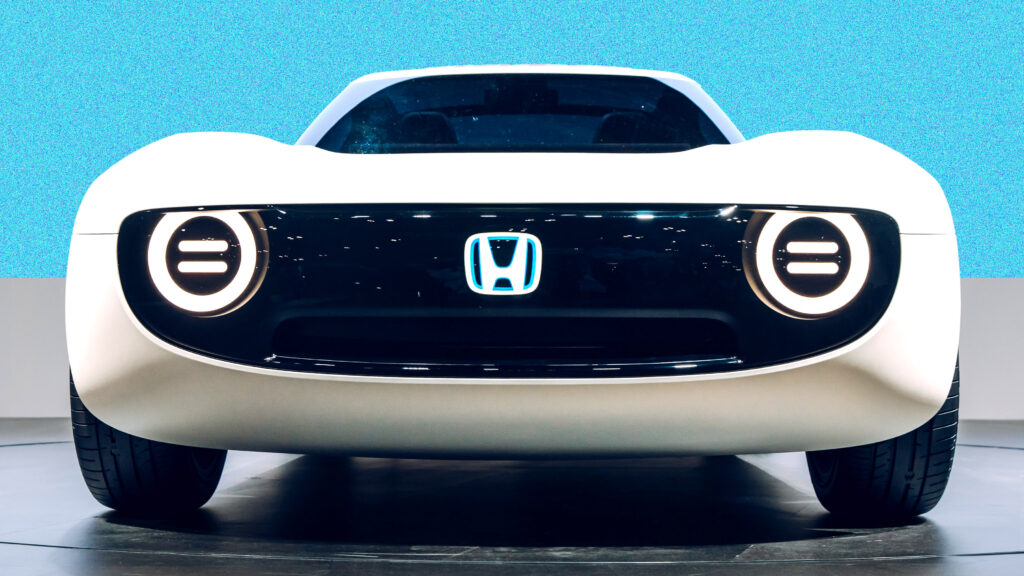
Honda Motor is once again resorting to a time-tested idea, hoping to restore its former innovative power. After recently canceling plans for electric vehicles for the US market, the Japanese automaker is separating its engineers into a semi-independent research and development unit. With this step, the company is effectively canceling a large-scale reorganization carried out just a few years ago.
Returning to Roots for New Breakthroughs
This decision has deep historical roots. The original R&D unit was established by Honda as a separate structure back in 1960. This model gave engineers the freedom to experiment without corporate management interference. It was this approach that helped create revolutionary developments, such as the eco-friendly CVCC engine of the early 1970s, which turned the first-generation Civic into a hit in the US and solidified the Honda automobile division’s position on the world stage.
However, in 2020, this philosophy was abandoned in favor of centralization and efficiency. New model development was centralized to speed up processes and reduce complexity. Now Honda is changing course again, betting that creative freedom outweighs rigid structure.

The Chinese Challenge as the Main Catalyst for Change
The main reason for such radical changes has been China. Local automakers like BYD and Geely are moving at a speed that Honda cannot yet match. If Japanese brands need years to bring a new model to market, Chinese competitors do it almost twice as fast – sometimes in just 18 months, thanks to advanced software and highly automated production lines.
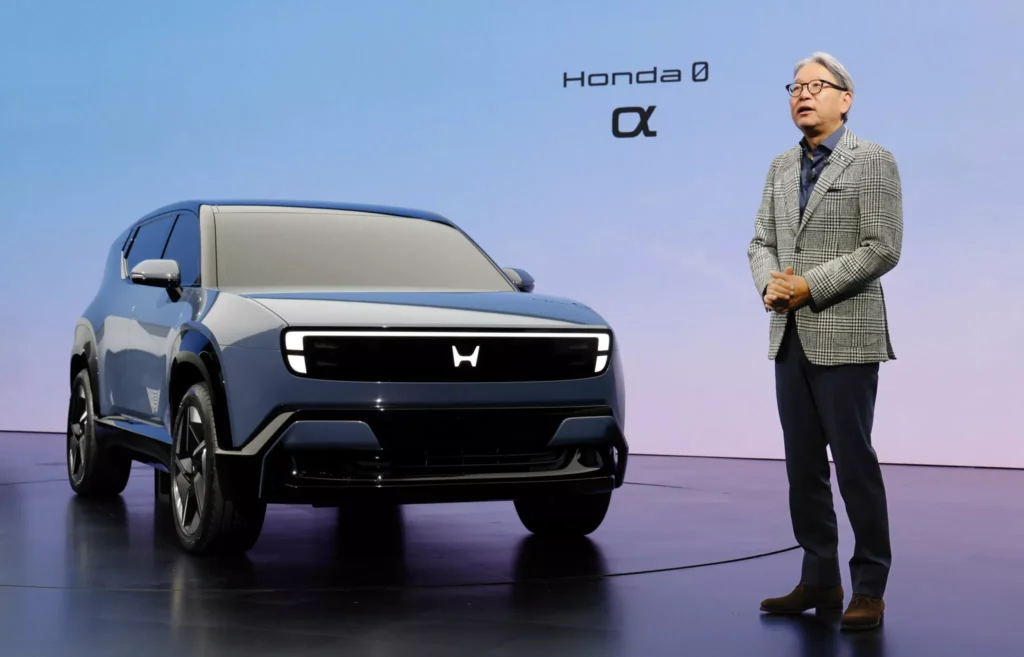
Honda CEO Toshihiro Mibe was frank after visiting a Chinese supplier. He stated that under current conditions, the company “has no chance” of competing against such rivals. This quote clearly conveys the sense of urgency prevailing in the company’s leadership.

Declining Sales and a Shift in Global Strategy
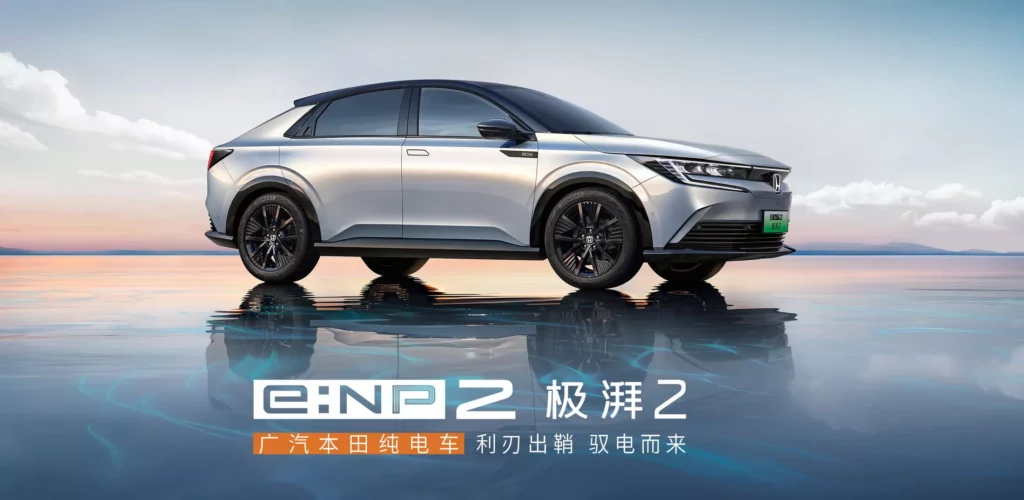
Statistics confirm the seriousness of the situation. Honda’s sales in China have been falling in recent years, and in 2025 they decreased by 24 percent. Production capacity is underutilized, and plans for new models have already been cut. At the same time, competitors are becoming faster, cheaper, and more technologically advanced.
Other Japanese automakers are choosing a different path. Toyota and Nissan have entered partnerships with Chinese companies to learn new approaches and develop affordable electric vehicles. Honda, however, is trying to find an answer to the challenges on its own, by reorganizing internal processes.

India as a New Hub for the Electric Future
This strategic reassessment also has a global dimension. Honda views India as a production hub for a new wave of electric models, including a future global electric vehicle scheduled for launch by the end of this decade. Lower costs and growing expertise may help close the gap with competitors, but can they eliminate it completely? Some industry experts doubt it.
Returning to the organizational model of the 1960s in the 21st century may seem paradoxical, especially in an industry where technology defines the future. However, for Honda, this is an attempt to revive that same culture of engineering creativity and boldness that once made it a world leader. The conditions of the race have fundamentally changed, and now the company is trying to find a balance between the necessary speed of development and the depth of innovation that ensures lasting success. The success of this initiative will determine not only Honda’s position in China but also its role in the next phase of the global automotive transformation.