 by
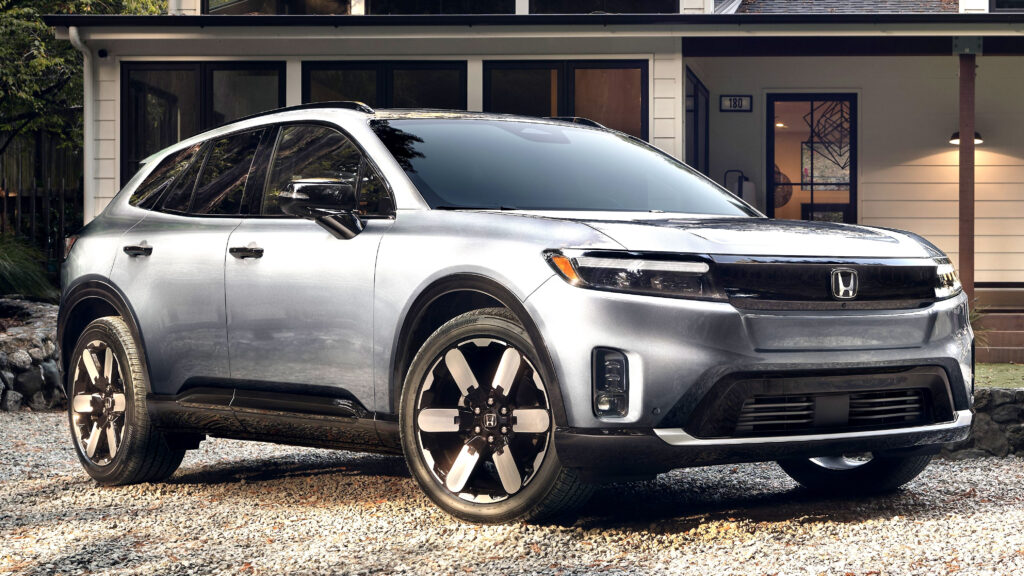
by Honda has announced a significant price reduction for the entire model range of the Prologue electric crossover for the 2026 model year. This move is intended to compensate for the loss of the federal electric vehicle tax credit and make the vehicle more affordable.
Key Details of the Discounts
Reasons and Context for the Decision
The Prologue model has not achieved the commercial success Honda had hoped for. One of the main issues was the high price, and the situation worsened further after the cancellation of the $7,500 federal tax credit during the Trump administration. The price cut aims to rectify the situation and expand the pool of potential buyers.
Updated Model Range and Prices
The model range structure remains unchanged: the Prologue is offered in EX, Touring, and Elite trims, both with single and dual motors. Here is the updated price table:
| Trim | Drivetrain | MSRP | Price with Destination | Range (EPA) |
| EX | Single Motor, Front-Wheel Drive | $39,900 | $41,395 | 308 miles |
| EX | Dual Motor, All-Wheel Drive | $42,000 | $43,495 | 294 miles |
| Touring | Single Motor, Front-Wheel Drive | $44,200 | $46,695 | 308 miles |
| Touring | Dual Motor, All-Wheel Drive | $47,000 | $48,495 | 294 miles |
| Elite | Dual Motor, All-Wheel Drive | $50,400 | $51,895 | 283 miles |
Technical Specifications
Front-wheel-drive models have a power output of 220 hp and torque of 329 Nm. All-wheel-drive versions develop 300 hp and 481 Nm of torque. The additional power of the dual-motor versions reduces the range compared to the single-motor ones.
Future of the Prologue Model
The long-term fate of the Honda Prologue remains uncertain. After the cancellation of the tax credit, sales plummeted, forcing Honda to cut production in half. This has sparked rumors of a possible discontinuation of the model after December of this year without a successor. However, Honda denies this information, stating that reports of the project’s closure are not true.
The pricing decision for the 2026 model year is a clear signal from Honda of its intention to remain in the electric crossover market. The changed conditions have forced the manufacturer to seek new ways to maintain competitiveness. The success of this strategy will depend on whether buyers perceive the updated price offer as sufficient compensation for the lost government support. The further fate of the model will likely be determined by whether these discounts can stabilize demand and restore production capacity to previous levels.