

In Winona, the entire police camera network was stolen
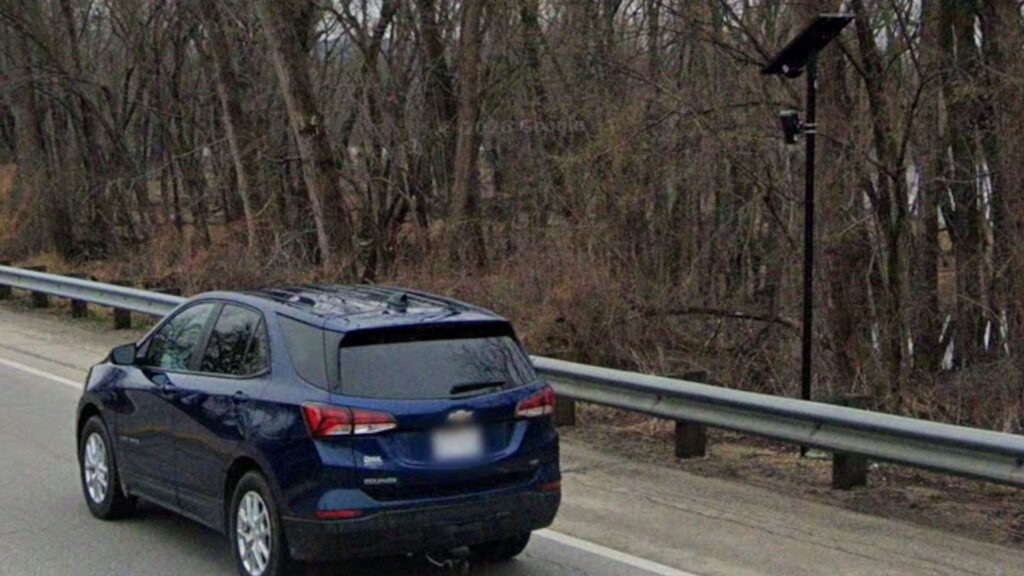

Someone in Winona, Minnesota, recently went on a very specific mission and took with them the entire local network of automated license plate readers owned by the police. The poles were cut at the base and left in nearby weeds, while the cameras themselves were gone. It is, without a doubt, theft. However, the reaction of people watching this story revealed a rather uncomfortable truth for the police: it seems few people regret that the cameras are gone.
According to the Winona Police Department, on August 1 an officer noticed that the Flock cameras had not been recording activity lately. Officers checked four locations with a total of eight cameras and discovered that all of them were missing. The department believes the theft occurred between July 29 and August 1. Replacing each camera and pole will cost about $3,000, so if the city decides to restore the system, it will cost approximately $24,000.
What this system is and why it is controversial
In this case, the equipment belongs to Flock Safety. It is the largest and best-known provider of such systems, but far from the only one. Many cities that terminate their contracts with Flock Safety sign deals with other automated license plate reader brands, including Axon, Motorola, and others. Regardless of the brand, such cameras can track much more than just license plates.
More: Why more and more cities are suddenly dropping Flock Safety cameras
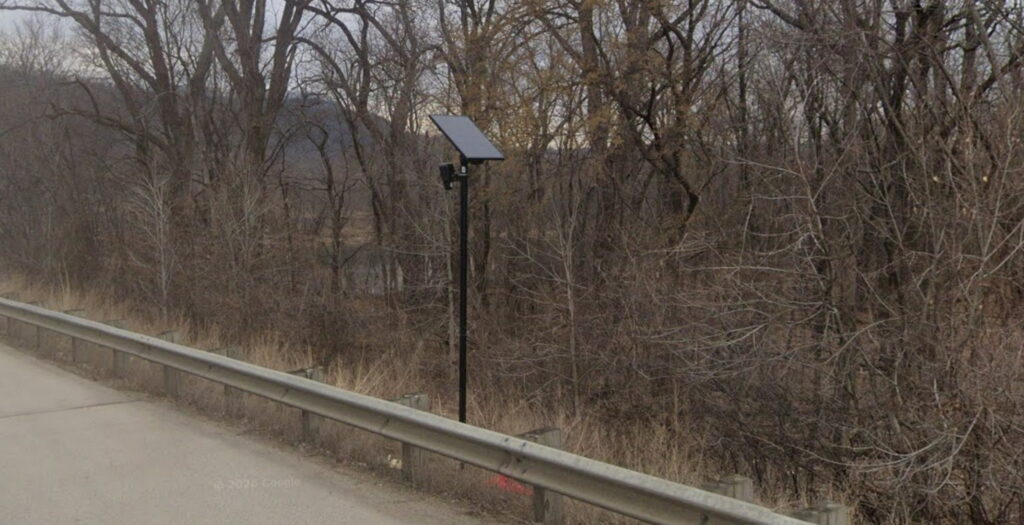

The cameras can record the make, model, and color of a vehicle as well as the time and location, creating a searchable database of vehicle movements. Police say the technology helps investigate car thefts, missing persons cases, and hit-and-run accidents. These are real use cases. The concern is that the same system records the movements of all other people simply driving past the camera.
Local residents’ reaction
This tension was on full display in a Facebook post by the police department. Comments were later restricted there because the discussion went well beyond decency. Among the visible replies were people jokingly claiming they were out fishing at the time and those asking the police which crimes the cameras had actually helped solve. Other commenters noted that the city should simply accept the disappearance of the cameras as a $24,000 lesson and not replace them.
What this says about attitudes toward surveillance
This incident shows that even technologies useful to the police can meet public resistance if people do not feel there is transparency in how their data is used. The fact that the theft of the cameras drew jokes rather than outrage points to growing skepticism about blanket video surveillance. The police can replace the equipment, but restoring the community’s trust will be much harder.