 by
by Hyundai has announced a large-scale development strategy for the North American market, which envisions a significant increase in sales by 2030. The main points of the plan are:
Ambitious Goals and Localization
Despite three consecutive years of record sales and the status of the sixth-largest automaker in America, Hyundai’s management is not satisfied. CEO Jose Munoz announced plans for a radical overhaul of production processes aimed at achieving an incredible 73 percent sales growth.
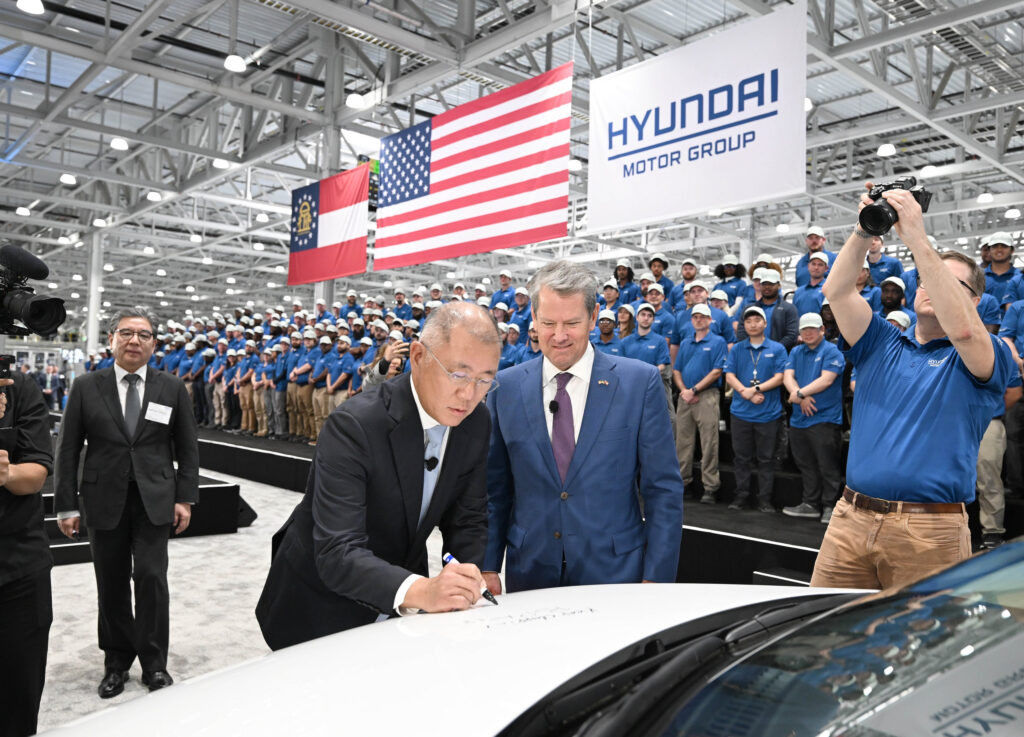
The foundation of this plan is localization. Hyundai aims for 80 percent of cars for the American market to be produced directly in the country, and 80 percent of components to be sourced locally. To this end, the huge Metaplant in Georgia is rapidly ramping up capacity. The second phase of its expansion, starting in 2028, will add 200,000 units of annual capacity and allow for the production of up to 10 hybrid and electric models. Additional production capacity will also be added at the Alabama plant.
New Products for a New Market
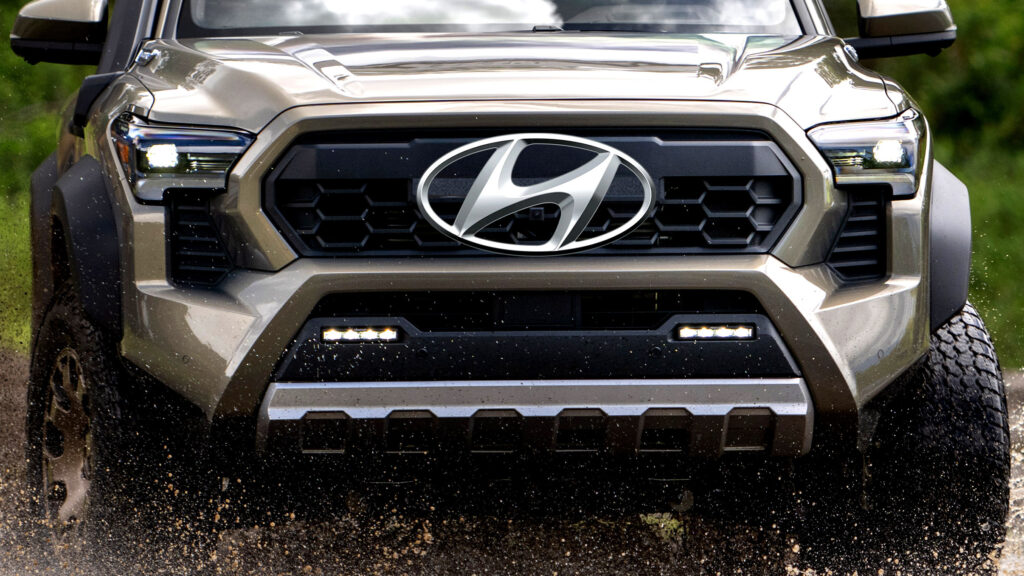
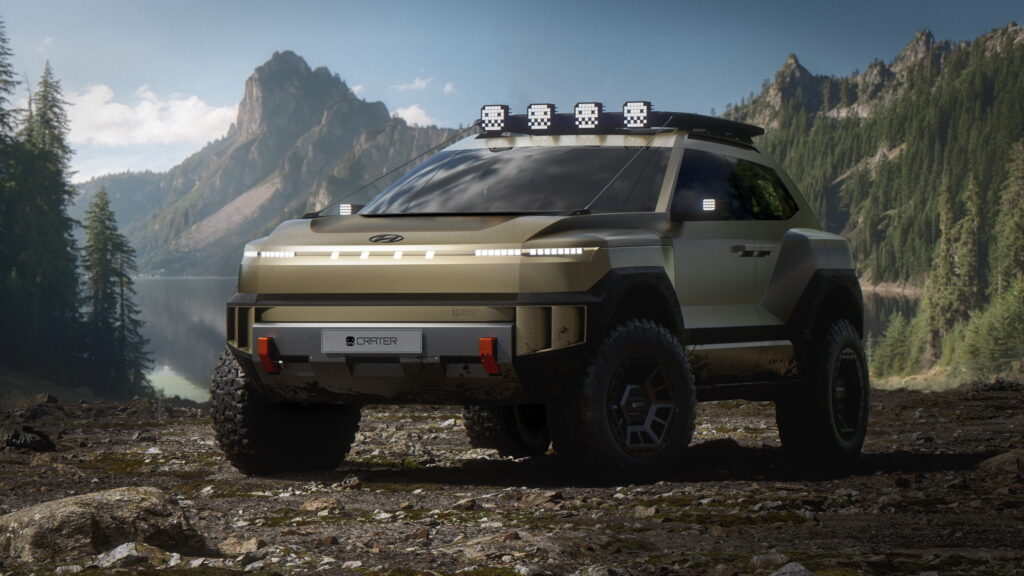
The second pillar of the strategy is new products. As Munoz noted, the company does not intend to limit itself. By 2030, the market is expected to see the launch of a full-size body-on-frame pickup truck, which will become a competitor to the Toyota Tacoma. The possibility of creating an SUV on the same platform, an analogue of the popular Toyota 4Runner, is also being considered.
The company also intends to seriously establish itself in the commercial vehicle market—from electric vans to medium-duty trucks. The luxury sub-brand Genesis will also receive new models, including sports versions and vehicles in new segments, allowing it to operate in higher-margin markets.
Strength in Partnership
The third key element is strategic partnerships. Collaboration with General Motors, according to Hyundai, provides an opportunity to scale up faster. Five joint models are under development, including electric vans for North America and compact and midsize models for Central and South American markets.
Furthermore, Hyundai is actively working with technology companies, such as Amazon Autos for digital sales development and Waymo for future autonomous systems.
Aggressive Electric Vehicle Strategy
Hyundai’s electric strategy is no less aggressive. By 2030, the company plans to offer over 18 hybrid models, a new EV platform with an extended range of over 600 miles, and next-generation batteries.
Our extended-range electric vehicle platform will debut in 2027 and cover over 600 miles. Unlike conventional models, we use our own high-performance batteries, achieving full EV power with less than half the battery capacity
By 2027, our next-generation batteries will deliver a 30 percent cost reduction, a 15 percent increase in energy density, and a 15 percent reduction in charging time—this will be a game-changer for EV adoption
Munoz emphasized that the company does not intend to choose between hybrids and EVs but will offer the full spectrum of technologies—from fuel cells to plug-in hybrids.
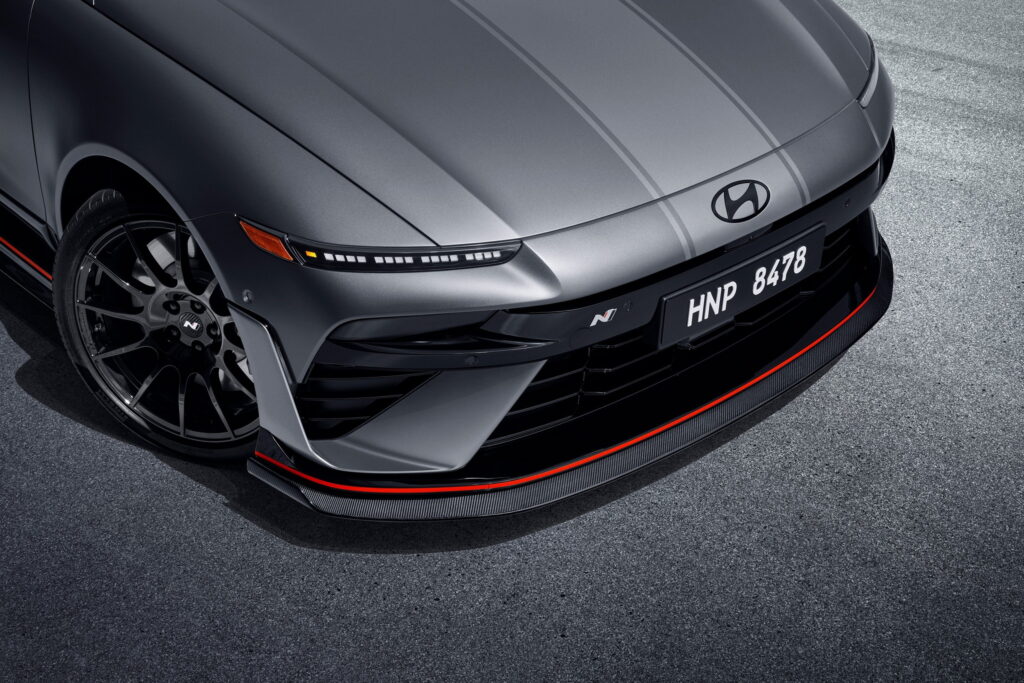
Expansion of the N Performance Line
The brand also plans to expand its enthusiast offering through the N performance line. Information recently emerged about the possible revival of the i30 N model with a hybrid powertrain.
By 2030, we plan to sell over 100,000 N performance models worldwide, and there will be more than seven of them. The business case is compelling, as they provide a significant brand premium compared to base models, as well as additional profit from accessories and parts. Can N reach 200,000 units? Absolutely, if we execute the plan well
Further Development of Genesis
The luxury sub-brand Genesis also plays an important role in the long-term plan. According to Munoz, it can deliver more than just presence in dealerships.
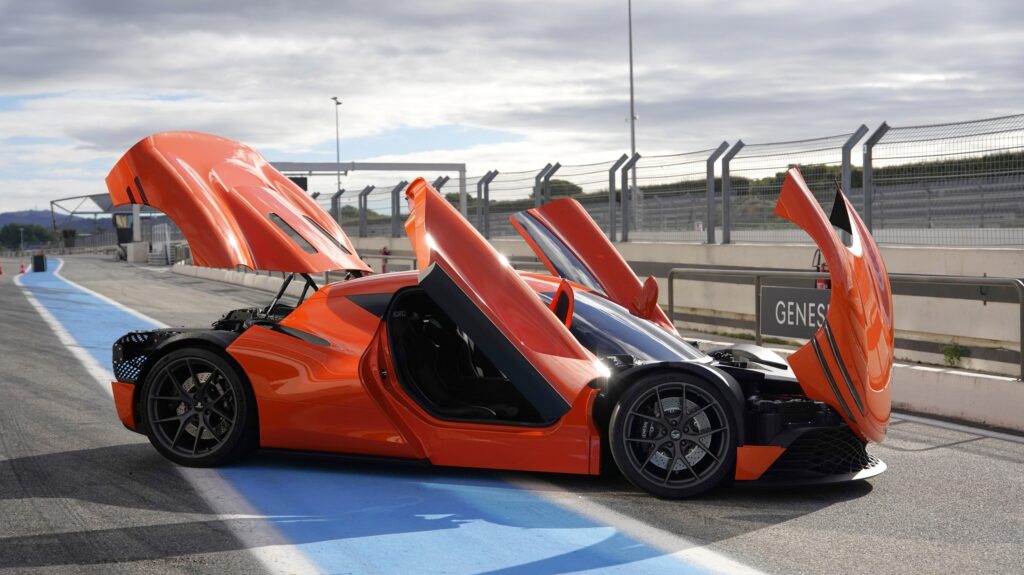
Genesis has exceeded our boldest expectations: 1 million sales in less than eight years, faster than any luxury competitor in history, with double the margin in more than 20 markets. We are delving deeper into high-margin segments through our One of One bespoke program, flagship models such as the concepts we’ve shown, and Genesis Magma. We need to complete the diversification of powertrains—EREV, hybrid, and BEV—across the entire lineup. Production in the USA will begin soon, helping us compete more effectively. By 2030, we plan to reach a level of 350,000 sales per year, compared to approximately 225,000 this year
This is a bold plan, but looking at how far the brand has come in the last 10 years, it’s hard not to believe in its success. If Hyundai achieves all its goals, its American business will become a true powerhouse for the entire corporation.
The announced plans clearly demonstrate Hyundai’s vision as a global player that no longer wants to be an alternative but aims to set the tone in key markets. The emphasis on production localization is not only an economic strategy but also a political move that could improve the brand’s perception in North America. The planned entry into segments traditionally occupied by American and Japanese manufacturers, such as full-size pickups, indicates confidence in its own capabilities. The success of this strategy will depend not only on technical innovations but also on the company’s ability to timely respond to market conditions and consumer needs, which have become particularly volatile in recent years.