 by
by The Hyundai Staria minivan, despite its futuristic appearance, is already approaching its fifth anniversary since its launch in April 2021. To remain competitive in the market, Hyundai has introduced an update that concerns not only the exterior.
Exterior Changes
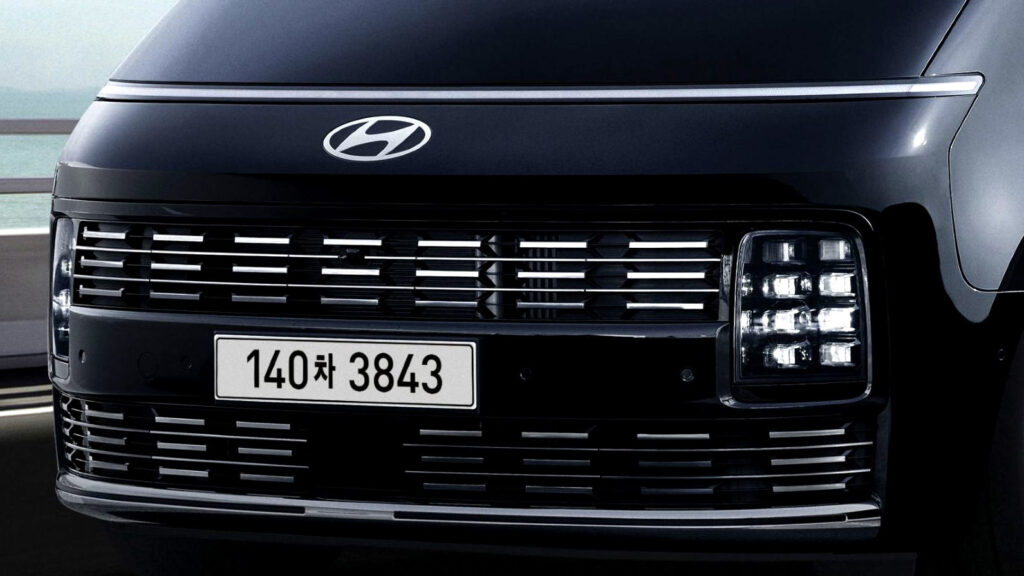
At first glance, the Staria’s exterior has remained almost unchanged. Upon detailed comparison, one can notice a full-width LED light bar at the front with Staria logos on the sides, better-integrated lower headlights, and a different radiator grille pattern.
The Lounge version received an updated radiator grille with chrome accents, which is now visually separated from the lower bumper section. A new body color, Classy Blue Pearl, has also appeared, and Galaxy Maroon Pearl has been added for the Lounge trim.
Hyundai hasn’t confirmed anything about the upcoming Staria Electric here, though prototypes have been spied testing with a unique front bumper.
Updated Interior and Technology
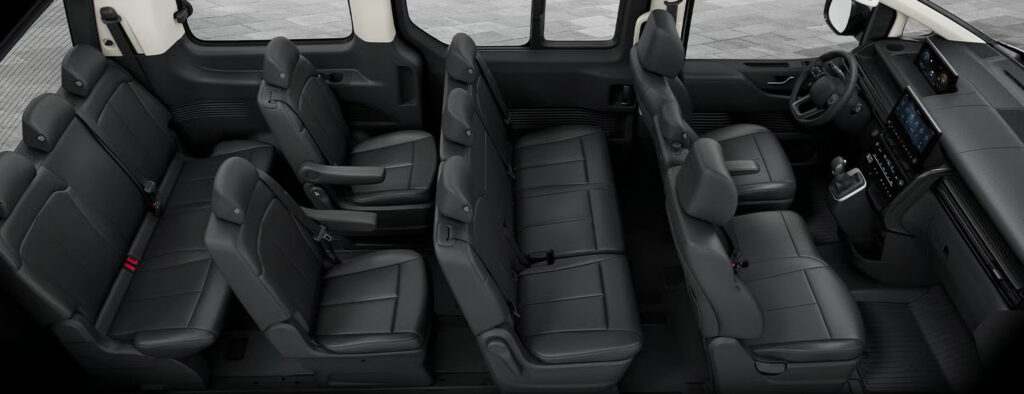
The overall interior layout has not changed, but key elements have been updated. The digital instrument cluster and the central infotainment screen have increased from 10.25 to 12.3 inches and now run on the latest version of Hyundai’s software with support for over-the-air updates.
The dashboard has been redesigned: new air vents and a storage compartment have appeared. The center console has also been redesigned — physical controls have replaced touch-sensitive buttons, improving ease of use.
Among other changes are a more modern steering wheel, a new column for the electronic gear selector in the Lounge version, and an additional grab handle near the driver’s seat for convenience. New upholstery color options have also been added, and more driver assistance system functions are now included as standard.
As before, the Staria is offered in a wide range of seating configurations — from utilitarian two-seat options to spacious accommodation for eleven passengers in four rows.
Improved Chassis and Engines
Hyundai engineers have also worked on comfort. The minivan has received an updated suspension and subframe bushings. The Lounge trim uses hydraulic bushings, and cabin noise insulation has been improved across all versions.
The powertrains remain the same. The base 3.5-liter gasoline V6 produces 237 hp and can run on liquefied petroleum gas. The hybrid version combines a turbocharged 1.6-liter engine with an electric motor, delivering a combined 242 hp. The fully electric version, the Staria Electric, is under development.
The updated 2026 model year Hyundai Staria is already available for order in South Korea. Prices start from 32.59 million won (approximately $22,000) and go up to 48.76 million won (about $33,000) for top trims. The model is expected to become available in other markets later.
This update shows that Hyundai is betting not on radical changes, but on systematic refinement of the existing model. The emphasis on comfort, ergonomics, and modern technology aligns with the core needs of minivan buyers, for whom spacious functionality and a pleasant cabin atmosphere are important. Retaining the previous engines can be seen as a logical step, as they have already proven their reliability, and the anticipation of a fully electric version only increases interest in the model in the long term.