


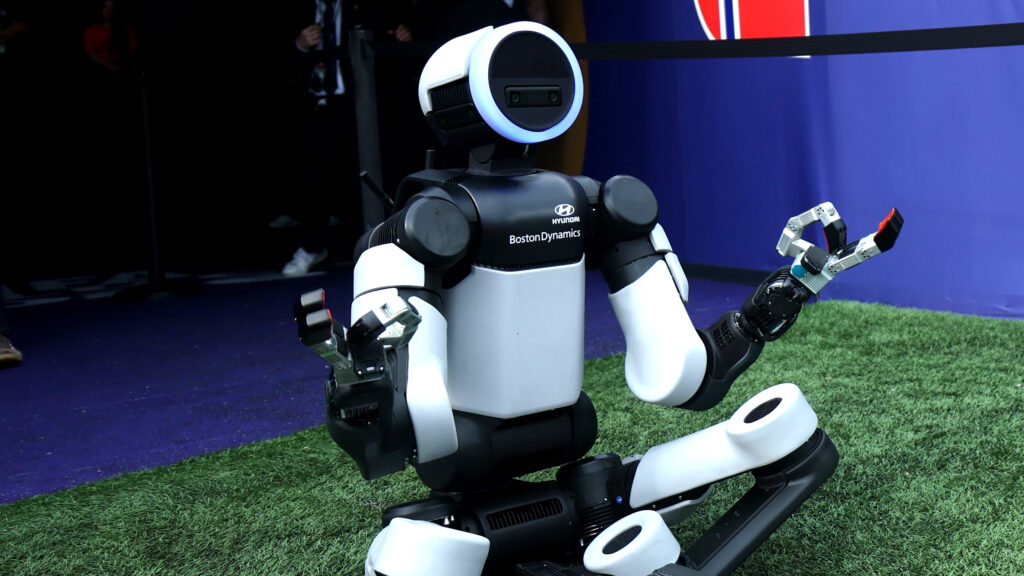
Hyundai Motor Group has completed the full acquisition of Boston Dynamics, buying out the remaining stake from SoftBank Group. This decision was made amidst a strike by workers in South Korea who protested against the automation of production. The company plans a large-scale deployment of humanoid Atlas robots at its plants, notably in the United States.
Full Ownership and Strategic Plans
Hyundai Motor Group made its first major foray into humanoid robotics in 2021 by acquiring 80% of Boston Dynamics’ shares. The company subsequently gradually increased its stake, and on Thursday officially announced the buyout of the remaining approximately 10% of shares from SoftBank. According to Hyundai, full ownership provides greater freedom for long-term investments, business strategy development, and a potential initial public offering (IPO).
The financial terms of the deal have not been disclosed, but according to Reuters, South Korean media estimate the transaction at approximately 500 billion won, which is around 335 million US dollars.
Large-Scale Deployment of Atlas
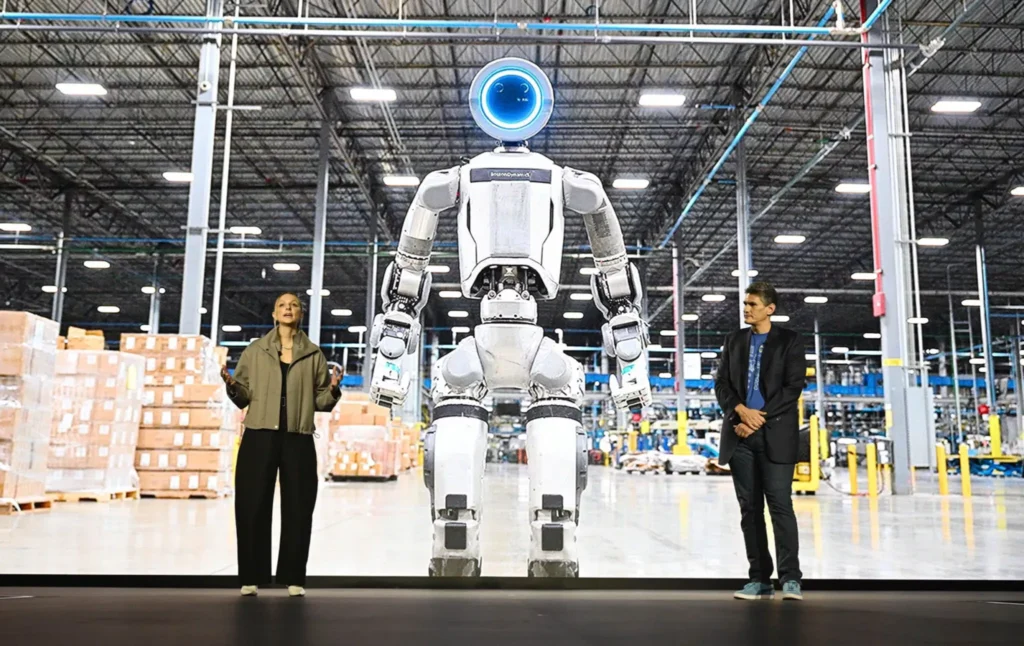
Hyundai has ambitious plans for Boston Dynamics’ humanoid robot, Atlas. The company aims to deploy over 25,000 of these robots at Hyundai and Kia manufacturing sites. The first implementation is expected to begin at Hyundai’s Metaplant in Georgia in 2028, followed by the Kia plant in the same state in 2029. Furthermore, the group plans to produce up to 30,000 units of Atlas annually by 2028. Initially, Atlas will perform part-sorting tasks at the Georgia plant, and by 2030, its duties could expand to include component assembly.
Technical Specifications and Capabilities
Atlas is a high-tech robot that utilizes proprioception — an internal sense of the body, similar to how the human body reacts and compensates for loads. According to specifications published by The Wall Street Journal, Atlas stands 190 cm tall, weighs 198 pounds (approximately 90 kg), and can lift loads of up to 110 pounds (approximately 50 kg) briefly or hold 66 pounds (approximately 30 kg) steadily. The current battery life is four hours, but this figure is likely to increase as the technology develops.

Reaction from Workers and Unions
Unions, particularly in South Korea, could be a major obstacle to the widespread adoption of Atlas. This week, workers at Hyundai’s plants in Korea conducted a partial strike, as union leaders try to protect their members. When Hyundai and Boston Dynamics introduced Atlas earlier this year, the union stated that the robot would not perform any functions without the consent of current employees.
During negotiations, the union seeks to move from hourly wages to fixed salaries for production workers, so they can earn a living wage even if automation reduces their working hours.

Cost and Competition
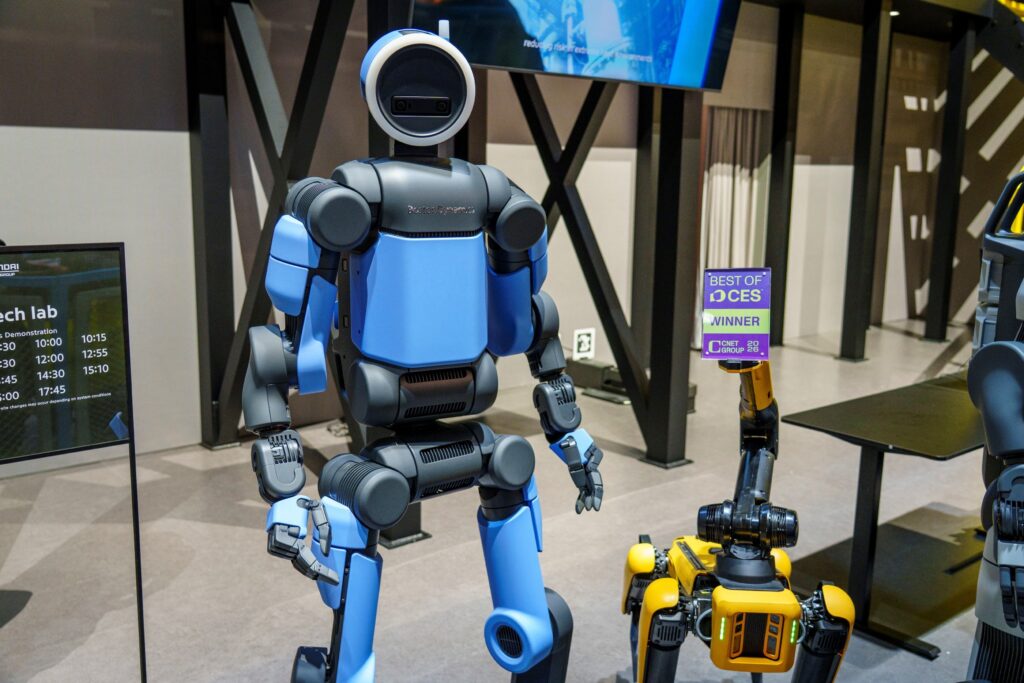
Each Atlas robot costs about 130,000 US dollars, according to a South Korean state research institute. Estimates suggest that labor cost savings would allow the cost of each robot to be recouped in about two years.
Hyundai is not the only company actively deploying humanoid robots with artificial intelligence. Tesla is preparing its Optimus for production, BMW is testing robots in Germany and at its plant in South Carolina, and Xiaomi has begun testing humanoids at its electric vehicle plants. Schaeffler is already using four-fingered machines in South Carolina, while Mitsubishi plans to use robots for engine assembly. GM, meanwhile, added cobots in Detroit, cutting about 1,000 jobs. The technology is still relatively new on manufacturing floors, but the direction of travel is already clear.
The full acquisition of Boston Dynamics opens new horizons for Hyundai to integrate robotics into manufacturing processes. However, as the strike in Korea shows, the social aspect of automation remains critically important. The company will have to find a balance between increasing efficiency and preserving jobs, which is likely to become a key challenge for the entire automotive industry in the coming years. The cost of the robots, though significant, is quickly recouped, making their implementation economically viable, but the social cost of such changes could be high.