


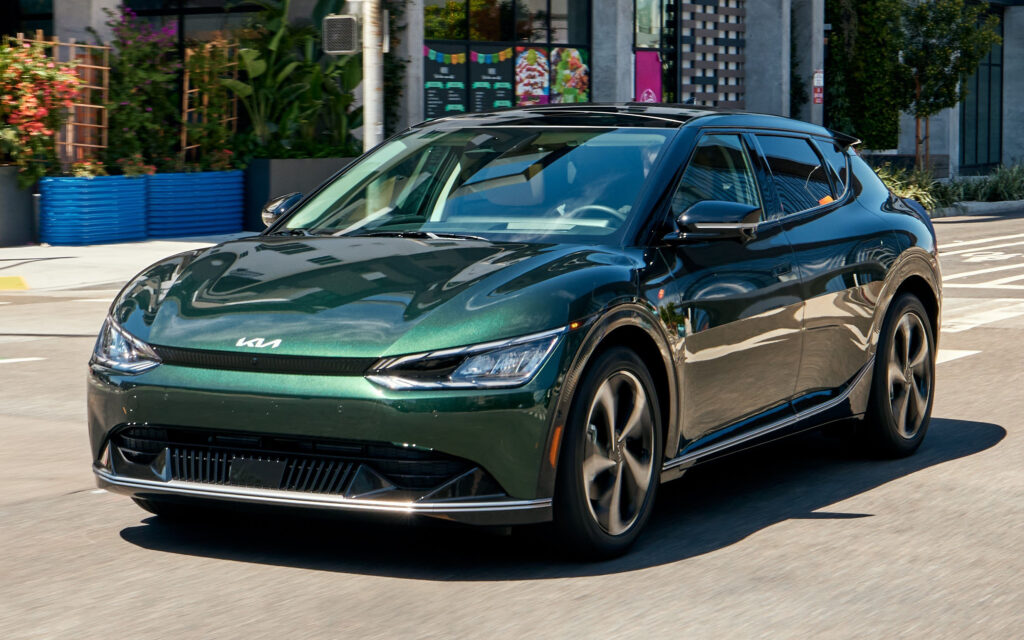
Fires in electric vehicles: Hyundai and Kia recall 14 cars due to battery defect
Battery fires are one of the worst problems that can happen to an ordinary driver. Kia and Hyundai have just announced a new recall related to this very danger. Both manufacturers claim that misaligned electrodes can cause an internal short circuit and fire in affected vehicles. The campaigns cover only 14 vehicles, but each owner must park outside until the issue is resolved.
Hyundai recall details
Hyundai reports that six 2023 and 2024 Ioniq 5 models may have high-voltage battery cells with such misaligned electrodes. The automaker warns that the defect can cause a fire, regardless of whether the car is parked or moving.
Kia problem and its solution
Kia’s recall points to the same root cause. According to documents submitted to the NHTSA, supplier SK On Co. blames a quality deviation for the issue. The automaker states that the problem affects seven 2022-2024 EV6 vehicles and one 2024 EV9 SUV.
More: Fuel leak caused recall of nearly quarter million Kia and Genesis vehicles
Repair procedure and recommendations
Hyundai has not yet detailed its repair procedure. Standard NHTSA documentation is currently unavailable, but Kia will replace the entire high-voltage battery pack with a new one with properly aligned cells. Hyundai is expected to do the same, as the problem is identical and comes from the same supplier.
Until the work is completed, the automaker instructs owners to limit charging to 80 percent and park their cars outside, away from buildings, as a precautionary measure. Although not explicitly stated in the recall, it probably would not hurt to park away from other vehicles, even outside and away from structures.
As with the recall of nearly half a million Tellurides we reported earlier, dealer notification letters were sent on July 6. Owner notifications will be sent on August 7.
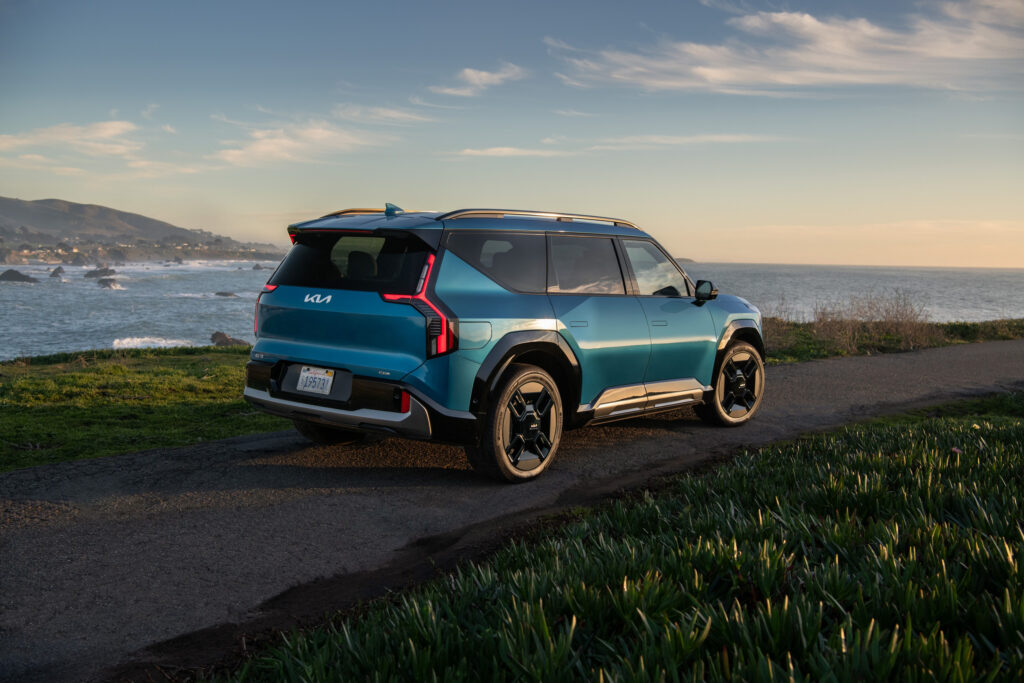

Although the number of recalled vehicles is small, this incident underscores the critical importance of quality control in the production of electric vehicle batteries. Even small defects, such as electrode misalignment, can have serious consequences. The decision by both manufacturers to replace entire battery packs rather than attempt repairs indicates the severity of the problem and a commitment to safety. It also serves as a reminder that electric vehicle technology is still developing, and manufacturers must be ready to respond quickly to potential risks, even if they affect a very limited number of vehicles. The recommendation to charge the battery only to 80% is a temporary but reasonable precaution that reduces stress on the battery and minimizes the risk of fire until the problem is finally resolved.