


The Aftermath of the “Kia Challenge”
The consequences of the so-called “Kia Challenge” – a wave of car thefts, the method of which spread via TikTok and other social networks – continue. A coalition of 36 state attorneys general from different parties announced a settlement with Hyundai and Kia regarding the sale of cars with a low level of protection. This made millions of models easy to steal, forcing authorities and owners to deal with the aftermath.
However, the terms of the settlement are quite lenient and seem to benefit the states more than the car owners themselves. This becomes immediately apparent: Hyundai and Kia will pay dozens of states and the District of Columbia $4.5 million to “cover investigation costs.”
Hyundai And Kia Offer New Ignition Cylinder Protector To Help Prevent Thefts
Compensation for Owners
Hyundai and Kia owners, on the other hand, will receive only up to $4.5 million in restitution. These funds will be limited to “potential consumers whose cars were damaged by thieves.” This is a paltry sum, especially considering that the California Attorney General’s office noted that consumers not only lost their cars or their functionality but also received “significant repair and towing bills.” Even those who were not victims felt a drop in the market value of their cars and likely faced increased insurance rates or even denial of coverage.

A website dedicated to the multistate settlement provides more details: if your car suffered a “qualified theft,” you can receive up to $4,500 if it was a total loss, or up to $2,250 for a partial loss. If thieves made a qualified attempt, you will only receive up to $375.
These amounts seem dismal, as even an unsuccessful theft attempt can easily result in a broken window and a destroyed steering column. It’s unlikely these damages can be fixed for $375.
Enhanced Protection for Millions of Owners
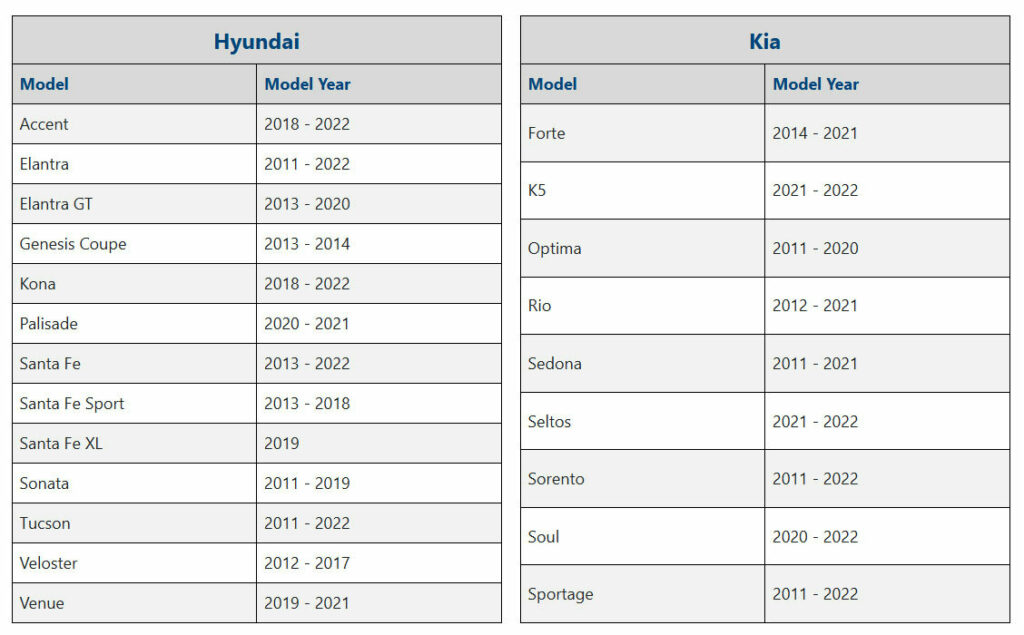
In addition to the modest payments, Hyundai and Kia have agreed to equip all future cars sold in the US with engine immobilizers. The manufacturers will also offer free, zinc-reinforced ignition protective devices to up to 7.1 million owners (approximately 4 million Hyundai and 3 million Kia), including those who previously only qualified for an anti-theft software update.

As Reuters notes, the Minnesota Attorney General said that installing such protective devices could cost the automakers over $500 million. However, this is if they are received by all eligible cars, and the amount is based on estimates from Hyundai and Kia themselves.
While the entire situation has been chaotic, the California Attorney General’s office noted that between 2011 and 2022, “Kia and Hyundai manufactured and sold cars with easily bypassed ignition locks and without anti-theft devices, so-called engine immobilizers, which were a standard feature in almost every other new car produced during that period, including the same Hyundai and Kia models sold in Canada and Europe.”
Sharp Increase in Thefts

This questionable decision made the cars easy to steal, and videos demonstrating this quickly spread online. This had a huge impact: Hyundai and Kia car thefts increased by approximately 85% in Los Angeles in 2022, meaning they accounted for about 20% of all stolen cars in the city.
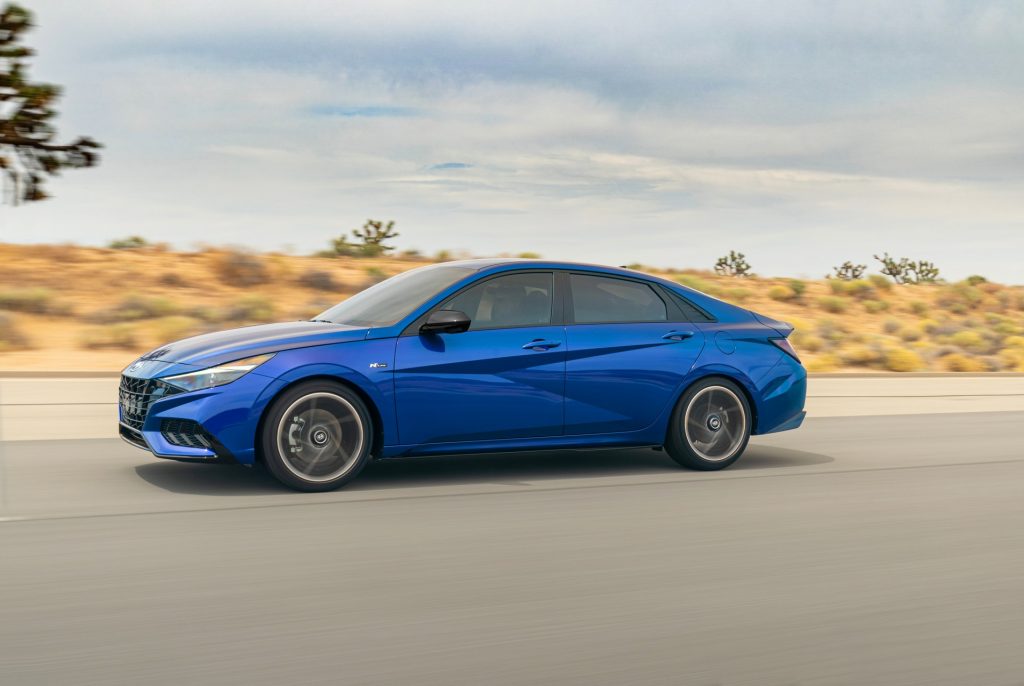
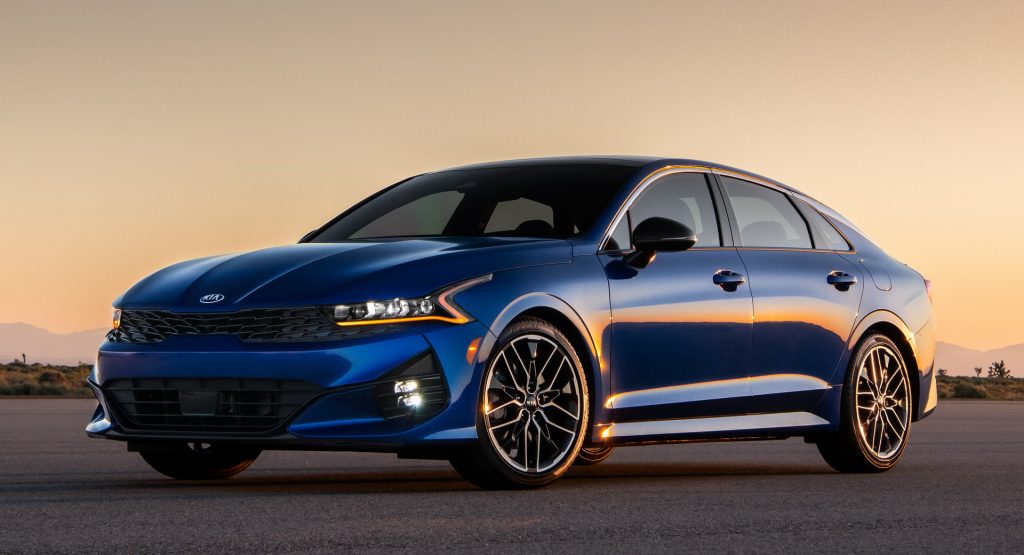
It was also noted there that Hyundai and Kia had the first, second, and fifth most frequently stolen cars in the US last year. These are the Hyundai Elantra, Hyundai Sonata, and Kia Optima.
While car thefts are bad enough, in California they noted that “many stolen cars were used to commit other crimes and were involved in road accidents, sometimes fatal.” This means there were many victims beyond just the car owner.

This settlement, while historic in the scale of state intervention, still leaves many questions regarding the real compensation for damages to thousands of owners. The emphasis on free technical upgrades for future models and millions of already sold cars is an important step forward, but it does not solve the problem of lost funds and the psychological stress of the victims. The situation clearly demonstrates how technological imperfection combined with viral content on social networks can lead to large-scale social and economic consequences, and consumer protection mechanisms often lag behind reality and do not cover the true damages.