


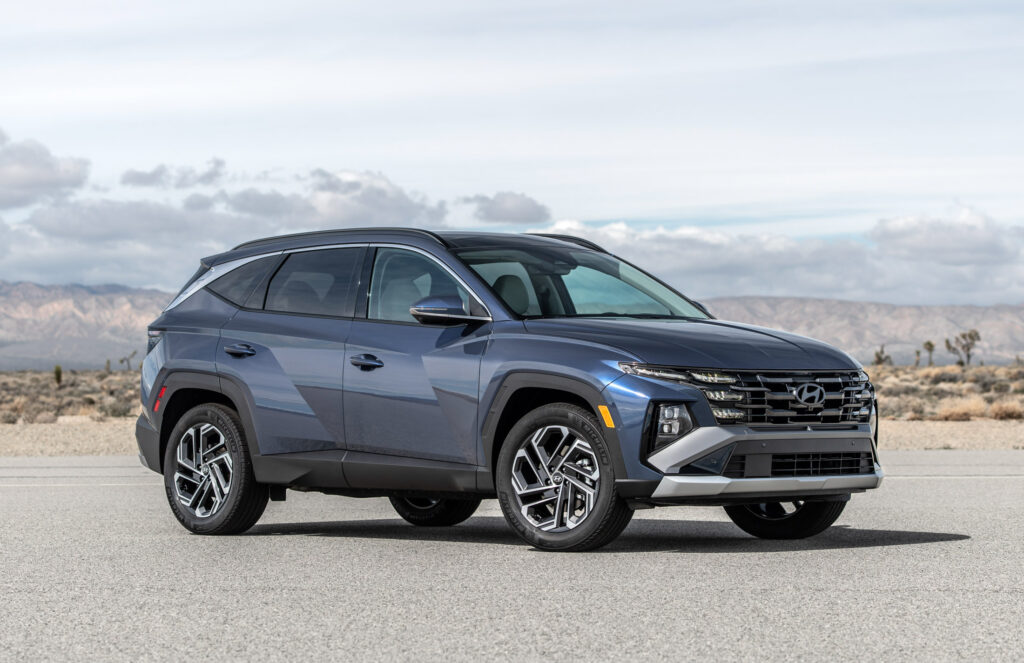
Problem with the digital instrument panel of the Hyundai Tucson
In the era of analog instruments, malfunctions were quite rare. However, the same cannot be said for digital instrument panels, which have become widespread in the automotive industry. A striking example is the massive recall announced for 96,310 Hyundai Tucson vehicles in the United States.
The NHTSA recall notice states that 2025-2026 model year Hyundai Tucson, Tucson Hybrid, and Tucson Plug-In Hybrid vehicles may have a problem with the instrument panel that periodically restarts while driving. This can lead not only to the display image going blank but also to the malfunction of the head-up display.
Thus, the vehicles do not comply with Federal Motor Vehicle Safety Standards because important information, including the speedometer and fuel gauge, will not be displayed. Hyundai explains the problem as a communication error between the instrument panel and the head-up display, caused by a logic error in the software.
Which models are included in the recall?
A total of 96,310 vehicles are included in the recall. Of these, 53,886 units are 2025-2026 Tucson Hybrid models, produced from June 18, 2024, to May 7, 2026. Another 39,605 vehicles are standard 2025-2026 Tucson models, assembled between June 7, 2024, and April 30, 2026. Additionally, the recall covers 2,819 2025-2026 Tucson Plug-In Hybrid vehicles, manufactured from July 9, 2024, to April 14, 2026.
The investigation into the malfunction was initiated in the third quarter of last year following a customer complaint regarding an intermittent instrument panel problem in a Tucson HEV. Fortunately, there have been no reports of accidents or injuries caused by the display going blank.
How to resolve the problem?
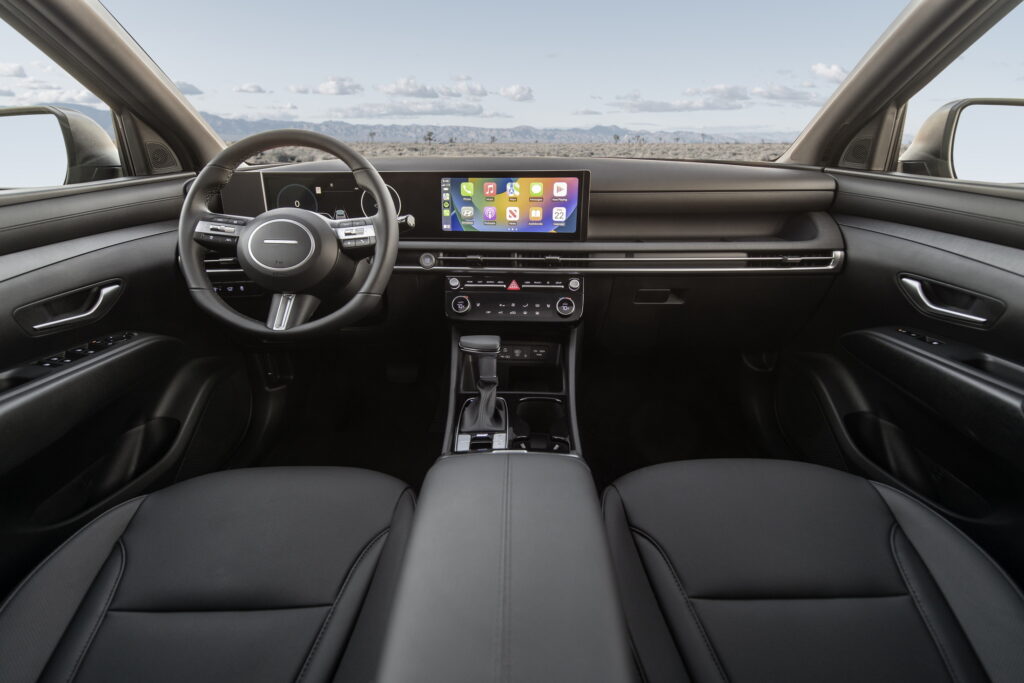

Dealerships and owners will be notified of the recall on August 22. Owners will be able to contact a local dealership to install a software update. Additionally, those subscribed to over-the-air (OTA) updates via the Hyundai Bluelink service will be able to install the new software from home.
This incident highlights the growing complexity of modern vehicles, where software plays a key role in the operation of even basic functions such as the instrument panel. While digital technologies offer more opportunities for customization and integration, they also carry the risk of unexpected failures that can affect safety. Fortunately for Hyundai, the problem is solved relatively simply — through a software update, which is a much less costly and labor-intensive process than replacing physical components, as would have been the case with analog instruments. This also serves as a reminder of the importance of timely installation of updates, especially for those who use connectivity features such as Bluelink.