


Price Pressure in the Electric Vehicle Market
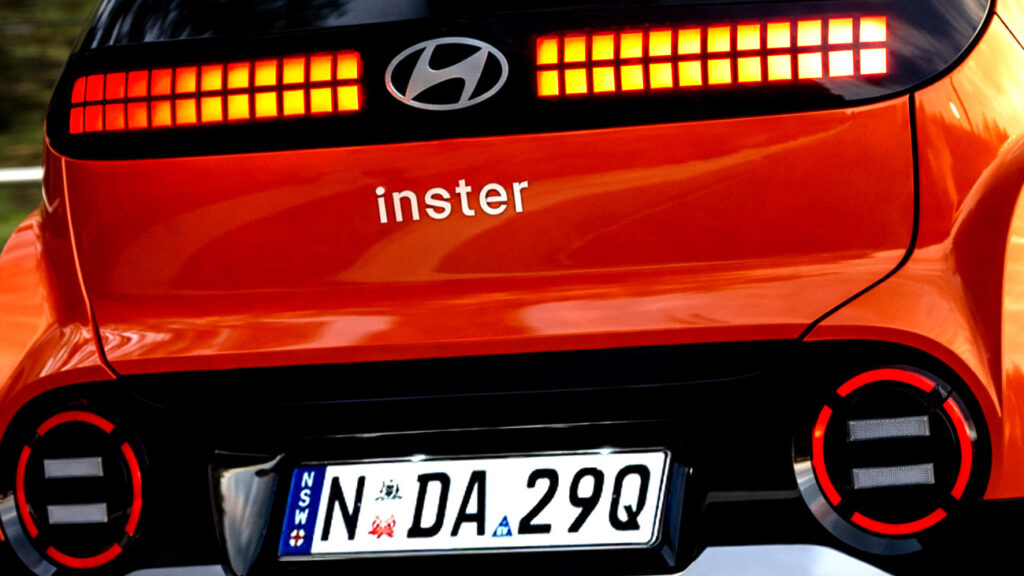
Against the backdrop of an influx of electric vehicles into the increasingly crowded Australian market, competitive pressure is growing. This is particularly felt due to the aggressive pricing of models from China. In response, Hyundai has resorted to significant price cuts on two of its more attractive EV offerings: the compact Inster and the updated Kona Electric.
Hyundai Inster Price Reduction
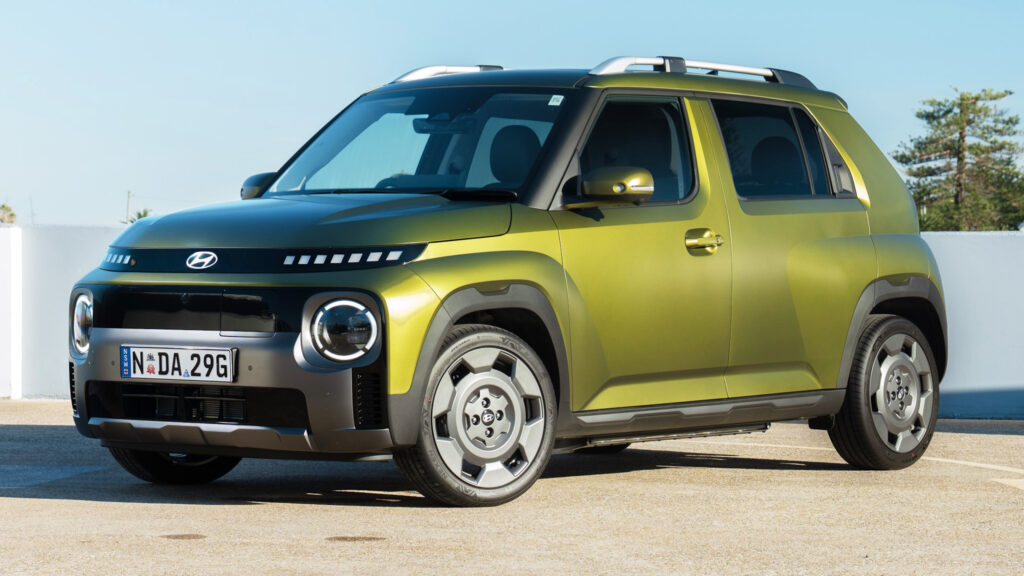
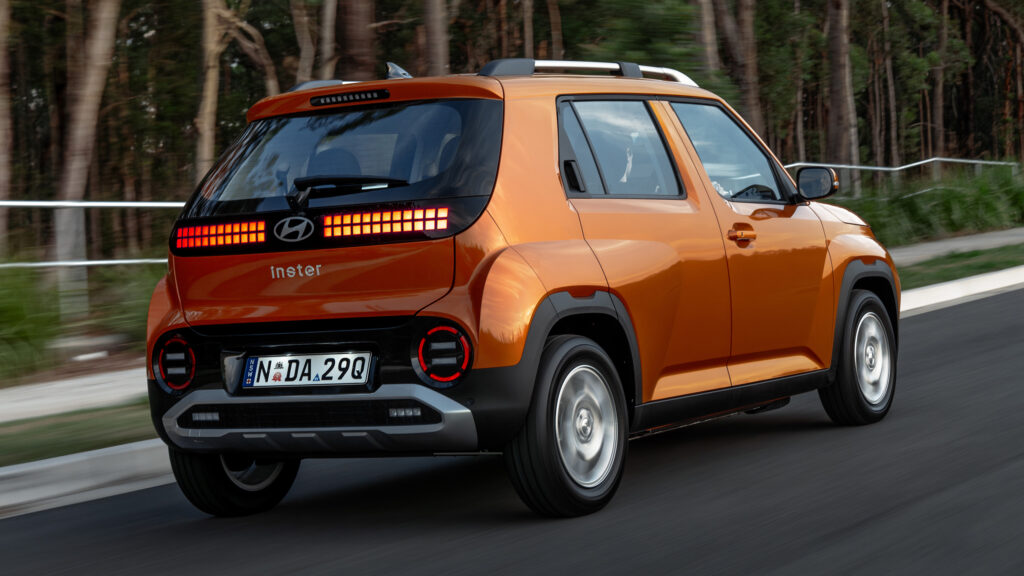
Starting with the compact Inster, which we tested several months ago, the price reduction means buyers can now save over 7,288 Australian dollars. The base Inster Standard Range now starts from 35,990 Australian dollars, and this figure includes all on-road costs. Even after the adjustment, it is still more expensive than the base BYD Atto 1, which in standard configuration starts from 26,500 Australian dollars, or about 30,650 Australian dollars for the Premium version.
The Inster itself offers a lot in terms of practicality. It makes excellent use of space and has a solid set of features for its size.
However, these advantages have not translated into high sales, primarily due to the high initial price. According to data, from June to December of last year, only 467 units were sold in Australia.

Major Changes for the Kona Electric
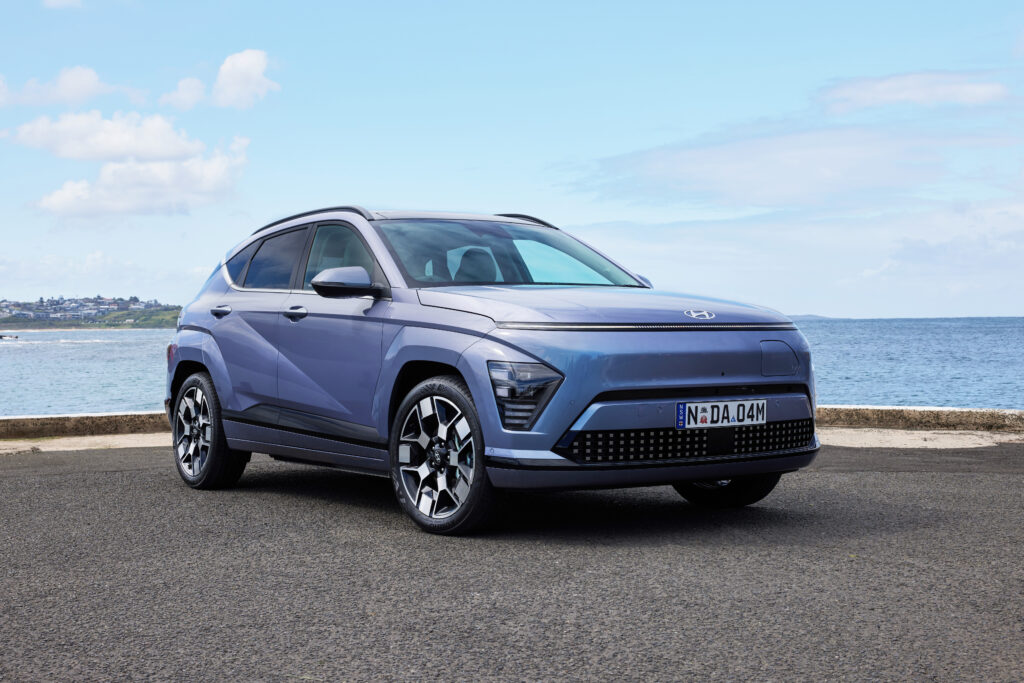
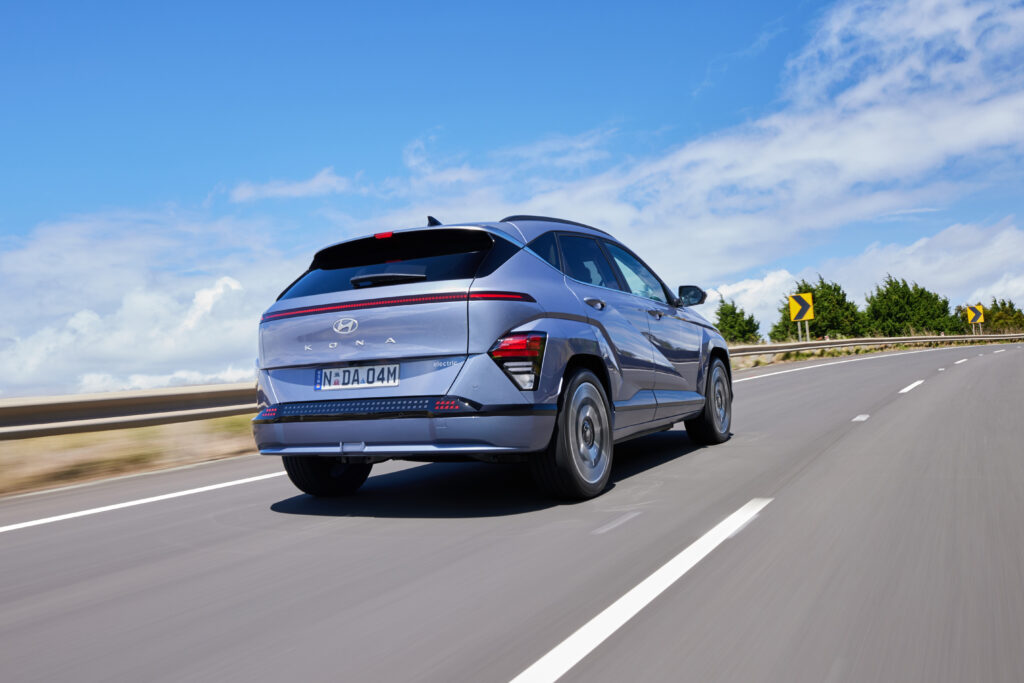
Even more significant price reductions were applied to the Hyundai Kona Electric and Hybrid. The base Kona Electric Standard Range model now costs 45,990 Australian dollars, meaning a price cut of more than 13,000 dollars. The Kona Hybrid also received a noticeable reduction, with prices starting from 39,990 Australian dollars.
These changes have brought the cost of the Kona Electric closer to the Geely EX5, which starts from just over 44,000 Australian dollars. Furthermore, Hyundai lowered the price of the Kona Electric Extended Range by 13,357 dollars to 49,990 dollars, including all on-road charges. The price of the Kona Electric Premium was also reduced by 13,857 dollars, so it now starts from 59,990 Australian dollars.

Strategic Shifts and Future Models
Sales figures reflect the challenges Hyundai has faced. Last year, only 541 Kona Electrics were sold in Australia, representing just 2.4 percent of total Kona sales. This is far from the breakthrough result the brand had hoped for.
Lowering the entry barrier not only helps the Kona Electric stay in the game against newer Chinese models but also frees up space for the upcoming Hyundai Elexio model. Manufactured in China and priced from 59,990 Australian dollars, the Elexio now occupies a middle ground between the Kona Electric and the more premium Ioniq 5. Hyundai positions it as a competitor to the Kia EV5, BYD Sealion 7, and Tesla Model Y, creating a more tiered EV lineup with a clearer progressive structure.
These price adjustments clearly indicate how dynamic the global electric vehicle market has become, where traditional manufacturers are forced to quickly respond to new players. The success of such moves will depend not only on the absolute number on the price tag but also on consumers’ perception of overall value, which includes technology, warranties, and the service network. The future will show whether such strategic reductions can stabilize Hyundai’s position in the region or if this is merely a temporary maneuver in the battle for market share.