


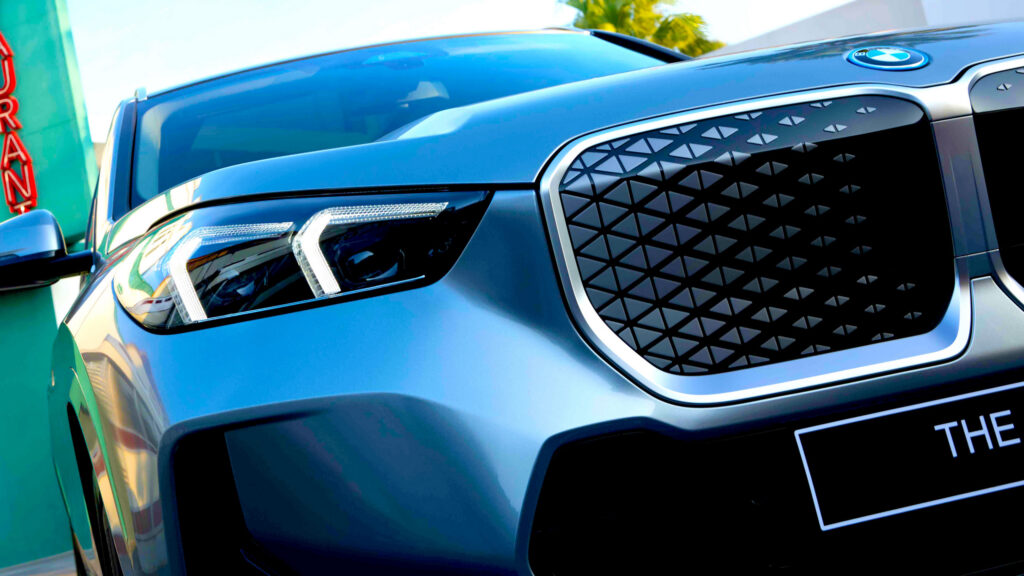
India Lowers Tariffs on European Cars
India has long protected its domestic automotive industry with high tariffs, which is why foreign cars were rarely seen on its roads unless they were produced locally. However, the situation is changing. The country is preparing to significantly lower these tariffs for cars from the European Union – from a prohibitive 110% to 40%.
The final terms of the trade deal between India and the EU will be announced later this week, but current proposals suggest that tariffs on cars with internal combustion engines produced in the EU will drop to 40% for a volume of up to 200,000 units per year. Over time, this figure is expected to decrease even further, eventually reaching 10%.
Protection of Local Manufacturers and Conditions
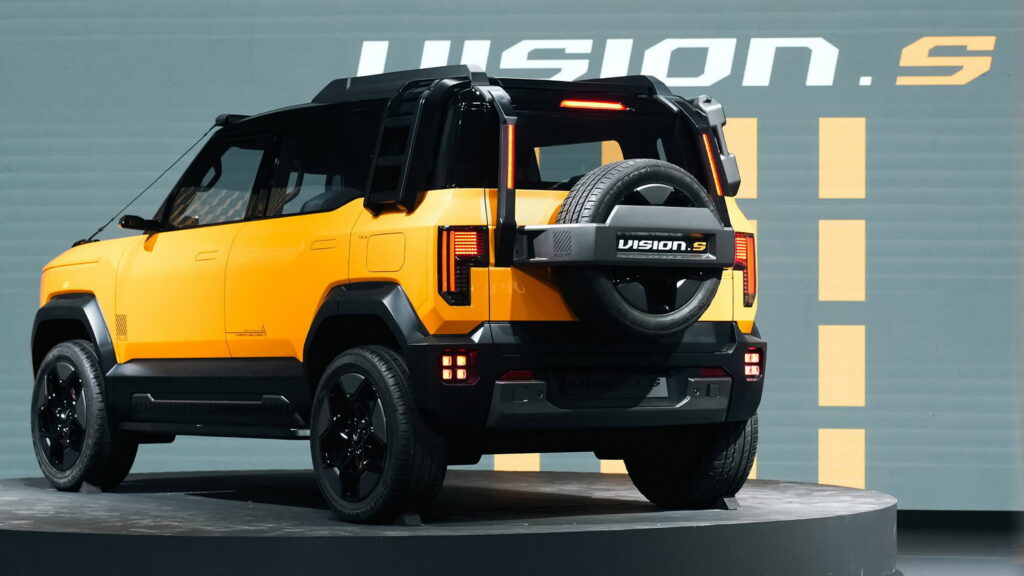
To protect local companies such as Mahindra & Mahindra and Tata Motors, battery electric vehicles will be excluded from tariff reductions for the first five years of the deal’s validity. After this period, European electric cars will also become eligible for reduced tariffs.
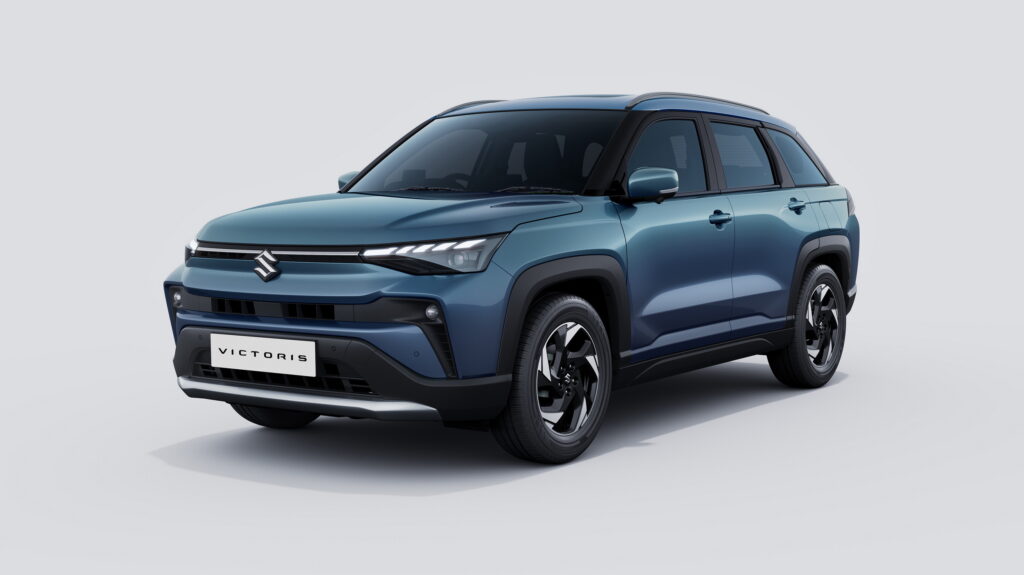
The tariff reduction will apply only to cars priced over €15,000. This threshold is set to limit direct competition with affordable mass-market models from companies like Maruti Suzuki. These models dominate India’s budget segment and are crucial for the stability of the local industry.

Negotiation Status and Market Potential
The deal is still under negotiation, and some details require clarification. Individual provisions may be revised before the final announcement.
India is now the world’s third-largest new car market, trailing only the USA and China. However, European brands currently hold less than 4% of the annual sales share, making India a key target for future expansion. Last year, approximately 4.4 million new cars were sold in the country, and forecasts suggest this number could grow to 6 million by 2030.
Only cars priced over €15,000 (approximately $17,700) will be eligible for the reduction. This threshold is intended to limit direct competition with mass-market offerings from firms like Maruti Suzuki.
Mutual Benefit of the Deal
The trade deal is expected not only to open a clearer path for European automakers to the Indian market but also to facilitate the export of Indian textiles and jewelry. These goods currently face US tariffs of up to 50%, and access to a new market could help alleviate some pressure on Indian exporters.

This decision could become a historic turning point for India’s automotive market, which has traditionally been one of the most protected. The gradual opening of the market to European manufacturers, especially in the premium segment, could accelerate technology exchange and raise safety and environmental standards. Simultaneously, the five-year protection for electric vehicles gives local companies critically important time to develop their own electric vehicle platforms and supply chains to compete in the future. The success of this strategy will depend on how effectively Indian manufacturers can use this period for innovation, not just to survive but to become global-level players in the era of electrification.