


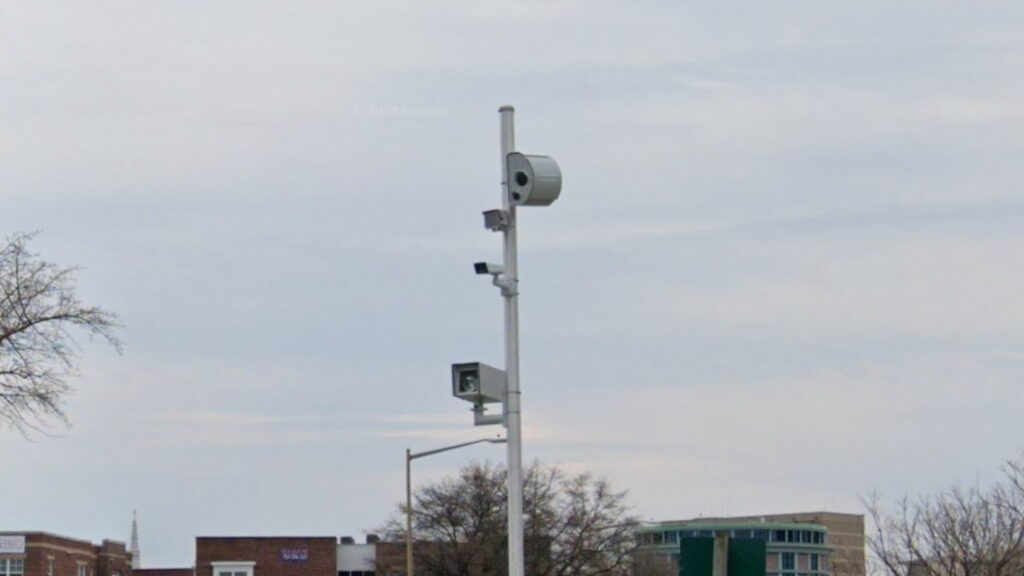
US Air Force Engineer Cut Down 13 Surveillance Cameras Citing Constitutional Violations
When the government talks about mass surveillance, the tone is usually celebratory. One US Air Force engineer allegedly responded with a pair of wire cutters. Police in Virginia claim this service member cut down 13 Flock Safety cameras, then called them unconstitutional. Now the veteran faces serious charges for his actions.
Case Circumstances and Charges
According to court documents and testimony reported by local media, 41-year-old Jeffrey Sovern has been charged with 13 counts of felony destruction of property, as well as charges of petty theft and possession of burglary tools. Prosecutors allege he intentionally damaged Flock Safety cameras in Suffolk, Virginia, between April and October 2025.
Initially, he simply turned some cameras away from the roads they were monitoring. Then, he allegedly began cutting down entire installations. In several instances, the cameras were reportedly thrown from an overpass onto Interstate 664. Police say the investigation took an ironic turn when another traffic camera allegedly captured Sovern’s pickup truck near one of the damaged installations.
Evidence and Defendant’s Position
According to Military.com, investigators later obtained a warrant to install a GPS tracker on his vehicle, and during a subsequent search of his home, components of several Flock camera systems, including solar panels, were reportedly discovered. Authorities also testified that Sovern confessed to dismantling the camera poles using pliers, though he has publicly refrained from accepting responsibility.
Instead, Sovern has framed the case as a constitutional issue. During police interrogation, as investigators stated, he described automatic license plate readers as unconstitutional and violative of the protections afforded by the Fourth Amendment. On a fundraising page to support his legal defense, he also argued that such systems create an unhealthy surveillance state and urged supporters to lobby local authorities for their removal.
During police interrogation, investigators stated that he described automatic license plate readers as unconstitutional and violative of the protections afforded by the Fourth Amendment.
Legal Prospects and Public Response
He has currently pleaded not guilty and is part of what appears to be a growing wave of support for removing surveillance cameras across the United States. Can an Air Force engineer label his actions a “political statement” and avoid punishment? Likely not. But stranger things have happened.
Image: Google Maps
This case has generated significant public resonance as it questions the balance between security and privacy in the digital age. While Flock Safety cameras are positioned as a crime-fighting tool, their widespread use raises concerns about potential abuses and violations of constitutional rights. Sovern’s trial could set a precedent determining how far the government may go in surveilling citizens, and whether individuals have the right to physically resist such systems, even if they deem them unconstitutional. At the same time, regardless of the outcome, this incident underscores the growing tension between law enforcement agencies and activists advocating for privacy protection.