


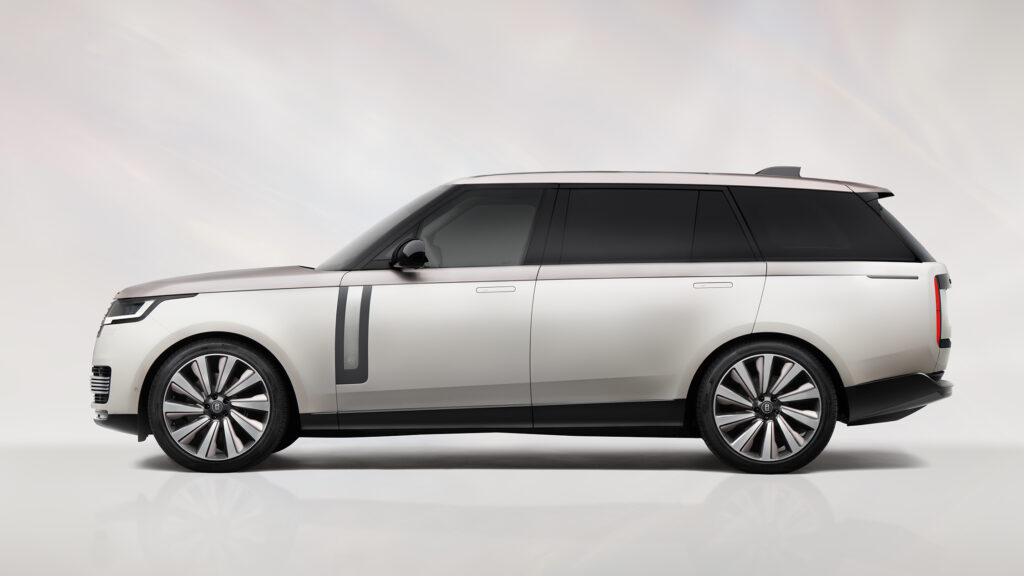
Stellantis and JLR: a new alliance for the American market
Stellantis appears to have chosen a survival strategy in the modern automotive industry by accumulating partnerships. Its new potential ally is Jaguar Land Rover (JLR). Both companies have announced plans to explore opportunities for closer collaboration in the development of cars and technologies in the United States.
The agreement itself remains quite vague for now. Stellantis and JLR have signed a non-binding memorandum of understanding, which opens the way for discussion of potential areas of cooperation. Both sides state that they will:
“explore synergies in areas such as product and technology development, creating meaningful advantages for both parties.”
This sounds like corporate language, carefully vetted by lawyers, and indeed it is. Neither side has confirmed specific models, platforms, or factories. However, in the modern automotive industry, companies do not usually start publicly talking about “synergies” unless something substantial lies behind it.
Stellantis’ regional tactics
For Stellantis, this move fits perfectly into a much broader global strategy. Instead of trying to tackle the challenges of each market alone, the company is increasingly building regional alliances, adapting to the requirements of a specific market.
In Europe and China, Stellantis is actively diving into partnerships with Chinese automakers. Earlier today, it announced plans with Dongfeng for potential production of Voyah electric vehicles at its underutilized plant in Rennes (France). This will help the Chinese company avoid European tariffs, while Stellantis gains new products and capacity utilization.
These same relations with Dongfeng are also shaping the future of Jeep outside the US. Starting in 2027, new electrified Jeep and Peugeot models will be produced in Wuhan for the Chinese market and for export.
Canada is open to Chinese EVs, the US is not
Meanwhile, in Canada, Stellantis is exploring the possibility of using the idling Jeep plant in Brampton to produce electric vehicles in partnership with the Chinese company Leapmotor. Canada has recently become more favorable to Chinese investments in EVs, while the US is becoming increasingly hostile to China.
Against this backdrop, the negotiations with JLR look almost traditional. Cooperation between two established Western automakers to jointly reduce costs in America is far less politically explosive than importing Chinese EV expertise into Western factories.
Although nothing has been said about opportunities for Maserati, creating a car based on the Jaguar Type 01 (see below) sounds much more attractive to Western enthusiasts than one based on the Chinese JAC Maextro. Will future Jeeps and Land Rovers share a platform (and low J.D. Power ratings)? The possibilities are enormous.
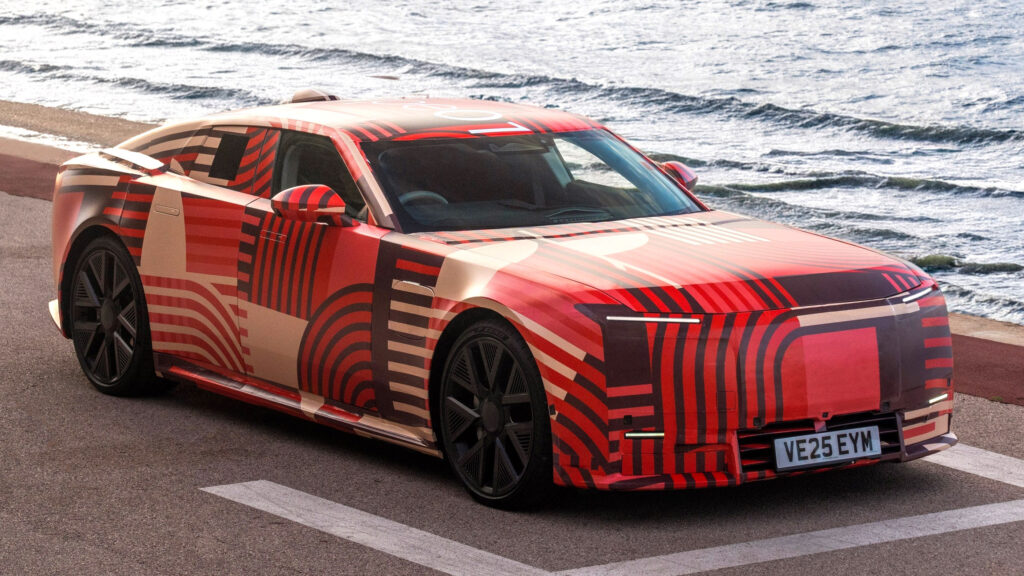

JLR
This news indicates that even major players like Stellantis and JLR cannot afford to develop all technologies on their own amid fierce competition and high electrification costs. Partnerships allow for the distribution of risks and acceleration of new model launches. It is particularly interesting that Stellantis is simultaneously building alliances with Chinese manufacturers for Europe and Canada, as well as with traditional Western brands for the US. This points to a flexible but risky strategy that could lead to platform unification and, possibly, the emergence of unexpected joint models in the future.