


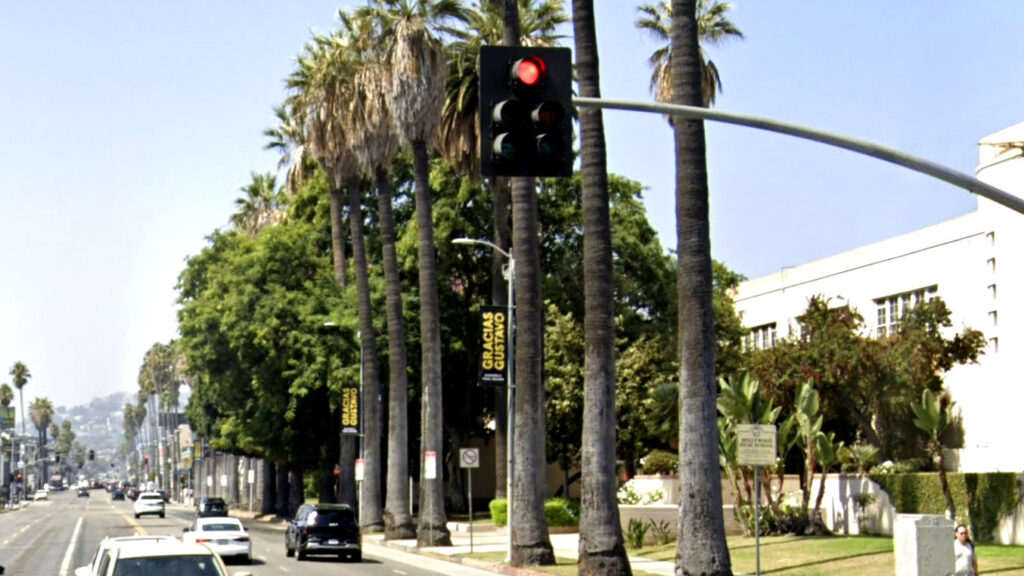
California Expands the Use of Traffic Light Cameras
California is once again drawing attention to its intersections, this time with an expansion of its surveillance camera network. The new bill aims to extend the use of red-light running cameras across the entire state, building on a five-year pilot program already in effect in several cities. This proposal is part of a broader initiative to improve intersection safety. Such cameras have always been controversial, and perhaps to alleviate public concern, fines for first-time offenders may be reduced.
Bill Details and Requirements
Senate Bill 720, introduced by Senator Angelique Ashby, grants cities and counties already participating in speed camera programs the authority to implement automated traffic enforcement cameras. The pilot program has been operating for several years in Los Angeles, San Jose, Glendale, Oakland, Long Beach, and San Francisco. The new bill seeks to address some issues that arose during the trial period.
The updated program will require warning signs to be installed no more than 200 feet from any intersection equipped with a camera. Cities implementing new cameras must also only issue warnings, not fines, to drivers for the first 30 days.
Innovation: Fines for the Vehicle, Not the Driver
Interestingly, the bill provides for fines to be issued to the vehicle itself, not the driver. This is a key difference from the current program, which penalizes the driver. This change is likely related to the fact that progressive civil penalties can be imposed on a vehicle.
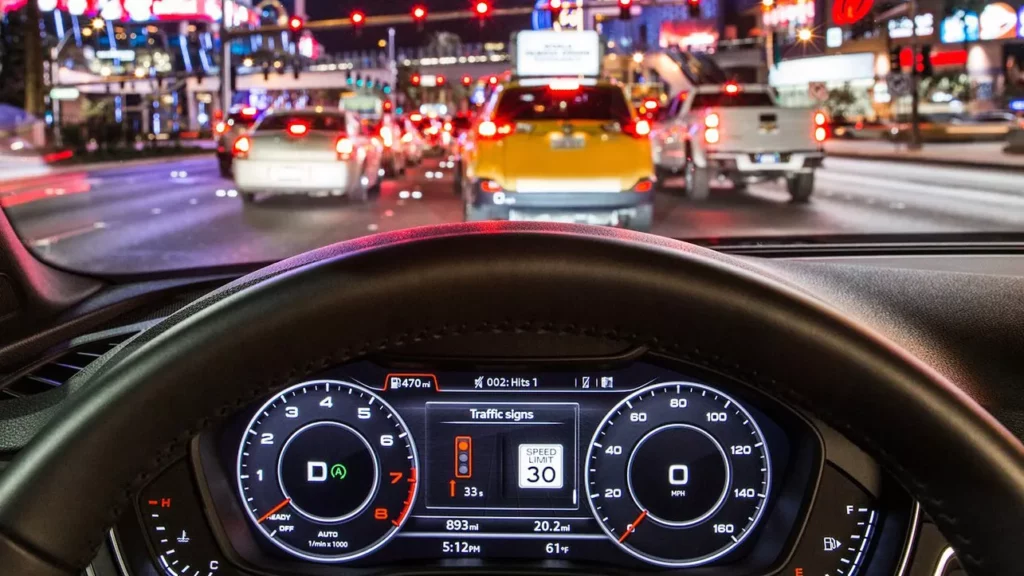

According to data, law enforcement agencies across California have faced difficulties in collecting payments from drivers. In some cases, this financial shortfall has forced cities to abandon programs altogether, as they were operating at a loss rather than being self-sustaining.
Focus on Efficiency and Appeals
The new bill attempts to address this issue. Fines for a first violation will be reduced to $100, easing the financial burden. Drivers who believe a fine was issued unjustly will also be able to contest it in Superior Court for $25, thus obtaining a relatively inexpensive avenue for appeal.
Safety Statistics and Camera Effectiveness
The bill cites data from the Insurance Institute for Highway Safety to support the use of cameras. In 2022 in the U.S., 1,149 people were killed and over 107,000 were injured in crashes involving red-light running. The same study found that cameras reduced the fatal red-light running crash rate in large cities by 21 percent.
These changes are occurring against the backdrop of a broader debate about the balance between safety, privacy, and the financial burden on citizens. The shift from citing the driver to citing the vehicle could significantly alter administrative practices and the logic of liability. At the same time, the reduction of the initial fine and the simplified appeal procedure indicate an attempt by legislators to make the system fairer and more responsive to criticism. The success of this initiative will largely depend on whether cities can overcome the financial collection problems that undermined previous attempts.