


A World Record for Animals
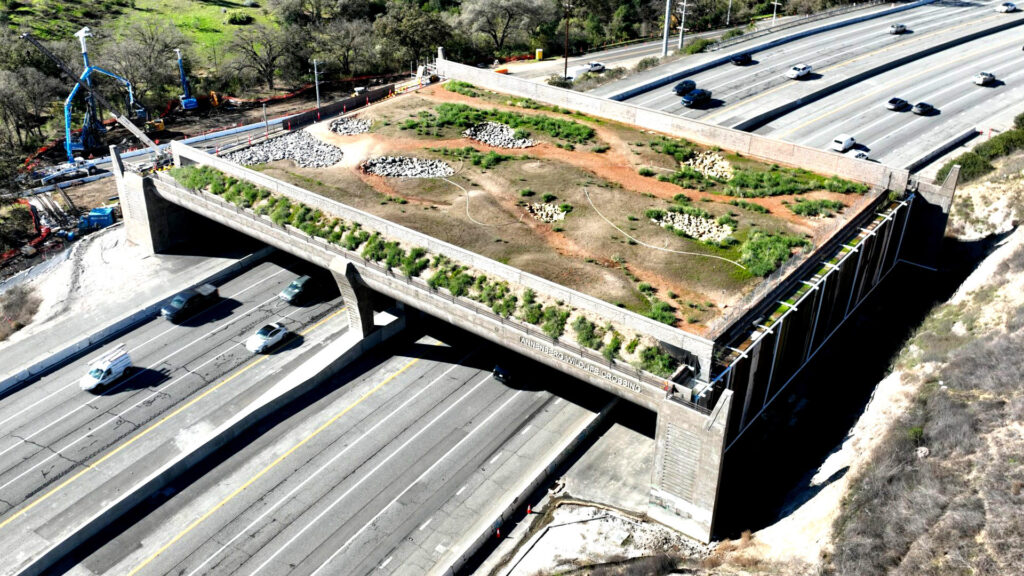
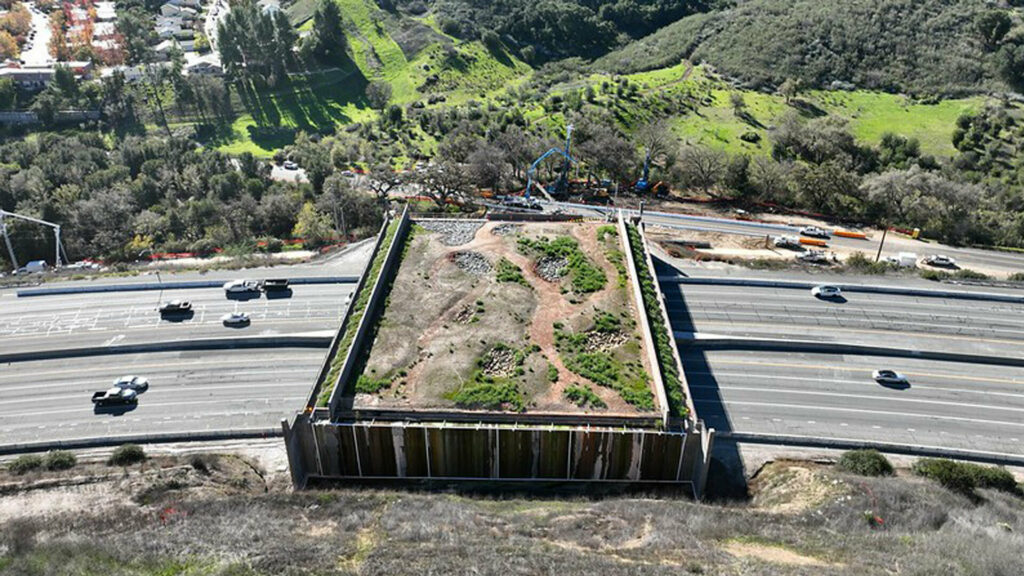
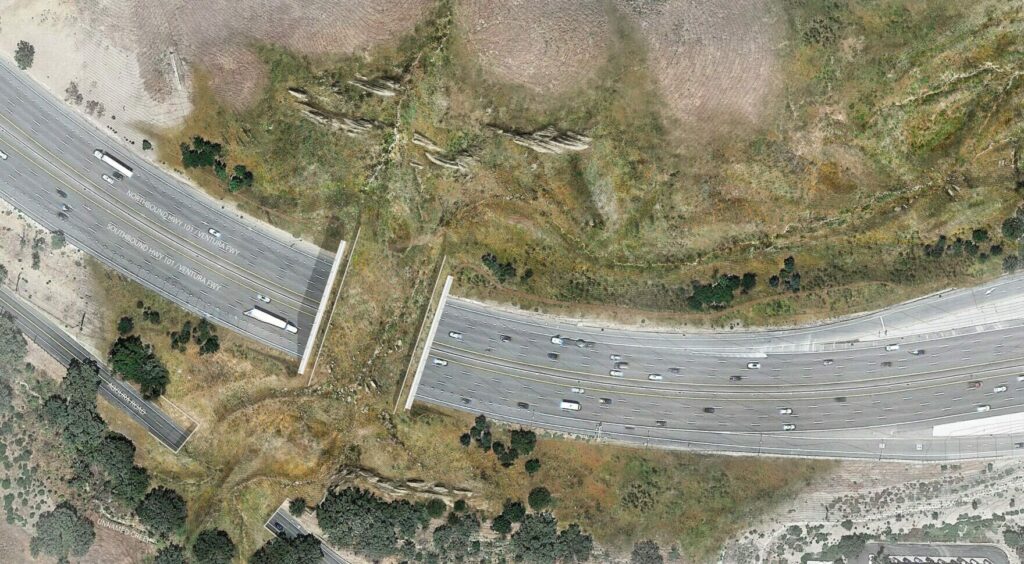
California is preparing to open the world’s largest ecological bridge, designed exclusively for animals. This unique structure, known as the Wallis Annenberg Wildlife Crossing, will be located over the ten-lane US 101 highway between the cities of Calabasas and Westlake Village.
Construction Progress and Plans
Construction of the bridge began in 2022. Governor Gavin Newsom recently confirmed that the project has received funding for completion. If everything goes according to plan, the work will be finished this fall. Currently, the bridge is not yet connected to the sides of the highway, but work is actively ongoing.
It will be covered with native vegetation and designed to blend organically into the surrounding landscape.
Purpose and Future Inhabitants
The main task of the bridge is to safely connect the protected areas of the Santa Monica and Sierra Madre mountains, which are divided by the high-speed highway. This will allow animals to move freely, which is vital for preserving the genetic diversity of populations.

It is expected that the crossing will be used by large mammals such as cougars, bobcats, coyotes, and deer, as well as smaller animals: rabbits, lizards, snakes, and even frogs. This is not just a matter of convenience for the animals, but also of safety for people.
Economic and Environmental Effect
One of the key goals of the project is to sharply reduce collisions between animals and vehicles on this stretch of road. This problem in California has large-scale consequences.
Researchers from UC Davis note that annually, more than 48,000 deer and about 100 cougars die from collisions with cars. In 2024, twice as many deer died from vehicle collisions than from hunting.
In addition to the ecological tragedy, such incidents also cause significant economic damage, which, according to university estimates, exceeds $200 million per year.

Similar infrastructure solutions are gradually ceasing to be exotic. They demonstrate a shift in the approach to landscape planning, where the interests of the ecosystem become a priority. The success of this project could become a model for other regions of the world that face similar problems of habitat fragmentation due to transport arteries. Investments in such structures are not just expenses for nature conservation, but strategic investments in road safety and biodiversity preservation for future generations.