 by
by A Shift in the Privacy-Security Balance
Once, automated license plate readers mounted on police cars promised safer streets in exchange for a small slice of privacy. However, it is now becoming clear that this deal was largely unfair. Increasing evidence suggests that the surveillance net catches not only criminals but every ordinary driver and their car.
Data Accessibility for All
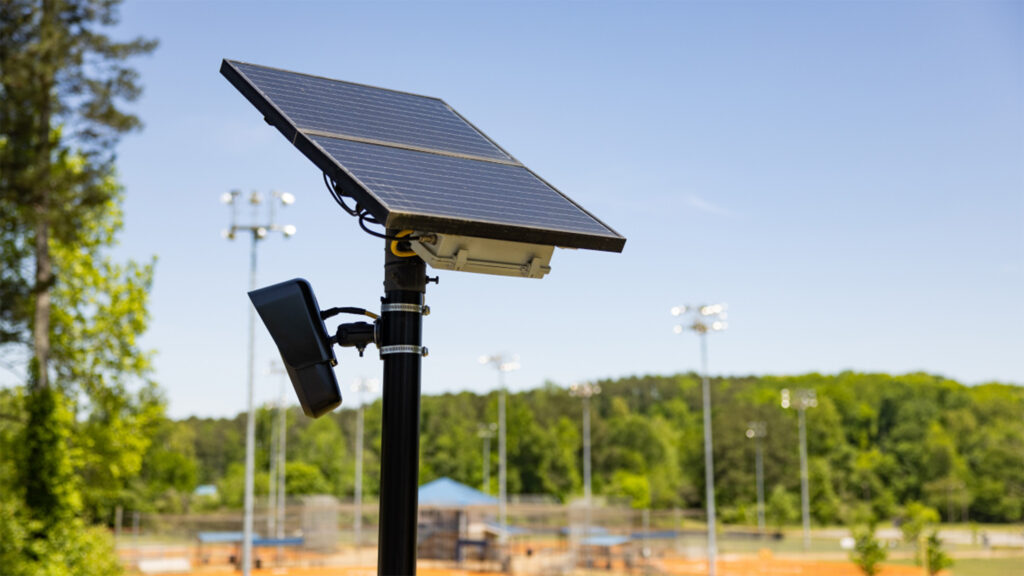
A new report prepared by Benn Jordan in collaboration with 404 Media demonstrates that public safety cameras, including systems from Flock Safety, are viewable online without encryption, passwords, or any authentication. This means that anyone with the correct web address can view archived footage or even watch live streams from surveillance cameras. This is not a theoretical risk. Jordan could see in real-time families loading cars, people leaving homes, runners on trails, and drivers moving through cities.
He was also able to use other publicly available tools not only to identify these people but to learn exactly where they live, what they do every day, and in some cases – what medical issues they face.
From Reading Plates to a Complete Profile
From an automotive perspective, these systems do not just “see” license plates. They record the type of vehicle, unique bumper stickers, dents, and other details of every car that passes by. Every commute, errand, or night drive can become part of a searchable database, even if no crime was committed. Civil liberties advocates argue that this creates a permanent record of innocent drivers’ behavior, stored by third-party providers and accessible with increasingly less justification.

Licensing Questions and Legal Implications
In Texas, state police are investigating Flock Safety’s activities regarding licensing problems. According to the Houston Chronicle, authorities indicate that the company operated for years without the required private investigator license, and its security license was temporarily suspended in 2025 due to insurance lapses. While Flock describes these issues as administrative errors, legal experts warn that improperly licensed surveillance could jeopardize criminal cases and the vehicle data collected.
Growing Legal Resistance
In other states, such as Washington, police have turned off similar safety cameras after a judge ruled that the photos and videos they collect are public records under the law. The issue, again, is not that law enforcement tracks criminals, but that these cameras track everyone, and access to them is unconditionally open to many people who are or could be malicious actors.
Technologies initially presented as tools to fight crime are increasingly turning out to be mass surveillance systems with uncontrolled access. This raises questions not only about the effectiveness of such measures but also about the fundamental principles of democracy and personal data protection. Society will have to determine where the line between security and freedom it is willing to accept lies, especially when privacy can be lost due to a simple administrative error or oversight.