 by
by Cummins is offering vehicle owners a monetary reward for completing a recall repair. The software update is intended to address an emissions issue in Ram pickups. However, fuel consumption and diesel exhaust fluid usage may increase after the repair.
Recall Details
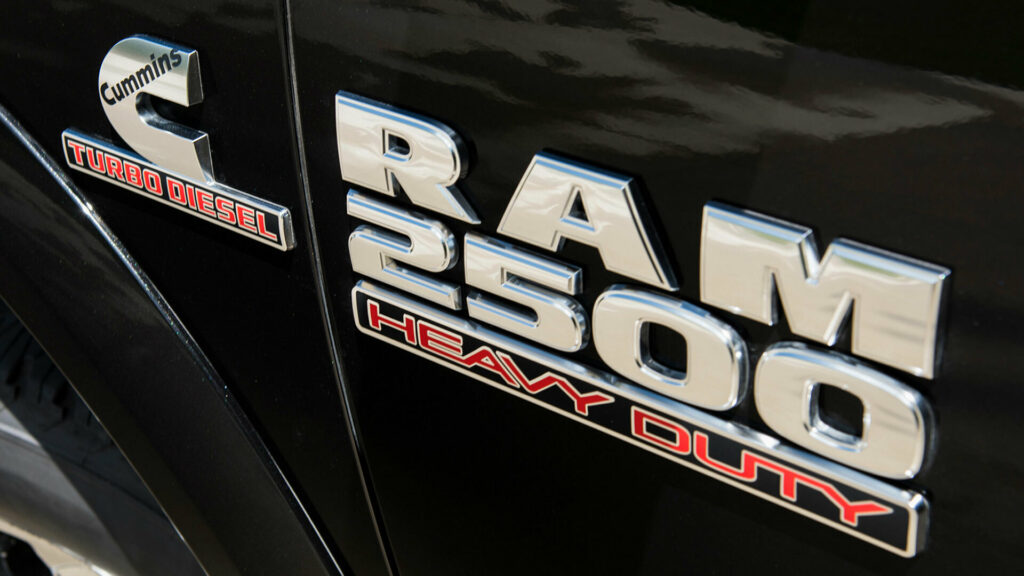
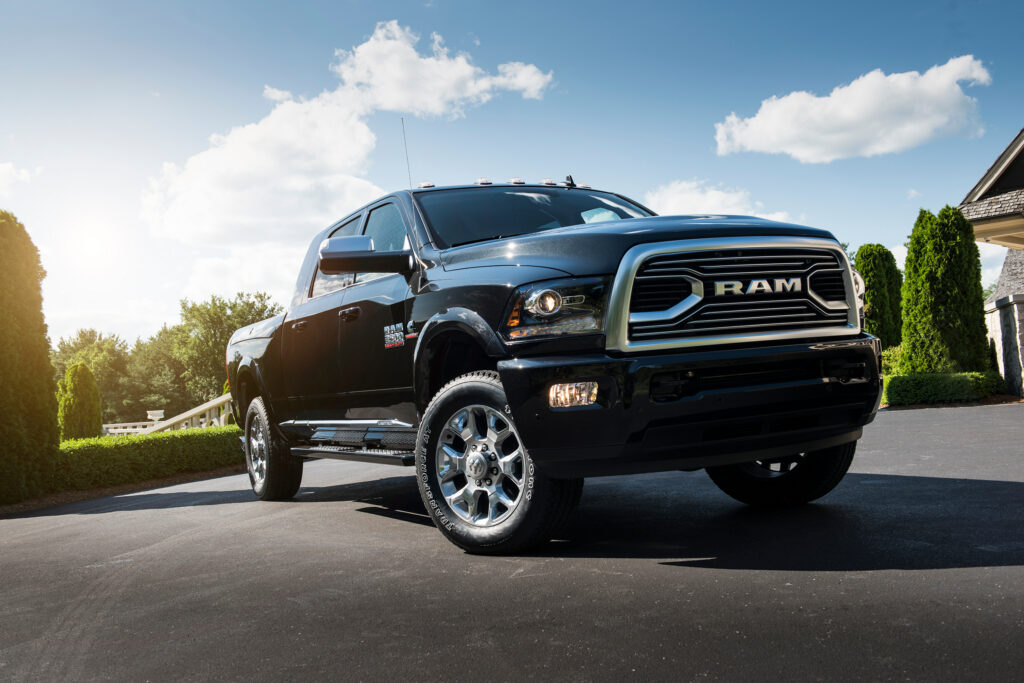
The recall, known under code 67A, concerns Ram 2500 and 3500 pickups from model years 2013-2018, equipped with the 6.7-liter turbo diesel engine. The manufacturer describes it as a simple software update to further reduce nitrogen oxide (NOx) emissions in the exhaust. According to the company, the repair should take no more than 60 minutes and does not affect the vehicle’s power, torque, or responsiveness.
Our goal is to make the process fast, clear, and worthwhile for every owner.
Necessary Compromises
However, Cummins acknowledges that for 2016-2018 vehicles, a decrease in fuel economy of approximately 0.5 miles per gallon may be observed during city driving and under light loads. Diesel exhaust fluid consumption will also increase. This happens because the new software sends updated signals to the fluid injection system to reduce emissions by increasing its dosage under certain conditions.
Financial Incentives for Owners
Since such changes are not attractive to owners, and they are in no hurry to get the repair, Cummins is introducing an incentive system. Customers who complete the recall procedure by May 31 are eligible to receive a $500 pre-paid Mastercard. The first 750 participants to complete the repair by March 31 will receive $1000.
To receive the reward, an application must be submitted on the CumminsRecall.com website by June 21. After completing the recall, owners will also receive a free extended warranty on certain emissions system components, servicing, and labor for a minimum of 4 years or 48,000 miles.
This initiative demonstrates how seriously the company takes compliance with environmental regulations after recent substantial fines. By offering significant monetary payments, Cummins is trying not only to fix technical shortcomings but also to restore consumer trust. Similar incentives have become a fairly common practice among automakers when a recall involves certain inconveniences for the end owner, such as increased operating costs. The success of this campaign could set a precedent for further resolution of similar situations in the automotive industry, balancing between regulatory requirements and customer satisfaction.