


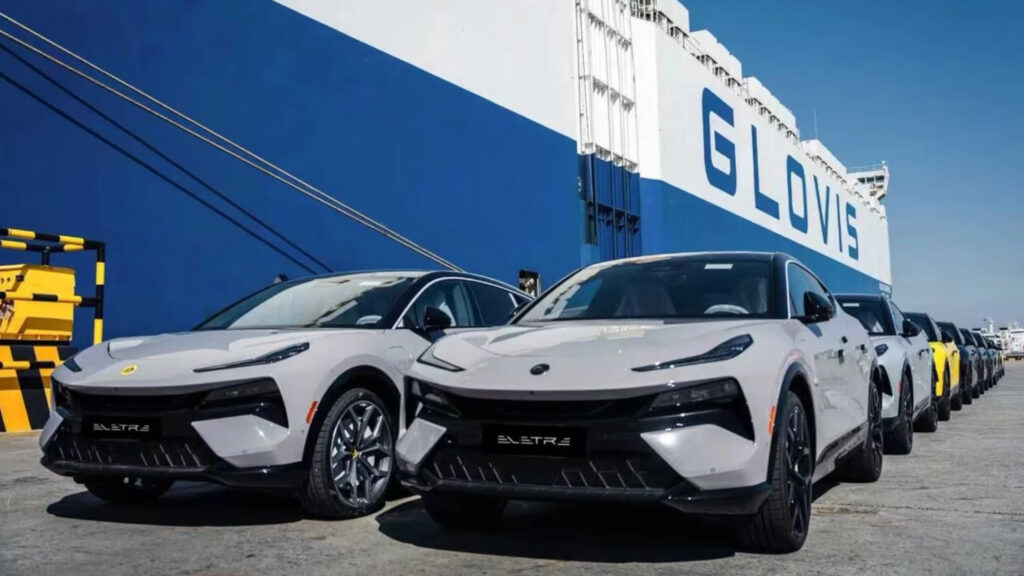
Chinese automakers want to sell more in Canada, but there is a condition
Chinese automakers seeking to sell more electric vehicles in Canada than the current quota allows will first have to establish assembly on Canadian soil. This was clearly stated by Canada’s Minister of Industry, Melanie Joly.
However, this does not mean that Ottawa is opening the door for Chinese brands by allowing them to build factories anywhere. During a recent trip to China, Joly met with executives from BYD, Geely, Chery, and the research company Shanghai Launch Automotive Technology. She laid down a strict condition: any assembly plant built on Canadian soil must be a joint venture with majority Canadian ownership.
Conditions for Chinese manufacturers
In an interview with CTV News, the minister went further, stating that the factories would have to use Canadian suppliers and comply with local labor laws. Additionally, Chinese manufacturers will be required to protect the personal data of Canadians who purchase their vehicles.
According to Joly, the major players already engaged in negotiations — BYD, Chery, and Geely — have expressed interest in selling more vehicles at reduced tariffs, beyond the current annual quota of 49,000 units. Despite the strict conditions that must be met for local production, Joly noted that progress is being made, and
‘positive negotiations could take place, potentially leading to decisions in the coming months.’
Japanese brands are very concerned
Not everyone is pleased with the prospect of Chinese brands appearing nearby. Japanese manufacturers are expressing the most concern. The CEO of Mitsubishi Canada, Kenichi Kawaji, acknowledged that
‘it will be difficult to compete’
with the Chinese, noting that their
‘electric vehicles are very good,’
and
‘the exterior and interior technologies are impressive, all at a good price.’
The President of Honda Canada, Dave Jamieson, recently suggested that a policy allowing Chinese electric vehicles to enter the market
‘actively makes Canada less competitive,’
adding that
‘Canadian automakers face increasing competition from cheap, state-subsidized manufacturers that are not market-oriented.’
In response, Joly stated:
‘We are not jeopardizing any business. I reject that assumption. We are offering the best technologies for Canadians while protecting 500,000 workers. We want to increase our production in Canada.’
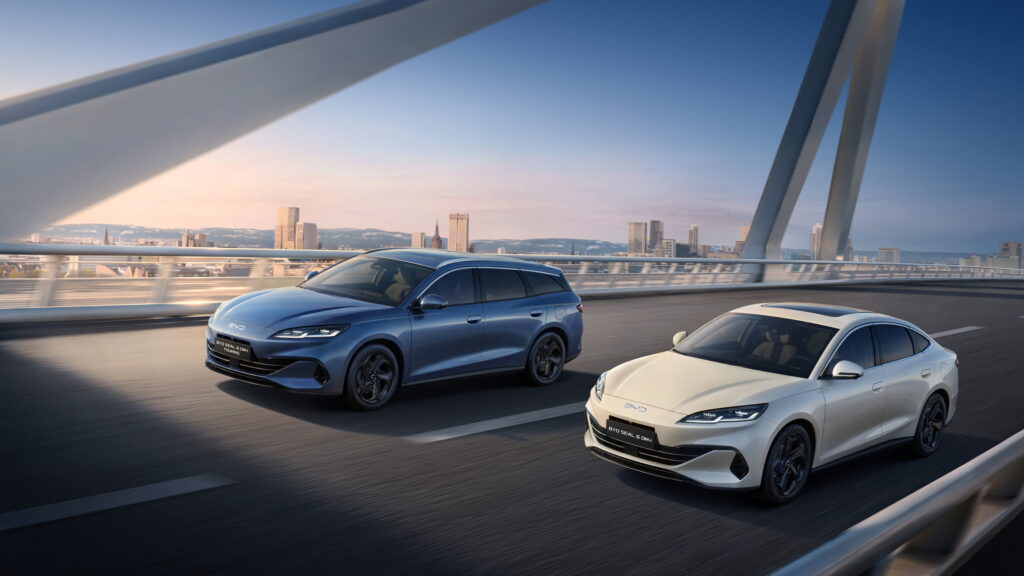

The situation surrounding Chinese electric vehicles in Canada demonstrates a complex balance between the desire to access advanced technologies and the need to protect domestic industry and jobs. The condition of joint ventures with Canadian majority ownership is a typical protectionist measure that allows for control over production and benefits for the local economy. At the same time, the concerns of Japanese manufacturers indicate that the Chinese automotive industry has become a serious player, capable of shifting the balance of power even in traditionally strong markets. Further negotiations will show whether Chinese brands can accept the proposed conditions and how this will affect prices and choices for Canadian consumers.