 by
by BYD May Start Car Production in Canada
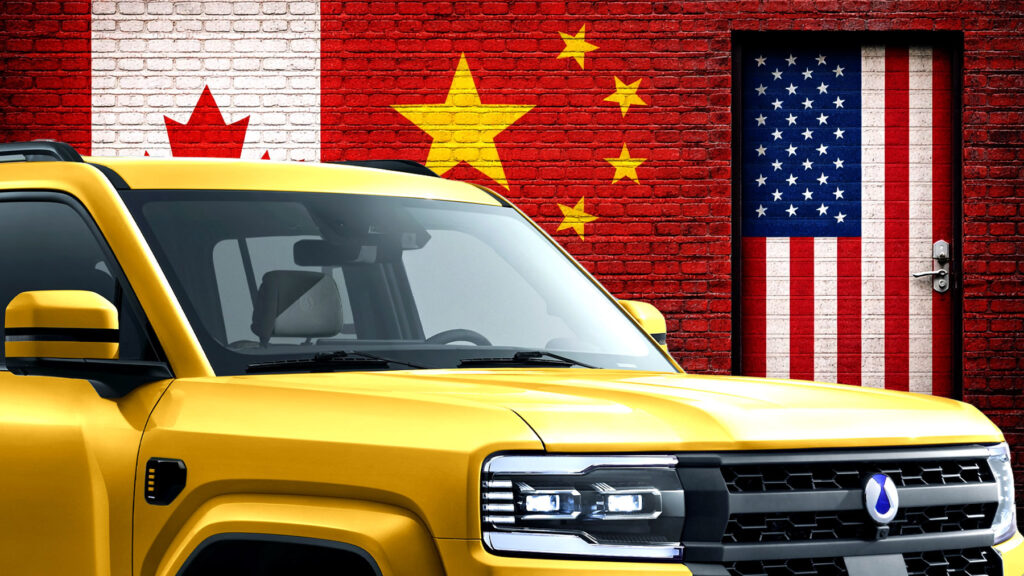
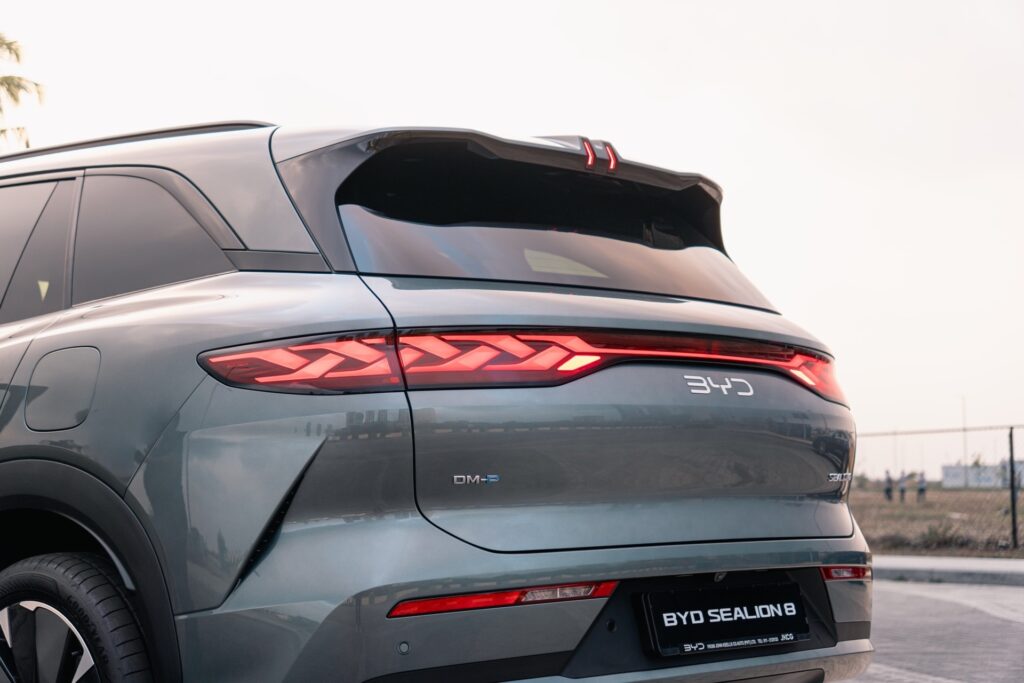
The Chinese auto giant BYD is considering entering the Canadian market and even building factories there. This has become possible thanks to a new trade agreement between Canada and China, which provides for tariff reductions.
Key points of BYD’s potential entry into Canada:
New Deal Opens the Door
Earlier this year, Canada announced a sharp reduction in tariffs on Chinese electric vehicles from 100% to 6.1%, but only for the first 49,000 vehicles annually. This quota will grow to approximately 70,000 vehicles per year over five years, reopening opportunities for BYD.
BYD Executive Vice President Stella Li, during an event in Brazil, confirmed that a launch in Canada is being reconsidered, and the company is even exploring the possibility of building a production facility there.
Market Entry Strategies
The question of how exactly BYD will establish itself locally remains open. The Canadian government promoted the idea of joint ventures between Chinese automakers and local partners, but Stella Li was categorical on this matter.
She stated that she does not believe “a joint venture would work” for the company.
Canada could provide BYD with a foothold in North America, meaning producing models for the local market and the possibility of exporting them. Similar steps are also reported regarding other Chinese brands, such as Geely and Chery.
Potential Acquisitions and Global Expansion
BYD’s growth strategy may include acquiring an existing automaker. In a conversation with Bloomberg, Stella Li suggested that the company is interested in acquiring an already established automotive brand.
She noted: “We are open to every opportunity we have,” and that BYD is currently evaluating potential assets.
Acquiring an established automaker could also give BYD an indirect path to the US market. This is a proven strategy that has worked before. Geely took control of Volvo and used it to expand its global presence, while SAIC revived MG, turning it into a successful EV-focused brand. BYD may consider a similar approach.
BYD’s potential decision to start production in Canada could have far-reaching consequences for the global automotive landscape, especially in the context of trade relations between China and North America. This would not only allow it to bypass high tariffs but also bring production closer to the end consumer, potentially improving logistics and adapting products to local preferences. The success of such a move could set a precedent for other Chinese manufacturers also seeking global expansion, strengthening China’s position as a leader in the electric vehicle industry beyond its own market.