by
by Canada and China Agree to Change Tariffs on Electric Vehicles and Canola
Canada and China announced significant changes to tariff policy today in Beijing. This agreement is likely to bring joy to North American farmers but may cause concern among workers in the region’s automotive industry.
The main points of the new agreement include:
Background of the Tariff War
In late 2024, Canada imposed a one-hundred percent tariff on Chinese electric vehicles, following similar actions by the United States. This measure was intended to protect the local industry and effectively closed the Canadian market to Chinese EVs. In response, China imposed crippling duties of 84 percent on Canadian canola seed, blocking a billion-dollar export sector.
New Deal Between Canada and China
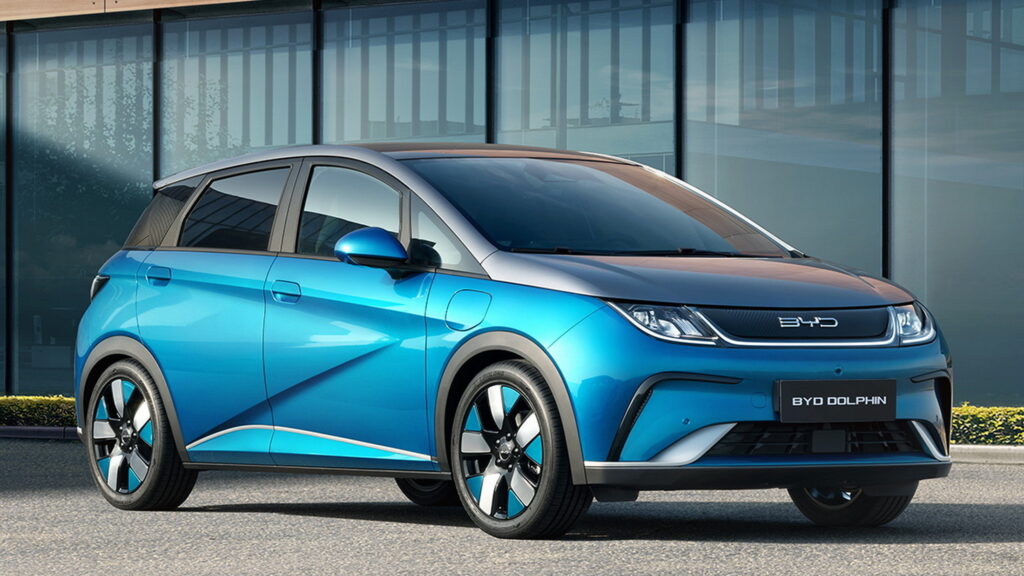
The new deal, reached by Canadian Prime Minister Mark Carney and Chinese President Xi Jinping, dramatically changes the situation. Canada will now allow the import of up to 49,000 Chinese electric vehicles per year at a significantly reduced tariff of about 6.1 percent, a sharp drop from the previous 100 percent. Tariffs on steel and aluminum will also be eased.

Reduction of Canola Tariffs
For its part, China will reduce canola seed duties to approximately 15 percent by March 1, significantly improving market access for Canadian farmers. This step is part of broader efforts to restore strained relations between the two countries and comes as a result of the first high-level visit by a Canadian prime minister to Beijing in nearly a decade.
Concerns of the Automotive Industry
However, not everyone is happy with this development. Some Canadian auto workers and industry experts fear that lower EV tariffs and an influx of affordable cars could intensify competition in an already challenging market. Before the final negotiations, Ontario Premier Doug Ford made it clear that he opposes lifting the tariffs.
Job Creation Prospects
Mark Carney, however, predicts that the electric vehicle deal will lead to “significant” Chinese investments in Canada’s automotive sector, creating jobs while helping to meet climate goals. He noted that to build its own competitive electric vehicle sector, Canada needs to learn from innovative partners, gain access to their supply chains, and increase local demand.
US Reaction and Broader Context
US President Donald Trump and his administration will undoubtedly be upset by this news from Canada. However, thousands of American farmers who grow soybeans and whose livelihoods have been affected by tariffs will likely wish for Trump to strike a similar deal.

This agreement reflects the complex dynamics of global trade, where environmental goals and the development of new technologies intertwine with the protection of national industry and jobs. Lowering tariffs on electric vehicles could accelerate Canada’s transition to clean transport, making EVs more affordable for consumers. At the same time, the success of Canadian farmers in the Chinese canola market could set an important precedent for resolving other trade disputes worldwide based on the principle of reciprocity. The long-term impact on the Canadian auto industry remains a question, as competition can stimulate innovation but also put pressure on local manufacturers.