


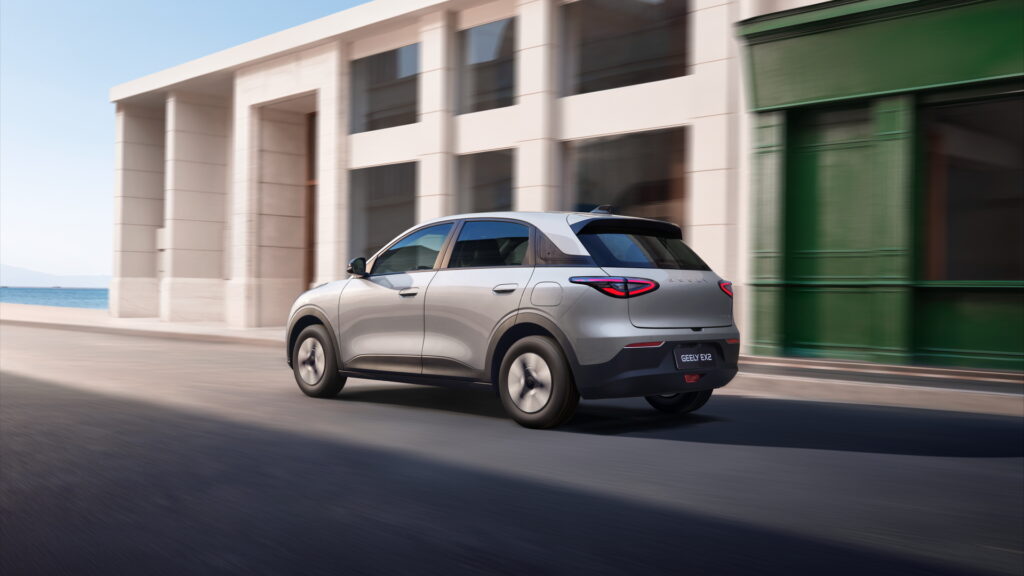
The Canadian government is reviewing the mechanism for distributing permits for importing Chinese electric vehicles with reduced customs duties. The reason is the fear that companies such as Tesla could exhaust the entire quota, leaving other manufacturers without access to preferential terms.
Details of the new trade agreement
Under the new agreement between Canada and China, up to 49,000 Chinese-made electric vehicles can be imported annually at a reduced duty rate of 6.1%. This is significantly less compared to the previous high duty of 100%. The first batch of 24,500 permits is available from the end of March to August 31 and is distributed on a first-come, first-served basis.
According to Bloomberg, no permits have been issued so far. The situation may change as Tesla has confirmed plans to sell the Chinese-made Model 3 in Canada at a significantly lower price. The new base cost is 39,490 Canadian dollars (about 29,007 US dollars), significantly lower than the previous price of the Model 3 Long Range AWD at 79,990 Canadian dollars (about 58,700 US dollars).
Canada seeks equal access for all Chinese brands
In addition to Tesla, through its Volvo and Polestar brands, which are already operating in Canada, the company could receive part of the initial quota. After August 31, when the second half of the 49,000 permits becomes available, officials may review the system and assign specific volumes with reduced duties to individual manufacturers. This will allow more brands to join the program.
Among the potential newcomers to the Canadian market are BYD and Chery. According to unnamed officials, the quota system in the future may favor companies that create production capacities in Canada, including local assembly plants.
Information about possible changes emerged after it became known that BYD, Chery, and the Zeekr brand (owned by Geely) are actively hiring staff in Canada, preparing for a rapid launch of their car sales.
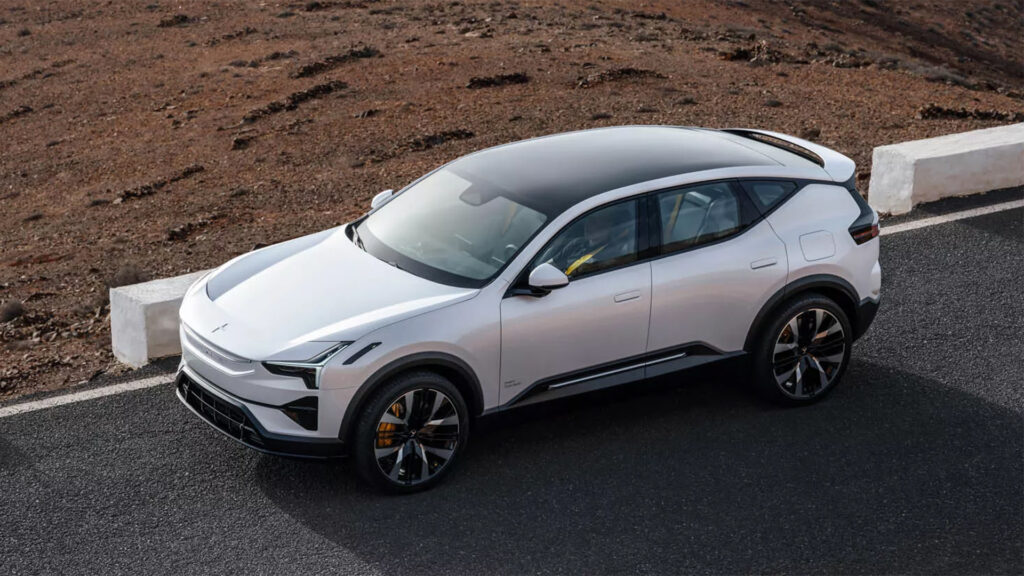

Thus, the Canadian government is trying to balance the interests of different manufacturers to avoid monopolization of preferential terms by one company. At the same time, the active preparation of Chinese brands to enter the market indicates a high interest in Canada as a promising market for electric vehicles. Further developments will depend on whether the government can adapt the quota distribution mechanism in time to ensure fair competition and stimulate localization of production.