


General Motors Leadership’s Reaction to Canada’s Deal with China
Canada recently signed a new trade deal with China, allowing the import of up to 49,000 Chinese electric vehicles per year at significantly reduced customs tariffs. Specifically, the rate is being lowered from a punitive 100% to just 6.1%. This decision has sparked a wave of outrage among representatives of the North American auto industry and labor unions. Following criticism from Ontario Premier Doug Ford and Unifor union leader Lana Payne, General Motors CEO Mary Barra has added her voice.
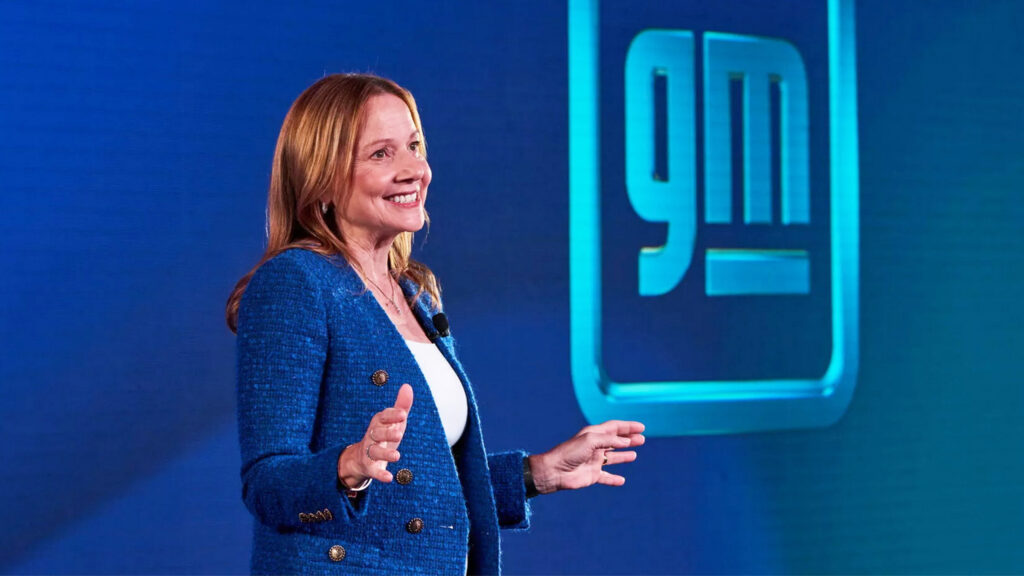
Mary Barra made it clear that she views this deal as an action that contradicts efforts to strengthen a robust manufacturing base in North America. She believes the decision carries risks for both the economic and strategic security of the region.
Competitive Threats and a “Slippery Slope”
Addressing GM employees, Barra directly expressed her stance on the situation. She stated that she cannot explain why such a decision was made in Canada and called this path a “very slippery slope.” This metaphor points to a serious competitive threat from Chinese brands, especially in a market long dominated by North American and traditional Asian manufacturers.
“I can’t explain why the decision was made in Canada. It becomes a very slippery slope,”
Barra also emphasized the structural advantages enjoyed by Chinese automakers. She cited the example of China’s high tariffs on imported cars and strict rules on technology transfer. These factors, in her opinion, have allowed local companies to thrive while foreign competitors struggle to gain a foothold in the market.
Deal Details and Canada’s Argumentation
The reduced customs rate of 6.1% is part of a previous agreement between the two countries and signifies a substantial shift in trade policy. The office of Canadian Prime Minister Mark Carney is attempting to downplay the significance of this move, noting that 49,000 Chinese electric vehicles constitute less than 3% of total new car sales in the country.


In addition to market access, the Canadian government also hopes the deal will incentivize Chinese automakers to start building cars at local manufacturing sites. Plans are also in place to shorten the time required for certification of new vehicles.
Geopolitical Context and Diversification
Although Canada has a deeply integrated automotive supply chain with the United States, the new trade deal clearly signals the country’s intent to diversify its ties. This step can be viewed as a certain distancing from traditional relations with the US, especially against the backdrop of the often contentious rhetoric and trade policy of the Trump administration.


This situation illustrates the complex dilemma facing many Western countries: finding a balance between openness to global markets, particularly for access to advanced technologies and cheap goods, and protecting their own strategic industries and jobs. Mary Barra’s position reflects deep concerns within the US auto industry about long-term competitiveness under conditions where Chinese manufacturers, receiving significant state support, gain easier access to key markets. At the same time, the Canadian government appears to be making a strategic bet that strengthening trade ties with China and potentially attracting investments in local production will bring the country more benefits than risks, especially in the context of uncertainty in relations with its southern neighbor.