by
by Statement by the General Motors CEO
General Motors CEO Mary Barra recently stated that the federal fuel efficiency standards set during the Biden administration were so stringent that the company would have been forced to cut production of internal combustion engine vehicles in order to comply with the requirements.
Key Points of the Speech
Barra shared these thoughts during a conversation at an influential industry conference organized by The New York Times, which discussed the internal pressures faced by major automakers in the current regulatory environment.
Her comments came shortly after President Donald Trump confirmed the easing of fuel efficiency standards, reducing pressure on automakers to produce electric vehicles and giving them more flexibility to manufacture and sell internal combustion engine models.
Threat of Production Shutdown
“Would have had to start closing plants”
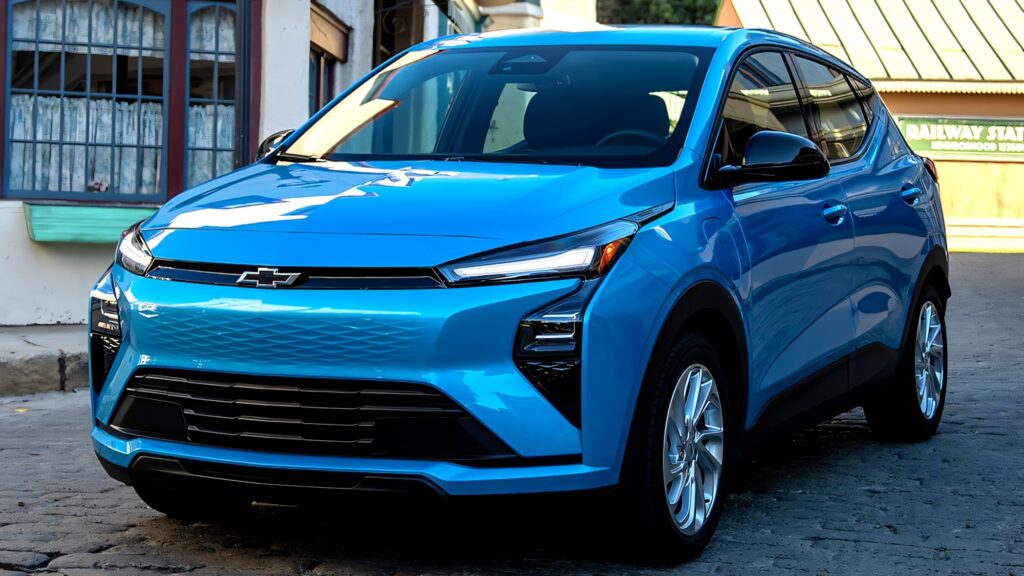
Under the rules of the Biden era, automakers were required to achieve a fleet average fuel economy of 50 miles per gallon by 2031. According to Bloomberg, achieving this figure would have meant that electric vehicles would account for over half of all sales by that time.
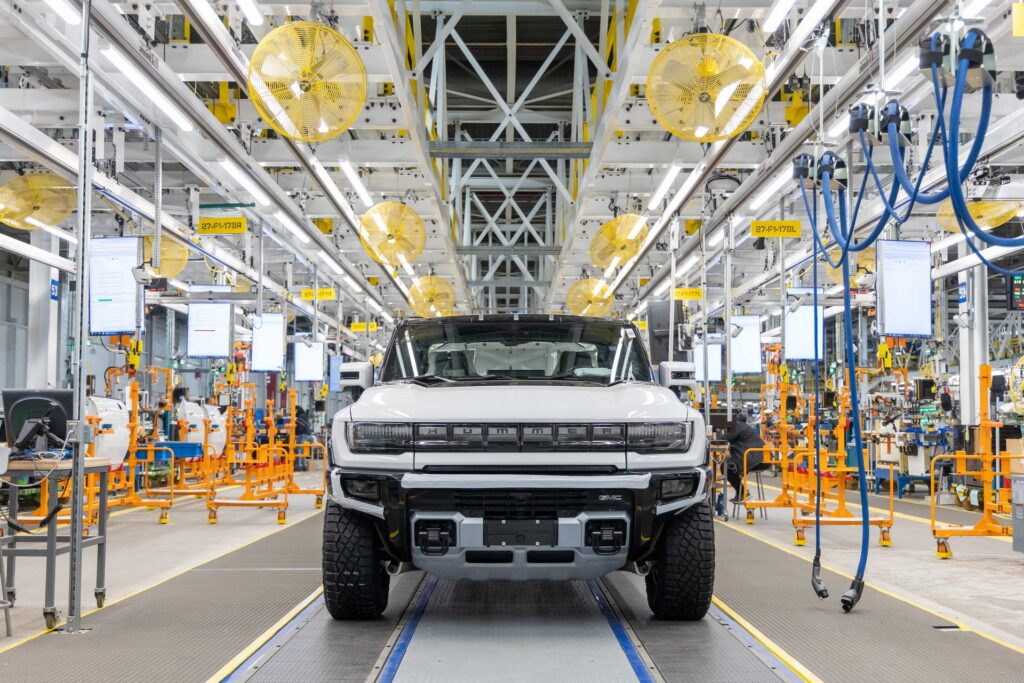
If GM failed to meet these targets, and if the administration did not revise the rules to account for market realities, Barra claims the company would have had little choice but to cut sales of its gasoline lineup. She added that internal forecasts indicated the company would have had to “start closing plants” if its electric vehicle sales did not grow fast enough.
Pragmatic Approach to Regulations
Barra also touched on several other topics during her conversation with the interviewer. At one point, she was asked about how GM changed its position regarding policy support during the first Trump administration, then after Joe Biden’s election, and again after Trump’s return to the White House in January.
She responded by framing GM’s approach as pragmatic, not political. The company, she said, wants to build cars that people want to buy, and it simply has to operate within the regulatory frameworks set by those in power.
Now, with the easing of CAFE standards, she will have the freedom to better manufacture cars based on what her customers want, not just what they must build to meet regulatory requirements.
The Future of the Market
How this will affect the American automotive industry remains to be seen, but if these rules remain in force in the future, it is unlikely that electric vehicles will constitute a significant market share anytime soon. Changes in regulatory policy have always been a key factor for the auto industry, forcing companies to balance innovation, consumer demands, and government directives. Recent events highlight how crucial it is to find a balance between environmental goals and the economic viability of production to ensure industry stability and employment.