


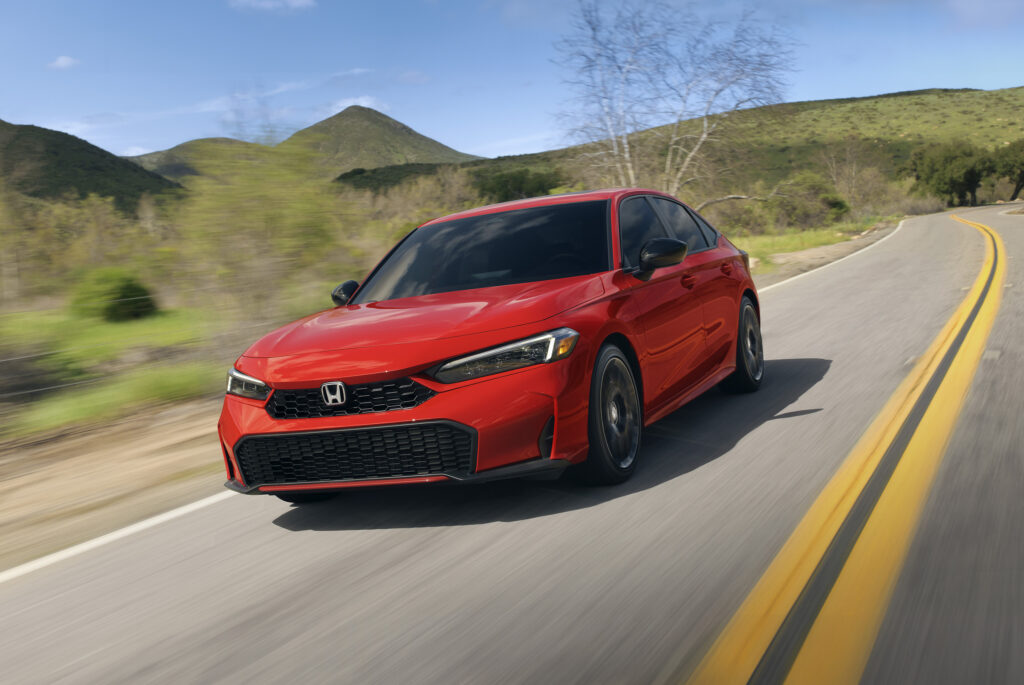
Honda and Nissan are approaching a partnership agreement, and both companies cannot afford to delay. The collaboration must begin as soon as possible, and the first step appears to be the joint use of electronic control units (ECUs), which act as the central ‘brain’ of the car.
Joint ECUs and future plans
Speaking at Honda’s annual general shareholders’ meeting in Japan late last week, company president Toshihiro Mibe stated that the work with Nissan is ‘quite advanced, and some aspects are already close to being announced.’ This statement was likely intended to reassure shareholders after Honda recently reported its first annual net loss in its history.
Earlier this week, it was revealed that the joint ECUs would be used in various Honda, Nissan, and Mitsubishi models, including hybrids and electric vehicles. According to Nikkei Asia, the three companies still need to agree on development funding and other terms before the deal is signed, although an agreement is expected within weeks rather than months.
According to Mibe, Honda is ‘advancing each project in the spirit of a mutually beneficial partnership.’ The joint ECUs could appear on the market around 2029 or 2030. Once cars from different brands begin to operate with the same ‘brain,’ the rest of the collaboration will become significantly easier. The shared control unit is the foundation upon which everything else can be built.
Renault’s role in the negotiations
A potential obstacle to closer ties between Honda and Nissan is Renault. The French brand still holds a 15 percent voting stake in Nissan. It has been reported that Renault may have recently influenced shareholders to reject Nissan’s proposal to appoint Motoo Nagai as an external director.
Since Nissan is a public company, it requires shareholder approval to enter into significant capital alliances, such as with Honda. This recent case shows that Renault still has considerable influence over what happens at Nissan.
Financial pressure on Honda
Honda needs a close relationship with Nissan now more than ever. The company recently reported a net loss of 423.9 billion yen (approximately 2.62 billion US dollars) for the fiscal year ending in March. According to Mibe, if Honda cannot ‘defeat the new emerging forces within three years… our automobile manufacturing business will be in a difficult position.’
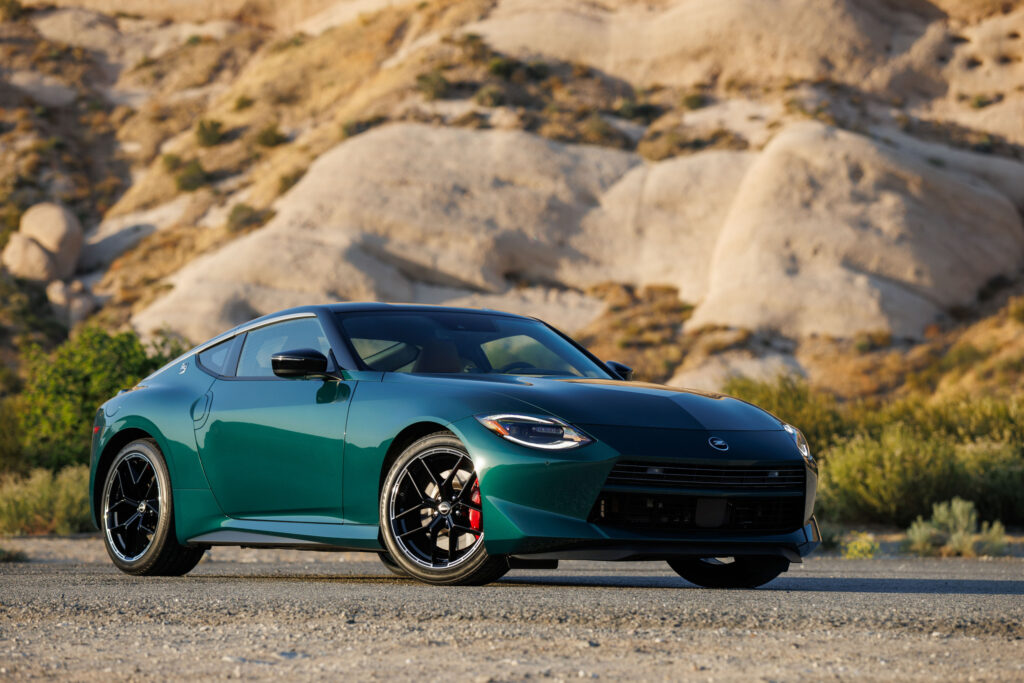

Thus, the partnership between Honda and Nissan appears not merely desirable but a critically necessary step for both companies amidst fierce competition and financial challenges. The joint development of key components, such as ECUs, will significantly reduce costs and accelerate the launch of new models to market. At the same time, Renault’s influence remains a significant factor that could either facilitate or complicate the implementation of these ambitious plans. Further developments will show whether the Japanese automakers can overcome these obstacles and create a powerful alliance capable of competing with global industry leaders.