


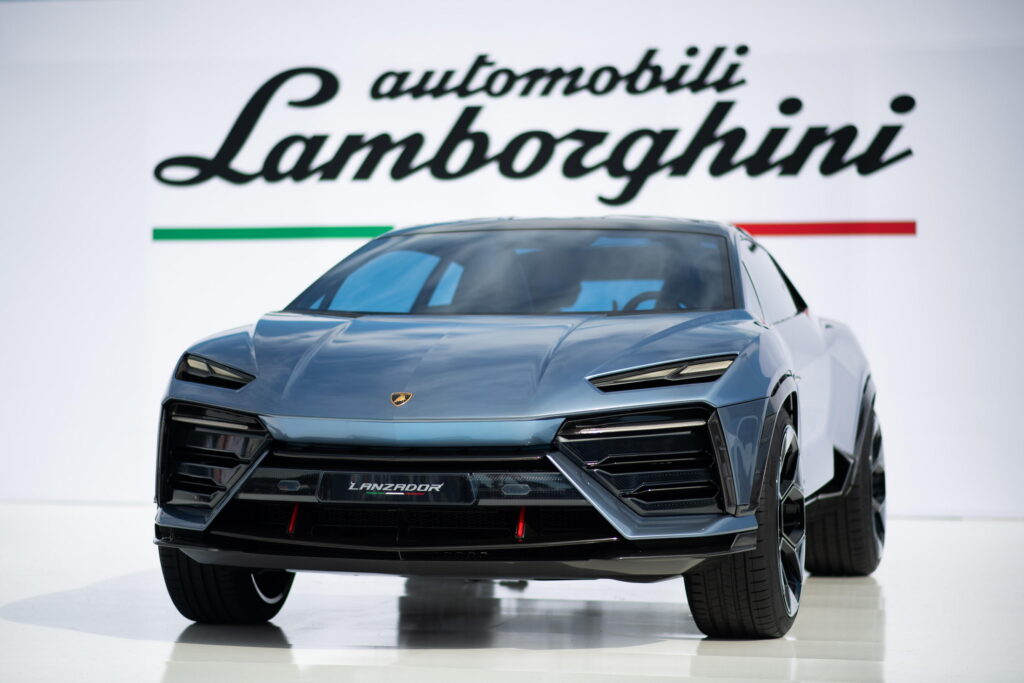
Lamborghini is in no rush with an electric car: CEO’s stance on EV demand
The debut of Ferrari’s first electric car, the Luce model, has sparked considerable controversy. However, instead of making the competitor from Lamborghini feel left behind, company CEO Stephan Winkelmann seems even more confident in the rightness of his decision to delay the launch of his own electric car. He openly states that Lamborghini did the right thing by delaying the release of its first fully electric vehicle.
Reaction to the Ferrari Luce and own strategy
During a roundtable with journalists, commenting on the reaction to the Luce model, Winkelmann noted that his company made the “right decision” by postponing the launch of its first electric car. He argued this by stating that customer demand for electric supercars has not materialized as most market participants had predicted.
Lamborghini says it doesn’t need an EV until at least 2030.
According to Handelsblatt, Winkelmann reported that Lamborghini had been tracking demand in the luxury segment for years. As it turned out, EV adoption among the brand’s target audience grew much more slowly than forecast. The company planned to launch the fully electric Lanzador by the end of the decade, but production was first delayed and has now been pushed back to at least 2030, as EV adoption rates among potential buyers turned out to be “close to zero.” Lamborghini has now abandoned this project and is considering releasing a new hybrid model in the near future.
Regulatory risks and financial stability
It is important to note that European regulations mandate a ban on the sale of new internal combustion engine cars from 2035, although exceptions for e-fuels and some low-volume manufacturers are being discussed. While many exotic car manufacturers have announced ambitious electrification programs, Lamborghini has decided to let others test this market first.
This approach seems sensible given the company’s position. Although Lamborghini is not as successful as Ferrari, it benefits from its place within the Volkswagen Group structure. Today, it is one of the conglomerate’s most profitable divisions. In 2025, the company generated revenue of 3.2 billion euros ($3.7 billion). Although operating profit fell from 835 million euros ($970 million) to 768 million euros ($892 million), the company still posted an impressive operating margin of 24 percent.
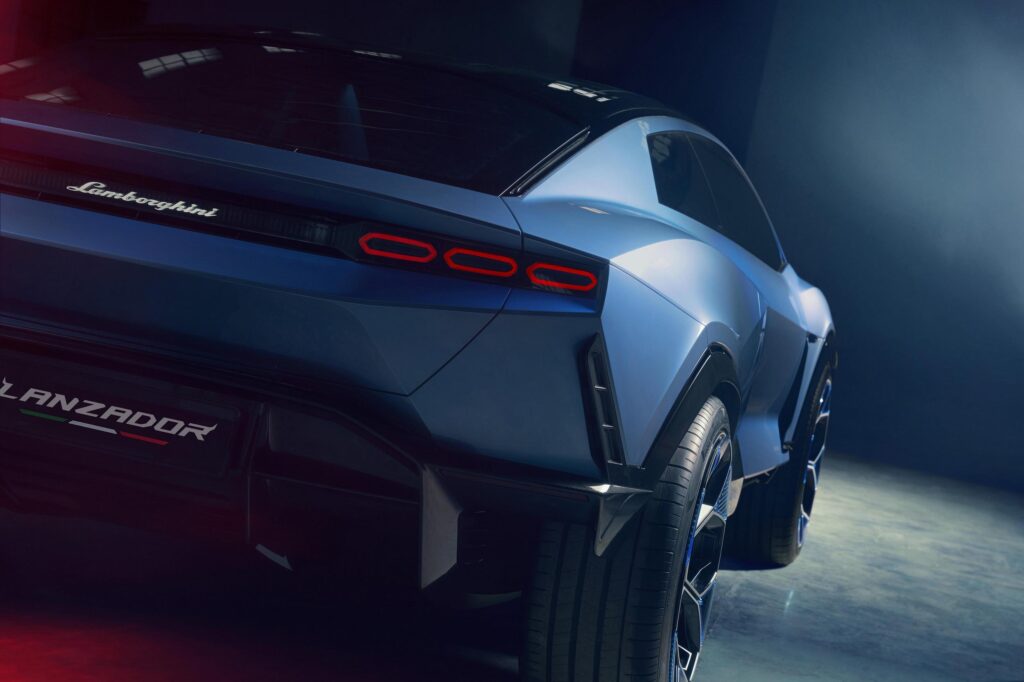

Thus, Lamborghini is consciously choosing a conservative path, focusing on hybrid technologies and internal combustion engines while the electric car market in the supercar segment matures. This allows the company to maintain strong financial results and avoid the risks associated with launching a product that may not find sufficient demand among its core customers. Opting out of an early EV market entry could prove strategically advantageous, allowing it to observe competitors’ mistakes and wait for more favorable conditions, particularly regarding infrastructure and battery technologies capable of satisfying the demands of the most discerning buyers.