


Bugatti’s Head in America Doesn’t Drive a Bugatti: Here’s His Choice and Principles
Bugatti produces between 80 and 100 cars annually for the entire world, and only about 40 of them reach American buyers. This figure defines the working style of Sascha Doering, the Chief Operating Officer of Bugatti Americas. He knows his clients’ children’s birthdays, calls them without any particular reason, and invites them to dinner when their travels coincide. However, he does not drive a Bugatti home and does not allow artificial intelligence to interfere with his work.
Previously, Doering worked in the IKEA cafeteria, gradually climbing the corporate ladder to his current position at Bugatti. He maintains close relationships with the company’s clients and spends a lot of time behind the wheel of Bugatti models, but exclusively alongside owners at rallies and organized events.
Personal Relationships Above All
According to Doering, these relationships often go far beyond the sale. Dinners and phone calls are not a tactical ploy, but the very essence of the job. “Personal relationships are of paramount importance,” he noted.
“I know my place,” he told Business Insider in a recent interview. “I don’t want to give the impression that the COO of Bugatti Americas is joyriding in a Bugatti.”
A Modest Everyday Car
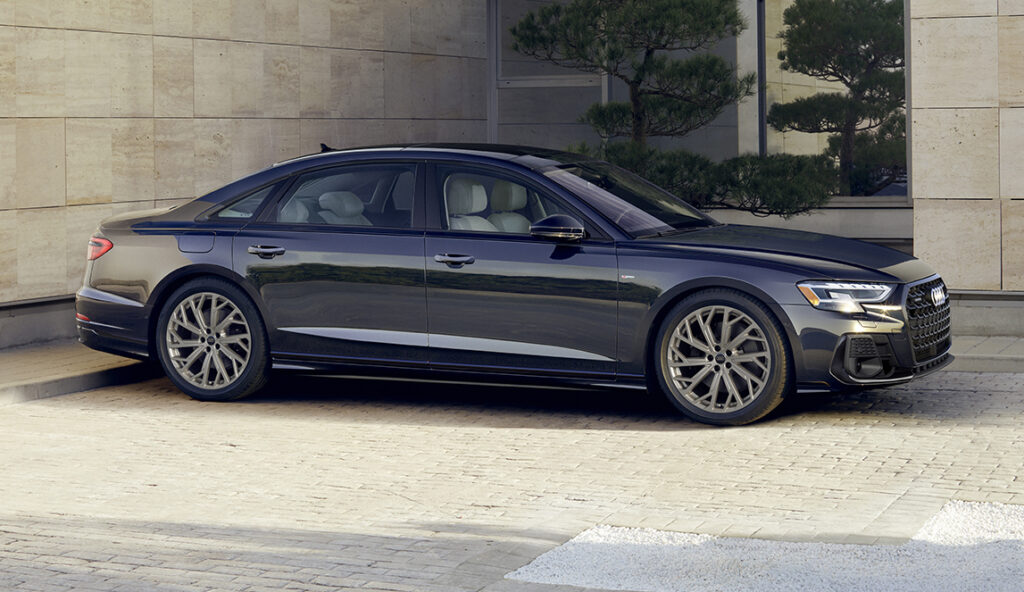
So what does Doering drive? Unsurprisingly, his garage houses another car from the VW Group, namely an Audi A8 L. Although it is far from a Bugatti in performance, it also has an obvious focus on quality and luxury. As a means of transport to meetings and dinners with owners, which Doering does often, an executive sedan sounds ideal.
Losing even one buyer hurts badly with such a production volume. “We cannot replace clients. We cannot lose clients because they are as rare as our products,” Doering said.


Artificial Intelligence? No, Thanks
There is also the question of artificial intelligence. The world is experiencing an AI boom, and companies that do not embrace it risk falling behind. Many of the world’s largest automakers use these tools for developing and designing future models. However, Bugatti remains true to a more traditional approach.
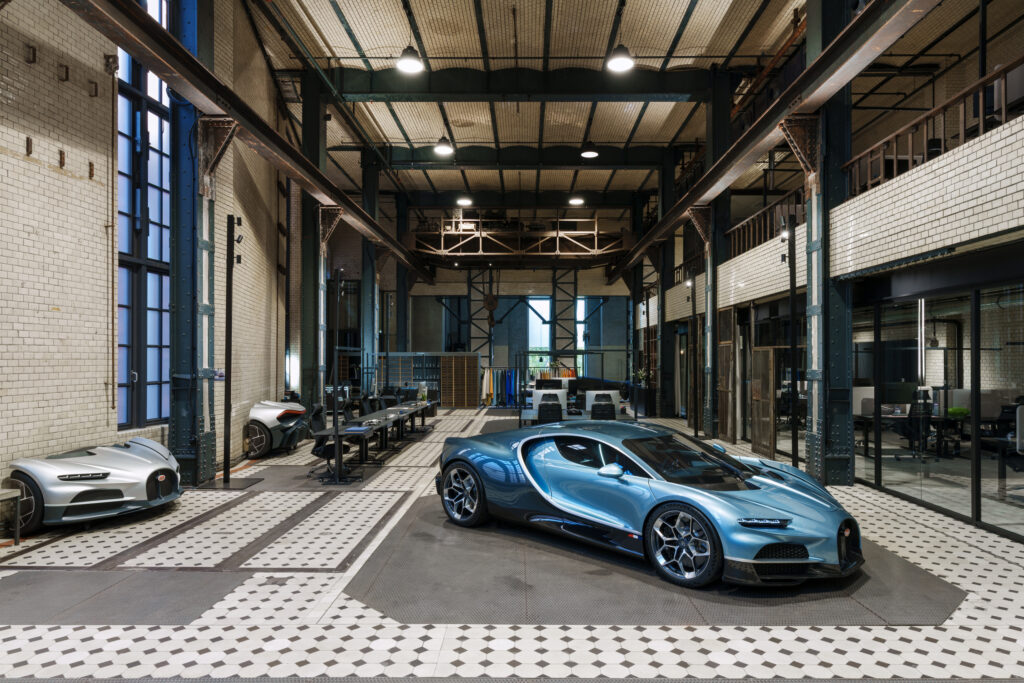
During the same interview, Doering noted that the company did not use AI in the design, development, or production of the new Tourbillon hypercar. “They don’t use AI for design,” he added. “Maybe it will become a thought in the future, but at the moment in the Tourbillon, I think it wasn’t.”
Doering himself is also not a big fan of AI, noting that he still creates his own PowerPoint presentations and only occasionally uses Claude for simple, routine tasks. He said that preparing presentations himself forces him to process the analysis and history, rather than outsourcing this process. “I’m still one of those guys who writes his own story and creates his own PowerPoint,” he told the publication.
Photo: Bugatti
This approach of the Bugatti Americas head demonstrates a unique brand philosophy, where exclusivity and personal contact with clients are placed above mass technological trends. The refusal to use AI in the Tourbillon’s design underscores the desire to preserve the “human factor” and craftsmanship, which is key to the luxury segment. The choice of the Audi A8 L as a daily driver is also indicative: it is a conscious demonstration of humility and respect for the status of clients, for whom a Bugatti is not just a means of transportation, but an object of art and investment. This contrasts with the general trend in the automotive industry, where top managers often promote their companies’ flagship models.