


SRT’s Return and the New Powertrain
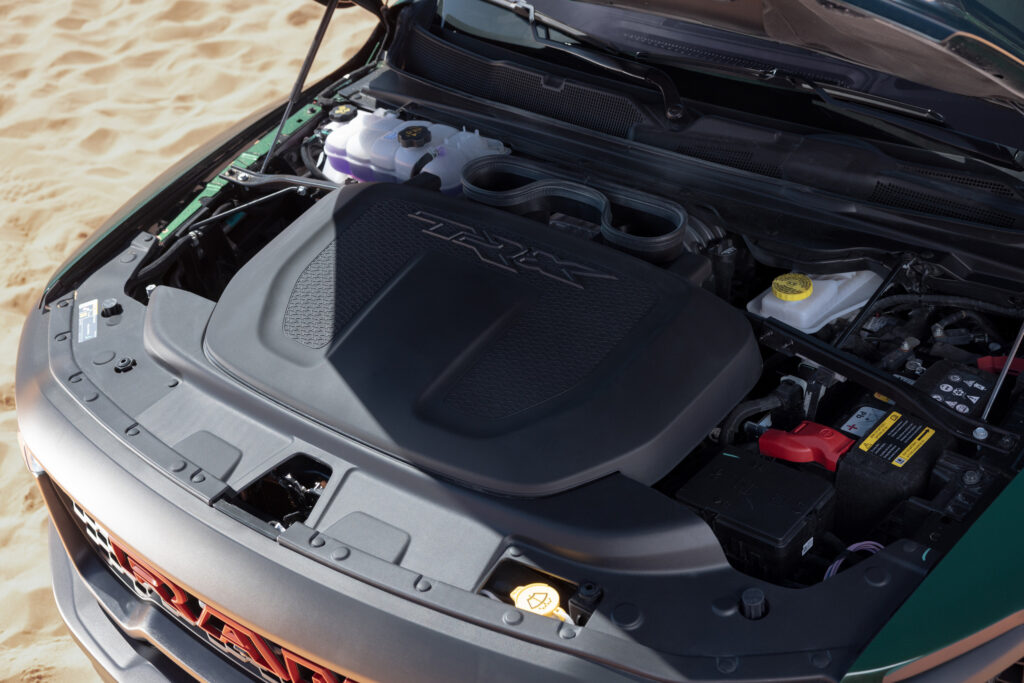
The STR division has returned, and its head, Tim Kuniskis, recently unveiled the 2027 model year Ram 1500 SRT TRX pickup. This model is notable for receiving the new Hellcat engine.
The supercharged 6.2-liter V8 engine produces 777 horsepower and 921 Nm of torque. This is 75 hp and 41 Nm more than the previous TRX version, and also 60 hp and 33 Nm more than the previous Dodge Challenger SRT Hellcat.
Dodge opens orders for the new Charger R/T, which costs $10,000 more than the old Hemi-powered version.
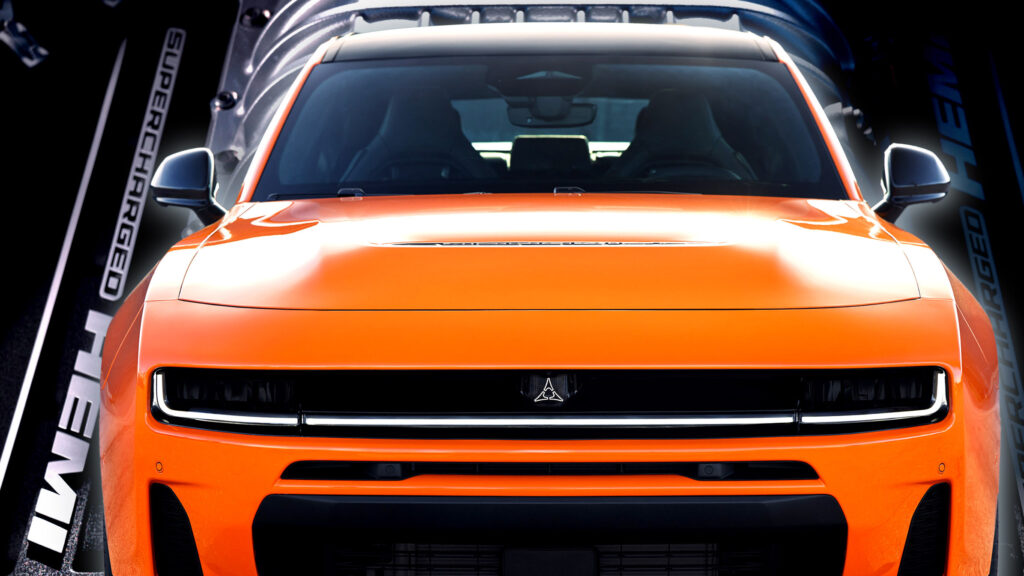
Such improvements are significant, and there is little doubt that this engine will eventually appear on other models. The Dodge Charger is a prime candidate, and Kuniskis recently confirmed this.

Strategy for the Charger
In a comment to Road & Track, the chief stated that the only way it makes sense to offer a V8 for the Charger is to “go all the way to the top, to the Hellcat.” This contrasts with Ram’s strategy, where the 5.7-liter V8 is offered alongside the turbocharged 3.0-liter Hurricane inline-six engine.
Power Difference
The situation is complicated by the fact that the 5.7-liter V8 produces only 400 hp and 555 Nm of torque. This is significantly less than the Hurricane engine’s figures: 426 hp and 634 Nm in the base version, and 558 hp and 719 Nm in the more powerful one. The latter figure also surpasses the characteristics of the 6.4-liter Hemi V8, which delivers 482 hp and 637 Nm.
Although Dodge could theoretically offer all these engines for the Charger, it wouldn’t make much sense. As Kuniskis explained, dealers would simply throw up their hands and say, ‘I can’t stock all of this. I’ll have to choose which specific models I want to sell.’


It is clear that the automotive industry, even in the performance muscle car segment, is at a crossroads between tradition and efficiency. Dodge’s decision to focus on the top-tier V8 for the Charger, abandoning mid-range options, indicates a clear course towards creating a “halo” product for enthusiasts while simplifying the lineup for dealers. The success of this strategy will depend on whether buyers are willing to pay a significant premium for the flagship engine, or if they will prefer more affordable but technologically advanced turbocharged alternatives. The future will show whether this powerful Charger becomes the last hurrah of the big naturally aspirated V8 or just another stage in the evolution of performance cars.