 by
by Kia’s Color Palette Is Becoming More Conservative
Kia cars continue to enjoy high demand in the US, where the brand recently reported record sales for 2025. However, upon closer inspection, one detail becomes apparent in which the company seems to strive to remain inconspicuous — colors.
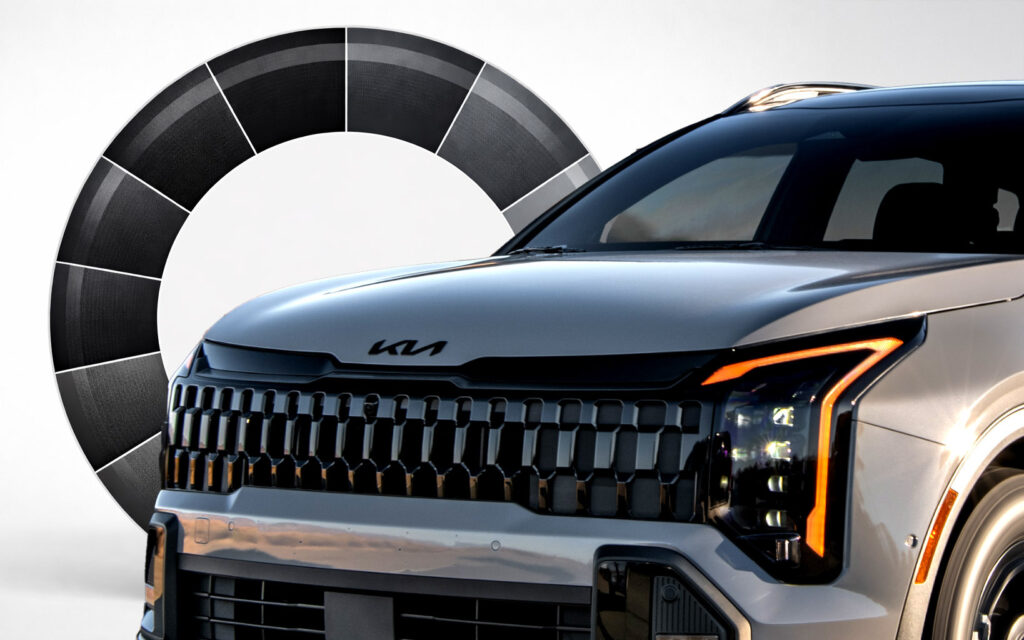
Despite a wide model lineup, Kia’s paint palette leans towards conservative tones, with almost no bright, bold, or even slightly experimental shades. The selection consists almost entirely of dull grays, whites, and blacks, leaving few opportunities for those who want their car to stand out at least a little.
Sportage — The Most Striking Example
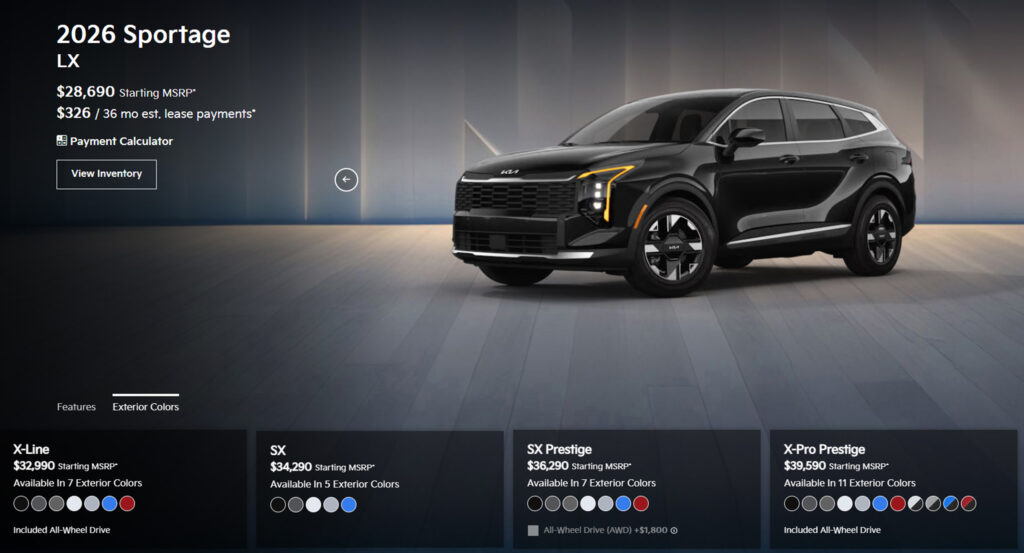
The most indicative in this regard is the 2026 Sportage model. Depending on the trim, Kia offers as many as nine different shades of gray, white, and black, plus two two-tone options combining gray and black. If you want your Sportage to attract attention, the only options are Nebular Blue, Runway Red, and their two-tone versions with Ebony Black roofs.
For the base Sportage EX trim, the choice is even more limited. It is only available in Ebony Black, Fusion Black, Gravity Grey, Panthera Metal, Steel Gray, Glacial White Pearl, and Snow White Pearl. In other words, no bright colors.
Other Models Also Follow the Trend
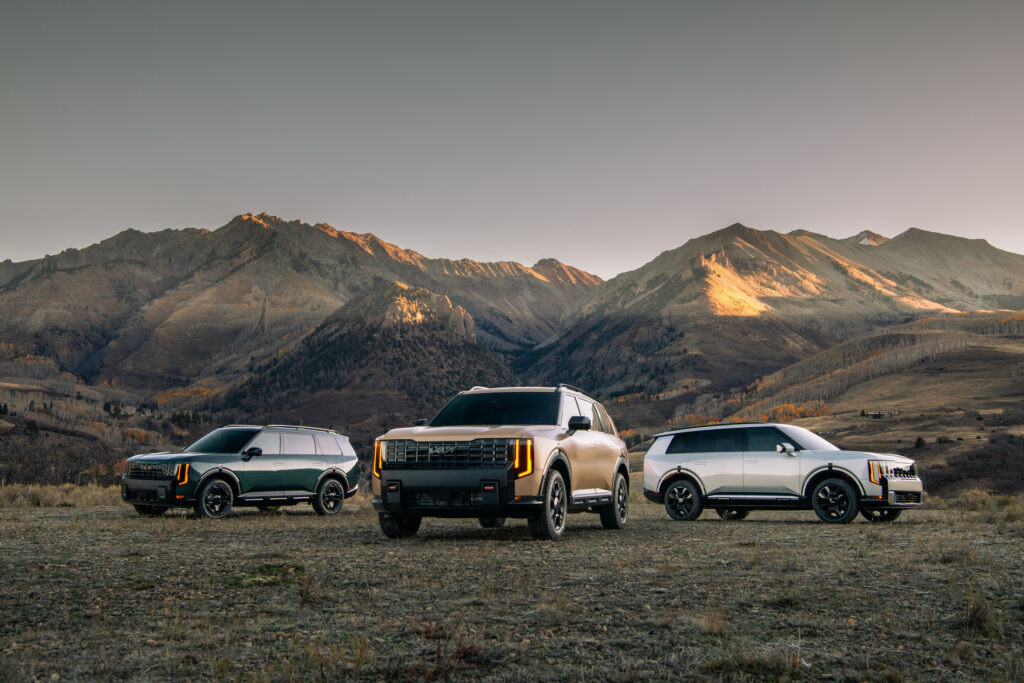
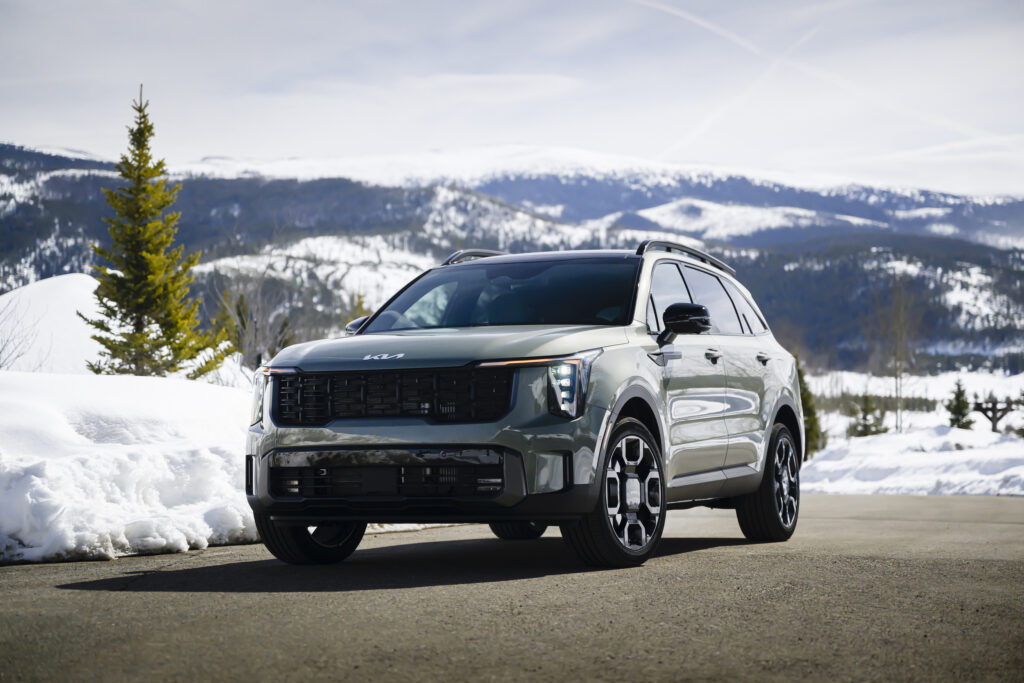
Sportage is not the only Kia model leaning towards monochrome tones. For example, the larger Sorento is mainly available in gray, black, and white colors. The exceptions are Mineral Blue, Cityscape Green, and Volcanic Sand, which is essentially gray with an earthy tint.
A similar situation is with the Kia Telluride. Only six colors are available, and the only colorful ones are Dark Moss and Midnight Lake Blue, both quite restrained. In the K4, K5, and EV6 models, if you don’t want black, white, or gray, your only alternatives are blue and red.
Why Are Bright Colors Disappearing?
No matter how much we love brightly painted cars, the demand for them is low. Last year’s research showed that in 2023, the color white had a dominant share of 27.6% among all new cars. It was followed by black (22%), gray (21.3%), and silver (9.1%). The most popular non-achromatic shades were blue (8.9%) and red (7.3%).
Together, 80% of new car buyers last year chose monochrome paint, compared to 60.3% in 2004.
So, while Kia may be playing it safe, it is not alone in this trend. Manufacturers are simply responding to market preferences.
This shift towards a neutral palette may be related not only to demand but also to practical considerations, such as better repairability, fade resistance, and potentially higher liquidity on the used market. Furthermore, in an era where many automakers emphasize production sustainability, a limited palette can simplify logistics and painting processes, reducing the environmental footprint. Meanwhile, for buyers who still seek individuality, options remain with custom trim packages, accessories, and vinyl wraps, allowing them to stand out against a sea of gray, white, and black cars.