 by
by Finding a Balance Between Screens and Buttons
Touchscreens are taking over car dashboards, but this is causing mixed reactions. As screens become larger and more important, a debate is unfolding about what they are replacing. Kia does not consider this issue settled. Instead of choosing one side, the company is taking a middle ground. Screens will continue to grow, but physical buttons will also remain.
This is not about a system where only one path can be successful. Kia aims to offer both approaches together to satisfy customers on both sides of the barricade.
Future models will continue the brand’s balanced approach, combining larger screens and advanced software features with real, tactile controls for core functions. The goal is not novelty for novelty’s sake, but usability.
These are the words of Jochen Paesen, head of Kia’s interior design department, who expressed his position in an interview with Autocar magazine.
Physical Control for the Most Important Functions
Jochen Paesen explained that certain functions need to be found instantly, and mistakes cannot be allowed, so they are kept physical. Based on this, Kia plans to expand the “digital and experiential component” of its interiors.
If accessing a function requires three steps [in a menu], it’s bad for everyone. People have very basic needs.
He also noted that while some brands may be successful with fully digital interiors, Kia’s global reach requires a more universal approach. Research in different markets shows a simple truth: in this matter, all people are the same.
Responding to Driver Frustration
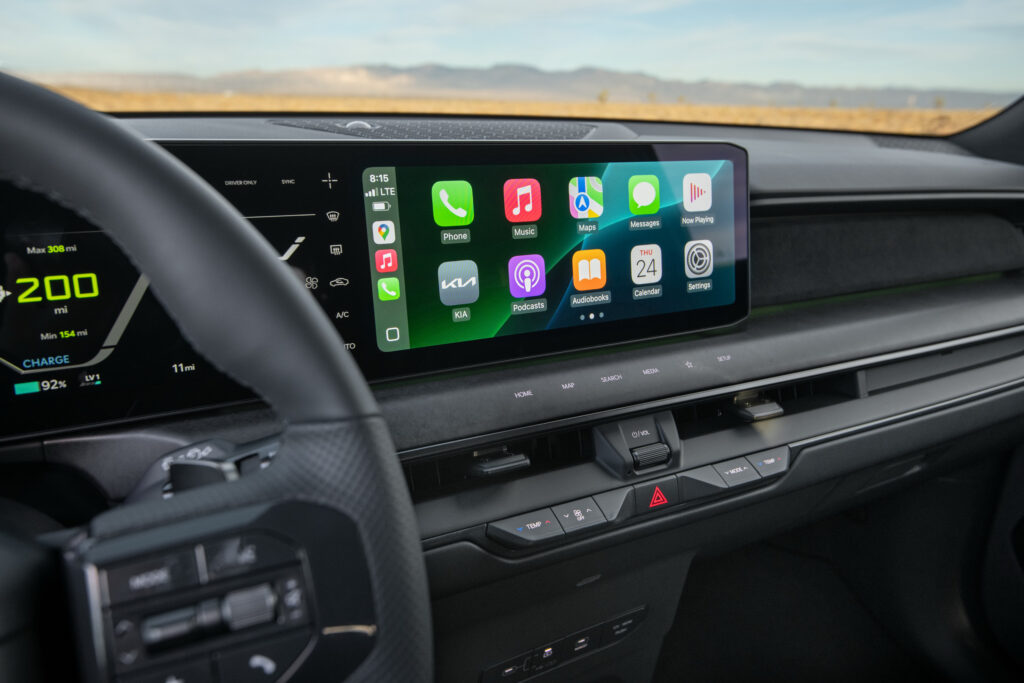
This philosophy responds to growing frustration among drivers. The problem is not only in interiors overloaded with screens, but also in half-measures. Kia’s current panel with switchable tactile feel, which toggles between climate control and media management, works better than some counterparts, but still creates unnecessary friction.
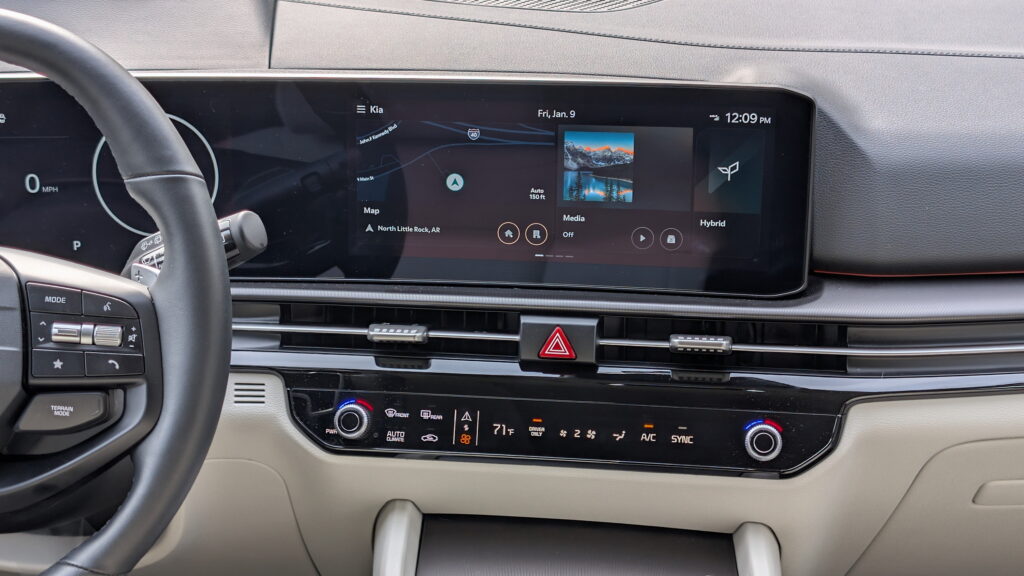
When there is enough space on the dashboard, forcing drivers to switch modes just to adjust volume or temperature feels like an avoidable compromise. If you miss the switch without looking, you can accidentally turn on the heater instead of increasing the sound.
Paesen suggested that future interfaces should evolve from tools the driver must learn to systems that actively reduce the number of steps and mental load. This is something no automaker has fully managed to implement yet.
The Influence of Chinese Competitors
The design chief also acknowledged that new Chinese competitors have pushed boundaries by offering features no one asked for, sometimes very impressively.
You have to give them credit for pushing ideas where you think: ‘I didn’t know I needed that.’ Maybe it’s not needed, but they did it, and that must be respected.
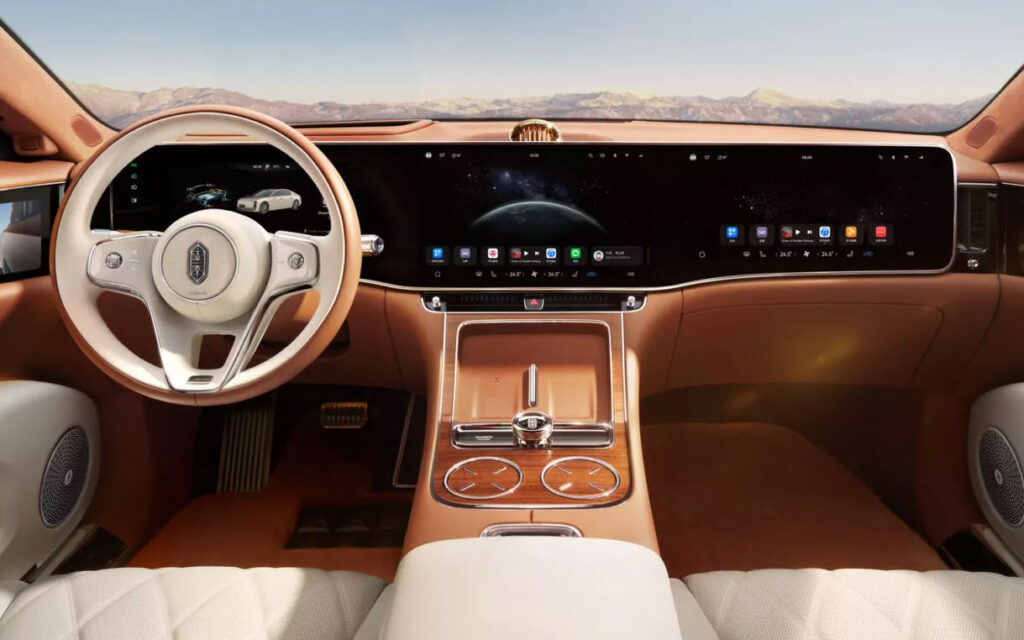
Nevertheless, he believes the industry is entering a new phase. Novelty is great, but the next stage will bring a lot of value that can be found and added. This is where, in his opinion, brands can begin to shape their own “taste, approach, and interaction logic.”
The New Pleos Connect Infotainment System
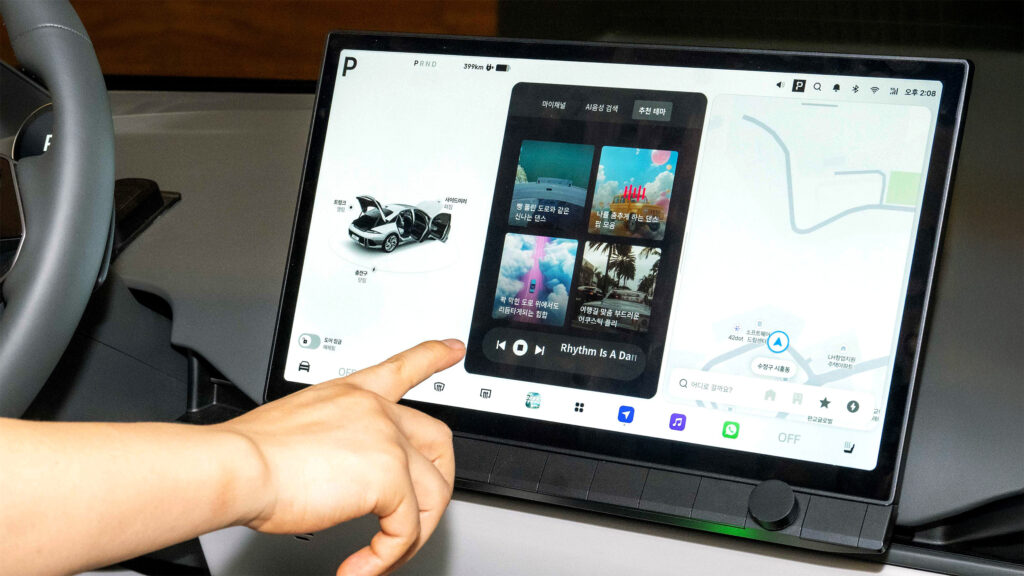
Kia’s future software platform could help solve all these problems. The new Pleos Connect infotainment system, first shown in concept form, combined a larger display with a large row of physical buttons beneath it. Such a combination of two control types may prove to be the way forward for everyone in the end.
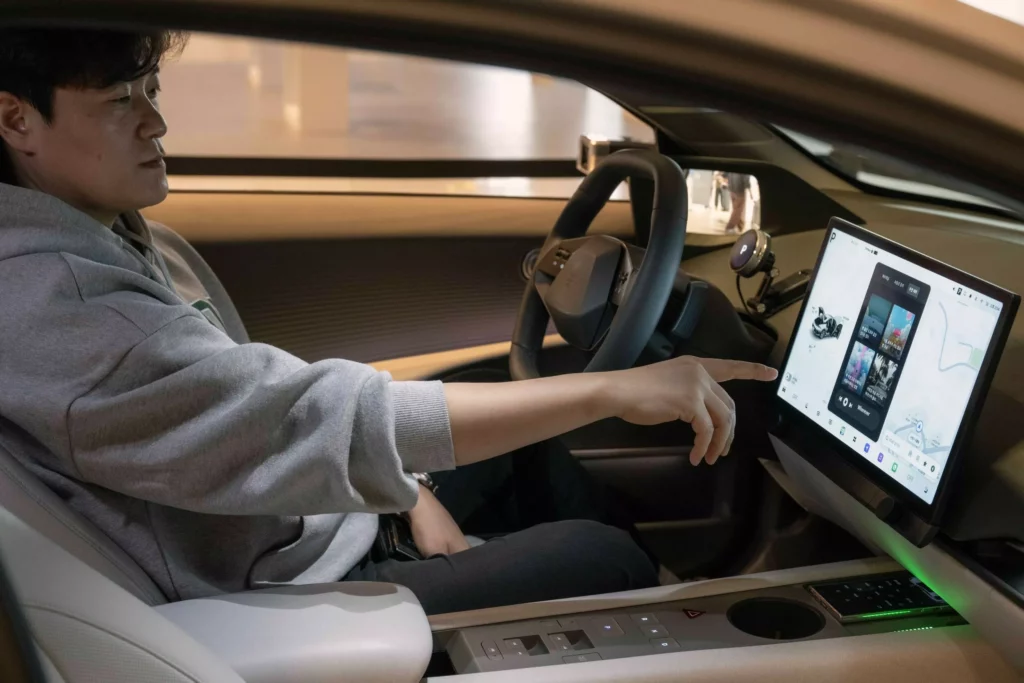
Kia’s approach indicates maturity in an industry that often chases trends. Instead of radically abandoning physical control or blindly following the screen fashion, the company is betting on ergonomics and safety. This could become a competitive advantage, as many buyers are beginning to value simplicity and intuitiveness. The success of Pleos Connect and similar developments could force other manufacturers to reconsider their interior decisions, focusing on practicality, not just technological sophistication. The future of the car interior will likely be hybrid, where technology serves the human, not the other way around.