 by
by End of the Era of Futuristic Steering Wheels
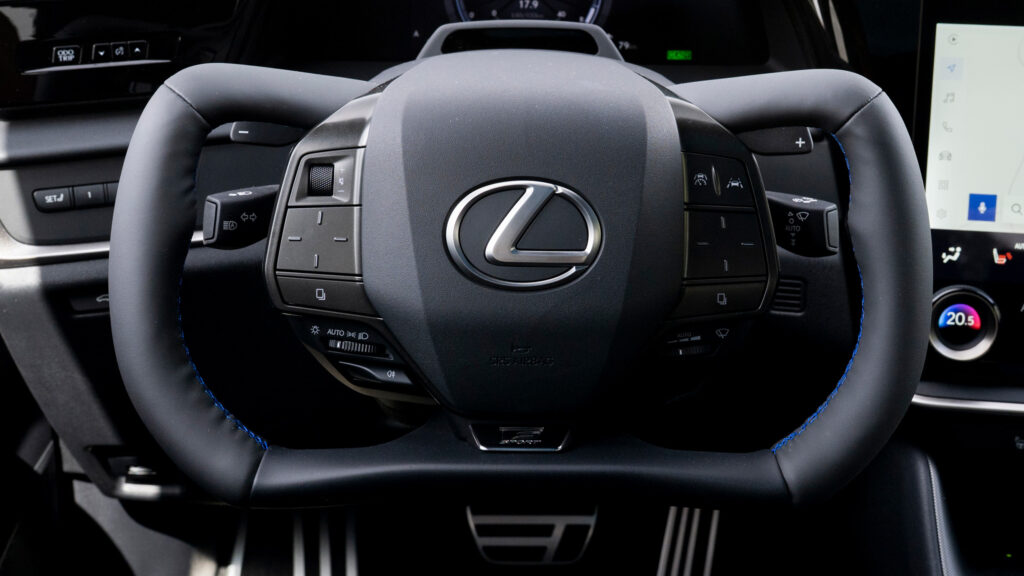
Chinese residents hoping their next electric car would be equipped with a spaceship-style yoke instead of a regular steering wheel have received bad news. New government safety rules mean that half-round steering wheels will completely disappear from new cars starting next year, similar to retractable door handles.
China’s Ministry of Industry and Information Technology has published a draft of a new mandatory safety standard that will come into effect on January 1, 2027. Among the legal wording is a clear message: yoke-style steering wheels, optionally available on some Tesla models, are undesirable.
The updated set of rules replaces the long-standing 2011 standard and strengthens crash safety requirements. It aligns steering wheel impact forces with international norms and reduces the permissible horizontal load to 11,110 newtons in accordance with UN regulations. It also establishes stricter limits on how far the steering column can move up or back in a crash.
New Testing Requirements
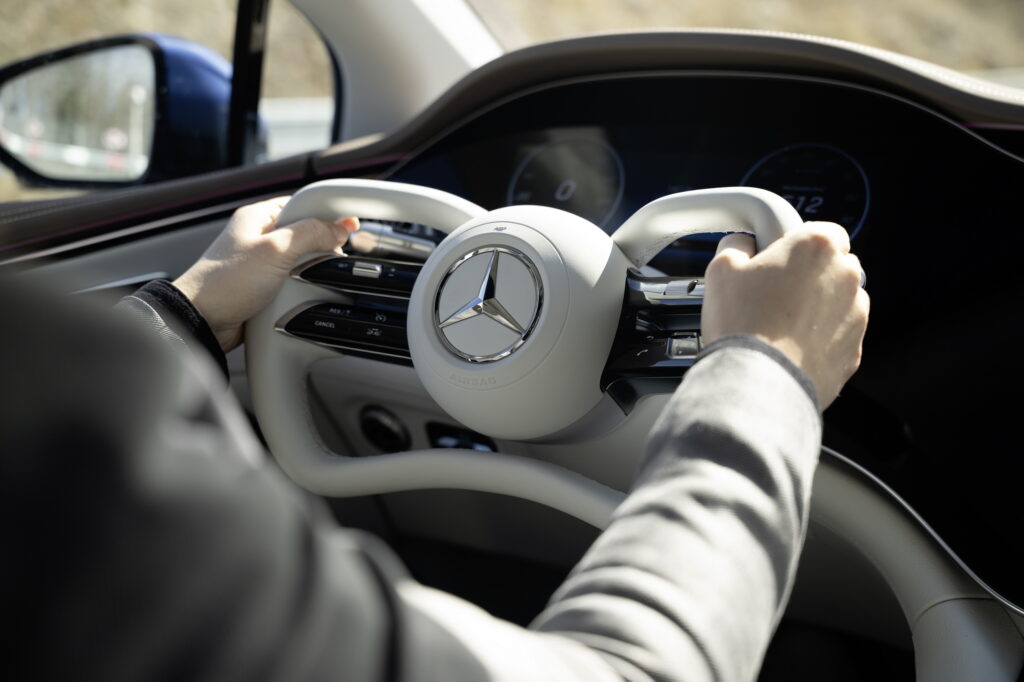
However, the real news is what the new standard requires from the steering wheel itself. Regulators now demand impact tests at 10 specific points around the steering wheel rim, including the middle of the weakest section and the shortest unsecured segment. If your steering wheel lacks the top half, these points simply do not exist. This, to put it mildly, makes compliance difficult.
Round Wheels Are Safer
Chinese officials cite crash data indicating that 46 percent of driver injuries come from steering mechanisms. A traditional round wheel provides a large buffer zone if the driver pitches forward in a collision. A half-round wheel may allow the body to slip past the rim during secondary impacts, increasing the risk of injury.
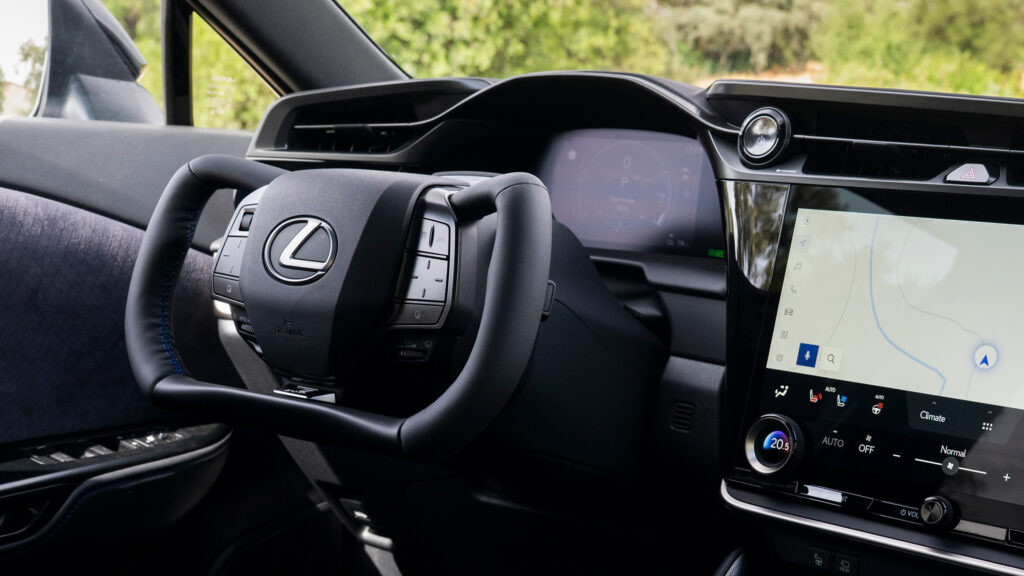
Airbag deployment is another pain point. The new rules prohibit the presence of hard projectiles aimed at passengers during airbag inflation. Due to their unusual shape and support structures, yoke wheels create unpredictable fracture patterns.
Maneuvering Issues
There are also complaints about everyday usability. Unlike Formula 1 cars with tiny steering ratios, most road cars require large turns for parking and U-turns. Many Tesla drivers report difficulties when maneuvering in urban conditions, although the Lexus RZ attempts to minimize this by using an ultra-high ratio at low speeds in its off-road steer-by-wire system.
When 2027 arrives, all new models seeking sales approval will have to meet the requirements, while existing cars will get about 13 months to adapt.
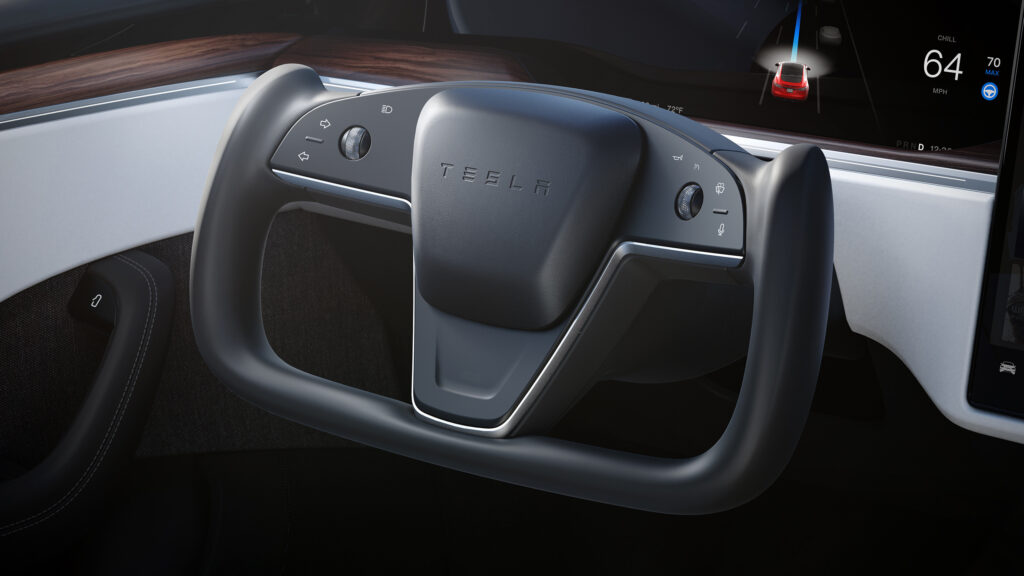
This decision by Chinese regulators could set a precedent for other major auto markets. While yokes offer a “futuristic” aesthetic and certain advantages for autonomous driving, their safety and ergonomics in extreme situations remain questionable. The transition to systems like steer-by-wire, which technically can work with any steering wheel shape, still faces fundamental physical limitations of human protection during a collision. The question of whether this step will be adopted globally remains open, but it will certainly force automakers to reconsider priorities between design and unconditional driver safety.