


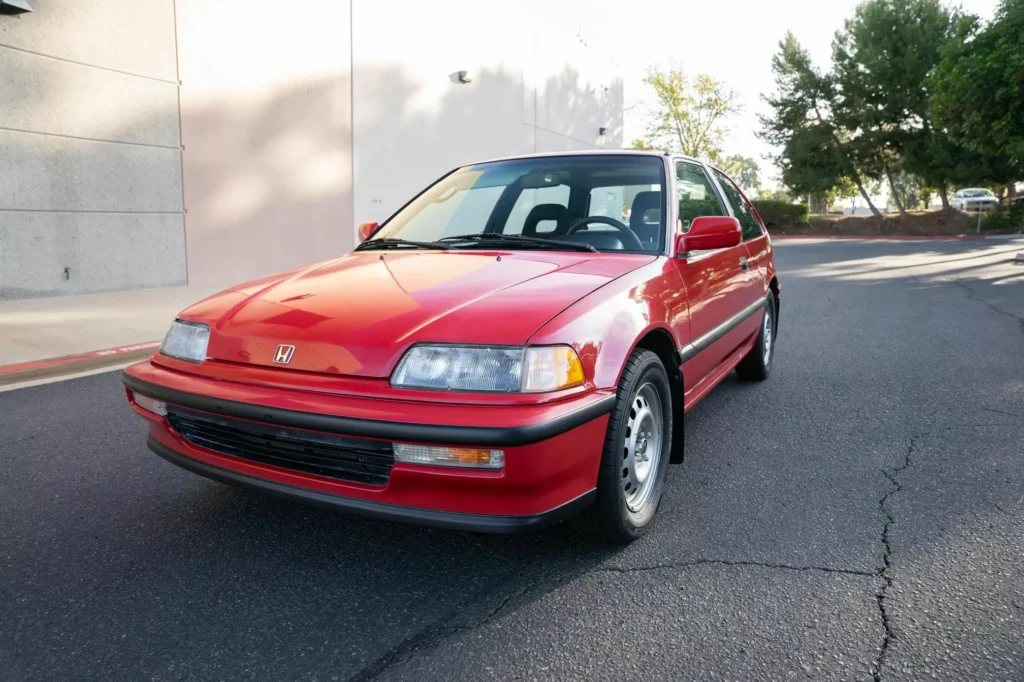
A generation ago, the term “classic car” most often evoked memories of something exotic, desirable, and rare. Such cars were preserved because they were always considered special. Today, however, more and more ordinary, unremarkable cars are being saved from the scrapyard, as enthusiasts embrace the concept of affordable classics.
Insurance data confirms this: companies like Hagerty are seeing a rise in the number of “everyday” classic models. Forget the vintage Corvettes so loved by baby boomers. The new wave of ownership comes from millennials and Generation X with their love of modest cars from the 90s and 2000s. At the same time, Generation Z is the fastest-growing customer base for classic car insurers: policy numbers rose by 48 percent.
Nostalgia drives trends
It’s not simply that old cars remain on the roads. More and more owners are taking out classic insurance policies on cars like a 2000s Corolla. Such policies limit the permitted annual mileage because drivers are not supposed to use the car daily, but in return they get lower premiums. Payouts under these policies are also usually larger, so traditionally they suited rarer and more valuable cars.
Hagerty has doubled its number of insured Honda Civics and Toyota Corollas from the 2000s in three years. According to Brian Rabold, vice president of automotive analytics at Hagerty, nostalgia is a key factor.
“People collect or buy what left an impression on them when they were younger,” Rabold said.
The cars that shaped us
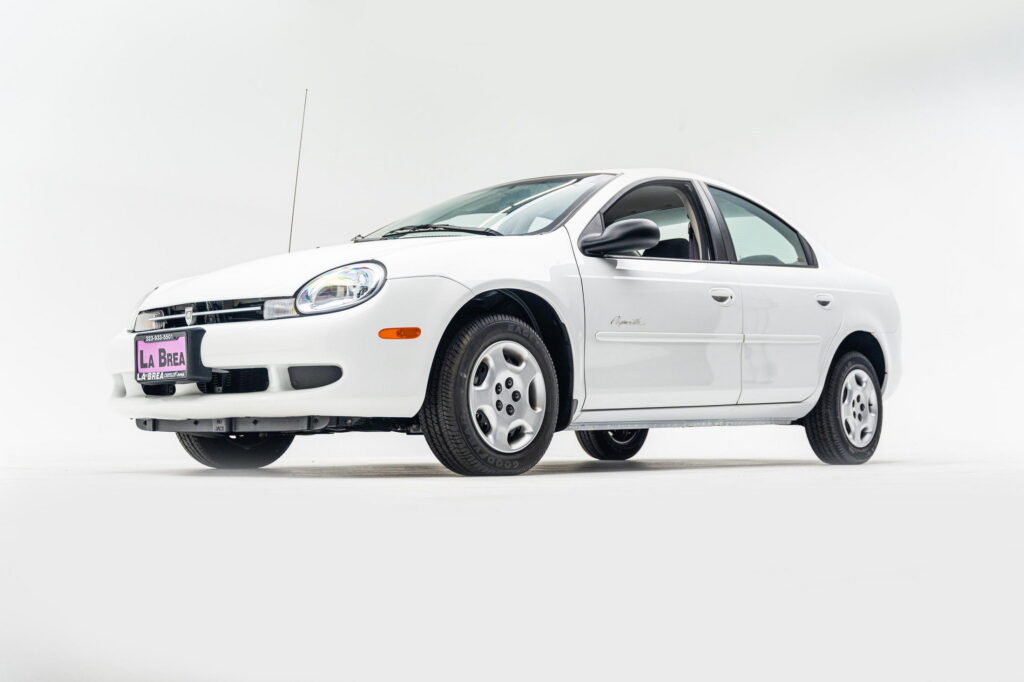

Love for 90s and 00s cars spans a wide range of people, as many acknowledge that the less desirable old cars of that era can be no less interesting to drive. 19-year-old Dominic DeLettere decided to buy a Chevrolet Cavalier at age 15, saving $3,000 since he was 7.
Another 19-year-old collector, Adam Scipione, claims his 1996 Buick Roadmaster draws more attention than his pristine 1984 Corvette. The woody wagon is often the only one of its kind at car shows.
This phenomenon is not only American. In Britain, a similar passion for everyday classics has helped boost the popularity of events such as the Festival of the Unexceptional. This year tickets sold out completely — 4,500 visitors attended, and 2,500 cars turned up for the show. Top awards went to a Volkswagen Polo E, a Toyota Previa, and a Ford Focus.
This trend points to deeper shifts in car culture. While prices for “true” classics are soaring, younger generations are finding their own path into the world of retro cars. For them, the special value lies not in exoticism or rarity, but in personal memories and emotional connection with cars that were part of their everyday lives. Affordable classics open the door to the hobby for those who previously could not afford expensive collectible models, and this makes the car enthusiast movement far more diverse and vibrant.