



Brand Trust and an Unexpected Denial
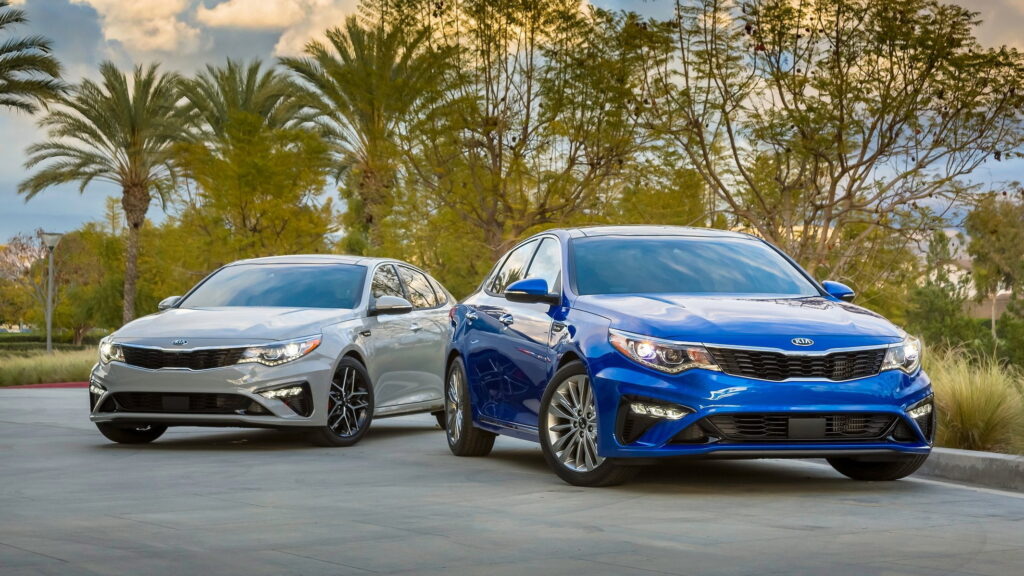
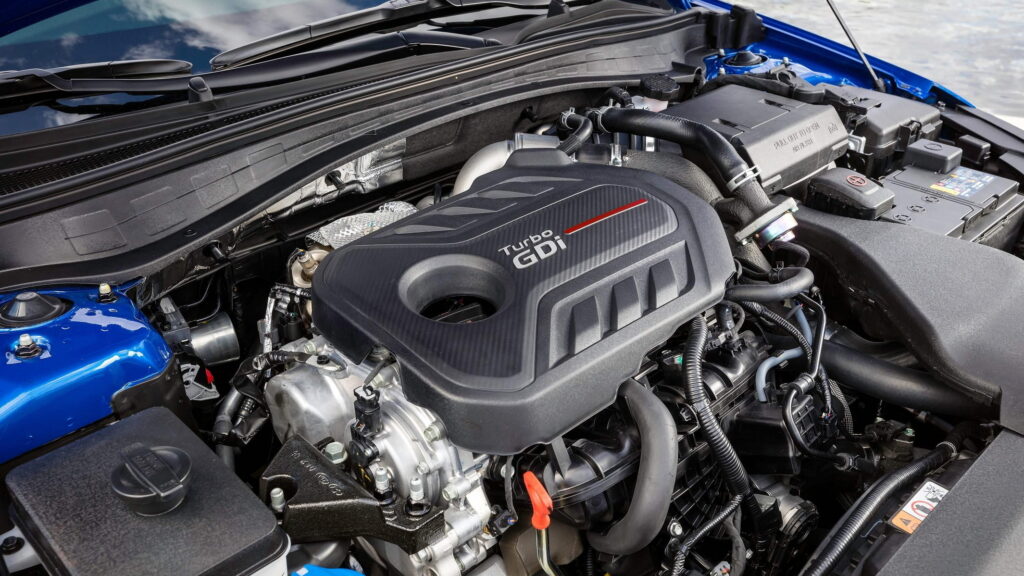
Prices for new and used cars continue to rise, forcing many owners to save on maintenance. Jamie and Debbie Recasie from Brookline, who initially leased and then purchased a 2019 Kia Optima, relied on the brand’s long-term powertrain warranty covering 100,000 miles. They meticulously followed the service schedule, including regular oil changes. However, when the engine failed, Kia rejected the warranty claim. The company reversed its decision only after a local television station began an investigation.
The Recasie family, who have only one car, scrupulously documented everything related to their Optima: oil changes, brake service, even tires. When the engine failed, they provided these documents, including 14 different records of oil changes—on average every 5,700 miles. The oil changes were performed by their son, a professional mechanic, with receipts issued by his shop.

Warranty Fine Print and Denial Tactics
Despite the provided documentation, Kia denied warranty service, citing that the receipts did not specify the vehicle identification number (VIN) and mileage. Michael Brooks, a representative from the Center for Auto Safety, noted that such denials are a fairly common practice.
Often the first tactic is to reject the claim and hope the consumer simply backs down
He also emphasized that the Magnuson-Moss Warranty Act places the burden of proof on the manufacturer: it is the company that must prove that the lack of proper maintenance caused the failure. In other words, maintenance performed by the owner or a private mechanic should be entirely acceptable.
Reversal of Decision Under Public Pressure
After journalists contacted Kia for comment on this case, the company abruptly changed its position. In an official statement, Kia reported that “based on the principles of customer satisfaction and service quality, the customer care department approved the engine replacement.” While the Recasie family ultimately got the expected result, the question arises: what would have happened if they hadn’t been able to attract public attention through the media?
A Systemic Problem Extending Beyond One Brand
This case is far from the first time we’ve heard about warranty service issues with Kia, Hyundai, or Genesis. However, these brands are by no means the only automakers with dissatisfied customers due to warranty coverage denials. The peculiarity of these Korean brands lies in the fact that they offer exceptionally long and attractive warranties for new cars compared to competitors.
On paper, it looks great, but the real test is how Kia, Hyundai, and Genesis handle warranty obligations in real life. It is the reputation for exceptional service that could become the factor forcing giants like Toyota or Honda to take note. For now, it is quite likely that without consumer trust, which is shaped by such stories, brands will find it difficult to compete in key segments, such as compact crossovers.

This situation clearly demonstrates the dissonance between marketing promises and real-world service practices. Even with detailed documentation from the owner, the system initially works to filter out claims, relying on technical formalities. Such cases can have a significant snowball effect on a brand’s reputation, especially in the age of social media, where each such story receives wide publicity. For many buyers, a long-term warranty is a key factor when choosing a car, and if it turns out to be merely on paper, it undermines the very foundation of the competitive advantage.