 by
by A Routine Visit to a Toyota Dealer Turned into a Serious Injury for a Customer
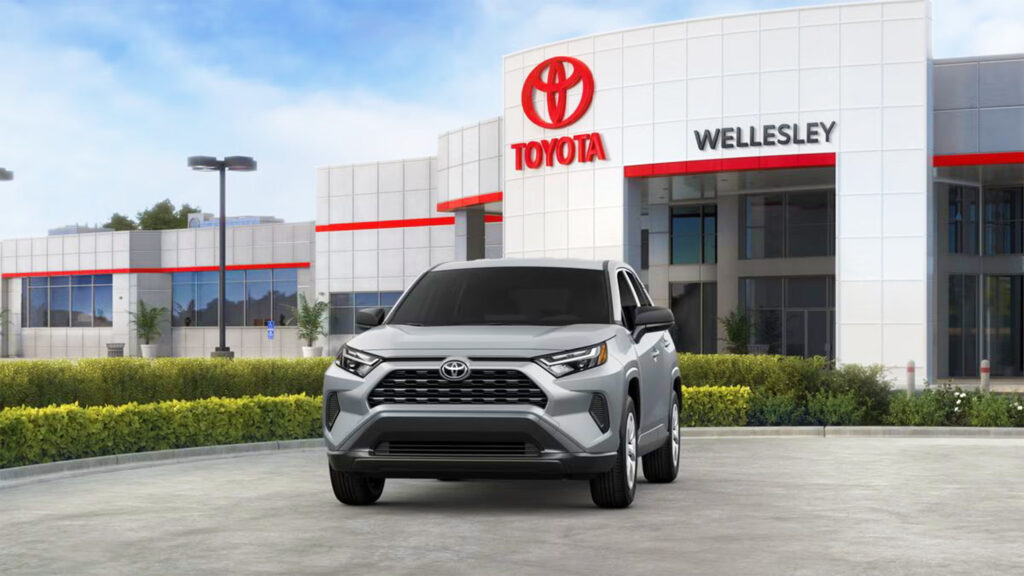
Sometimes even the most ordinary tasks can lead to unexpected and unpleasant consequences. In November 2022, Massachusetts resident Eric Abordajille arrived to pick up his car from a Toyota dealership. According to a new lawsuit, a dealership employee directed him to pass through the service department gate, which suddenly closed and hit the man on the head.
Key facts of the case:
The lawsuit, filed in the Norfolk County Superior Court, details that an employee of the Wellesley Toyota dealership allegedly instructed the customer to enter the department, after which the gate “suddenly and without warning descended and struck him on the head.” As a result of the incident, Abordajille sustained serious injuries.
The lawsuit accuses both the Toyota dealership and Rytec Corporation, which manufactured the gate.
Incident Details and Allegations
Court documents claim there were no signs or warnings in the service area advising customers to keep their distance. The lawsuit also accuses the Toyota dealer of breaching its duty to ensure customer safety and alleges that the gate was dangerously designed, manufactured, installed, or maintained.

Abordajille claims the blow caused him lasting injuries to his head, brain, and teeth. In addition to allegations of negligence against Wellesley Toyota, he also accuses Rytec of negligence and breach of warranty.
“At the time of the incident, the safety systems either were not functioning properly and/or failed,” the lawsuit states.
Representatives of both the Toyota dealership and the gate manufacturer declined to comment on the lawsuit.
Toyota’s Legal Troubles
This case is not the only lawsuit Toyota is facing. In October, a class action lawsuit was filed in California alleging that the automaker engaged in criminal activity by concealing serious defects in the Mirai hydrogen vehicle. According to the lawsuit, these vehicles are “ticking time bombs,” and it concerns anyone who owned or leased a Toyota Mirai from the 2016-2025 model years within the last four years.
This incident in Massachusetts highlights important issues of customer safety on the premises of car dealerships and service centers, which are often perceived as completely safe. It also raises the issue of responsibility not only for dealers but also for the equipment suppliers they use. Such lawsuits could have implications for safety standards across the entire automotive retail industry, forcing a review of protocols and equipment in areas accessible to customers. The success or failure of this lawsuit could set a precedent for similar cases in the future.