


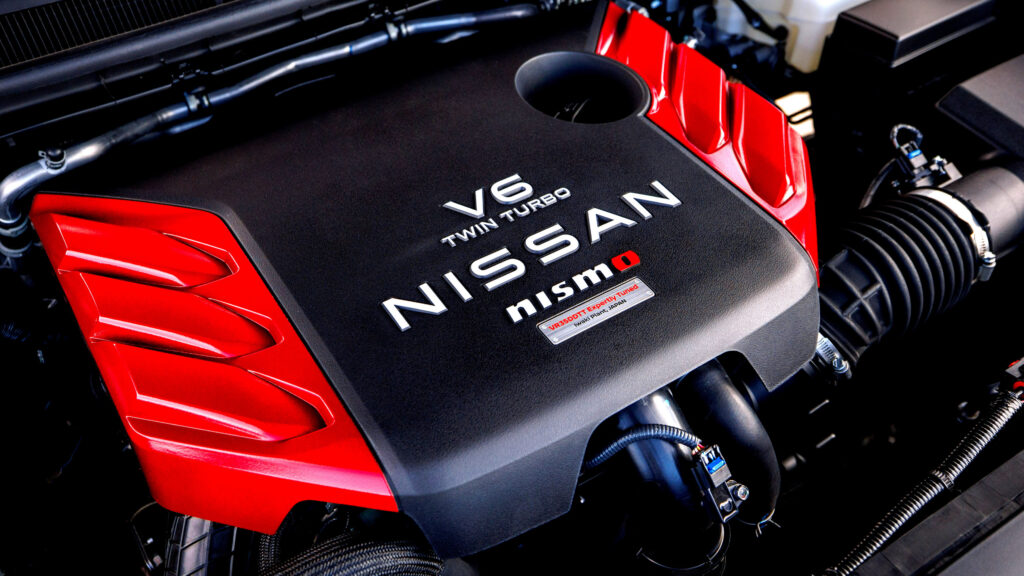
Nissan Limits Engine Oil Supplies: Priority for Warranty Customers
After the US attack on Iran, initial focus was on the sharp rise in gasoline and diesel prices. However, over the past few weeks, a new and escalating problem has become apparent.
This concerns the engine oil crisis, which seems to worsen with each passing day. The latest alarming signal is that automakers have begun rationing oil and deciding who will receive it.
More details: US engine oil supplies are running out, and your next change may confirm this
How Nissan is Distributing the Scarce Oil
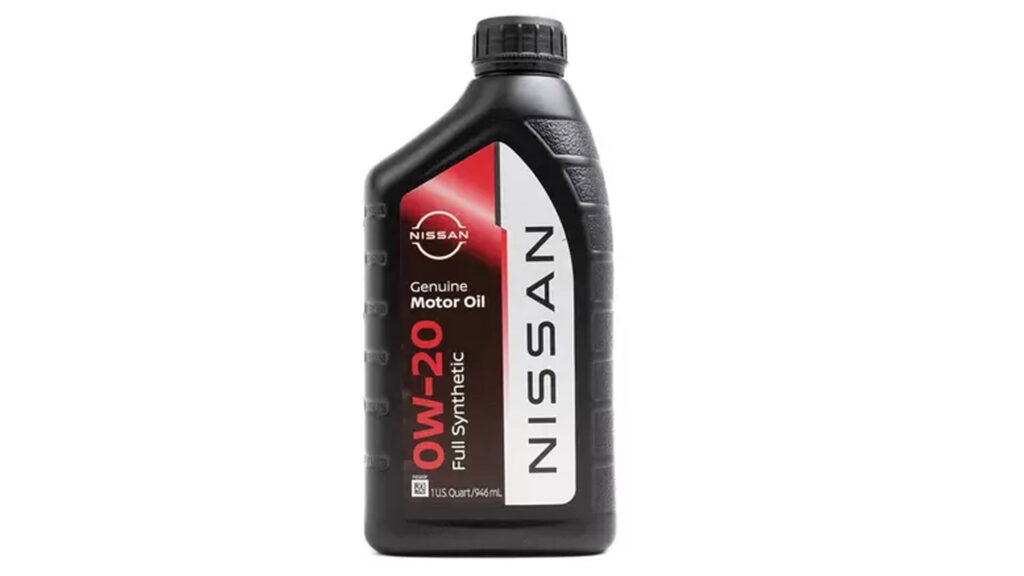
According to Automotive News, Nissan is rationing 5W-30 and 0W-20 oils, which are specially formulated to meet manufacturer specifications. Starting this week, supplies of these two synthetic oils to dealers have been reduced to 70% (5W-30) and 55% (0W-20) of last year’s volumes.
These are significant reductions. The publication cites a service bulletin instructing dealers to:
“Prioritize the use of genuine Nissan 0W-20 (and 5W-30, where applicable) oil for warranty, extended warranty, recall repairs, goodwill, and prepaid maintenance.”
This means if you come in for a routine oil change, you may not receive the specially formulated version.

The Problem Isn’t Just Nissan: Toyota Also Warns of Shortage
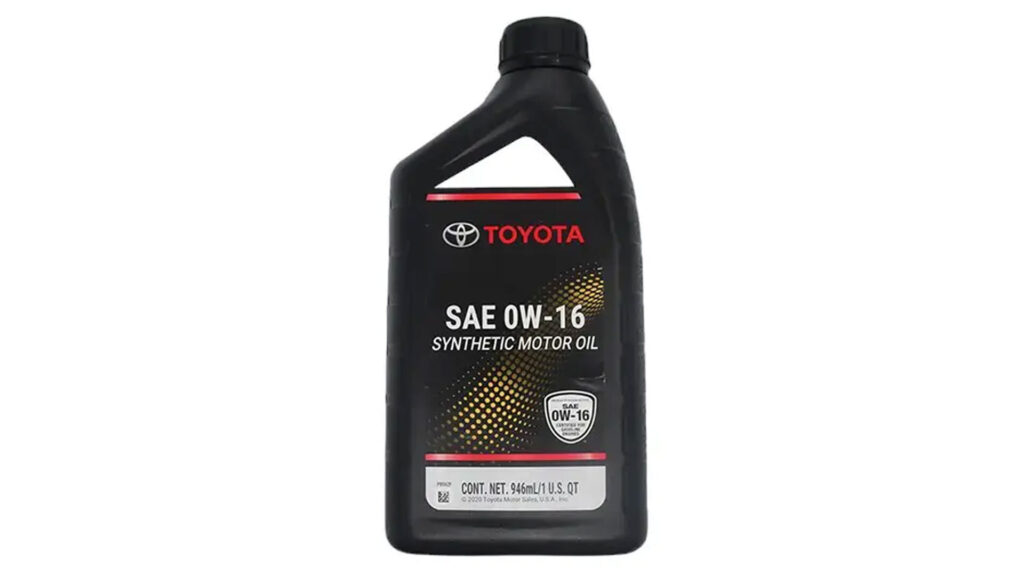
Nissan is not alone in this situation. Auto News reports that Toyota has warned its dealers about a potential shortage of 0W-8 and 0W-16 oils from ExxonMobil. Consequently, dealers were advised to “replace the engine oil” with alternative options.
Why Has the Engine Oil Crisis Emerged?
Although the US is a major oil exporter, the country imports nearly half of the so-called Group III base oils used to produce synthetic oil and other lubricants. This creates a huge problem. The publication reports that the Independent Lubricant Manufacturers Association predicts the US will “exhaust its supply of Group III base oils from the Persian Gulf region by June.” Experts add that the engine oil shortage could last until mid-2027 and even threaten the production of new cars.
Panic and Rising Prices
Unfortunately, the situation is driven by fear. As Arnold Gacita, CEO of Petra Automotive Products, explained:
“We are all grabbing for it and paying absurd prices… just to have it.”
Of course, these costs will ultimately be passed on to consumers.
The engine oil shortage situation, caused by geopolitical events and dependence on imported base components, is forcing automakers to take unprecedented measures. Rationing supplies and prioritizing warranty service for customers are becoming the new reality for dealers. At the same time, forecasts of the crisis lasting until 2027 indicate that this is not a temporary phenomenon but a systemic problem that could significantly impact vehicle maintenance costs and even the pace of new car production. Consumers should be prepared for rising oil change prices and possible restrictions in choosing the required product.