


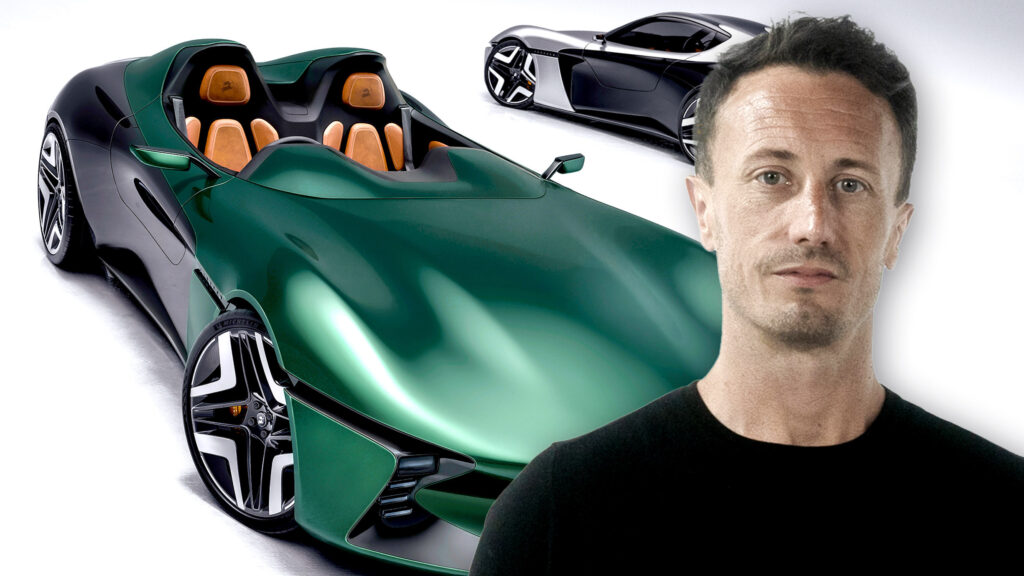
The company Longbow, founded by Tesla and Lucid veterans, offers a different perspective on electric vehicle development. Unlike the prevalent trend of increasing battery size, screens, and weight, they focus on lightweight construction and driver feel.
Engineering Philosophy Based on Physics
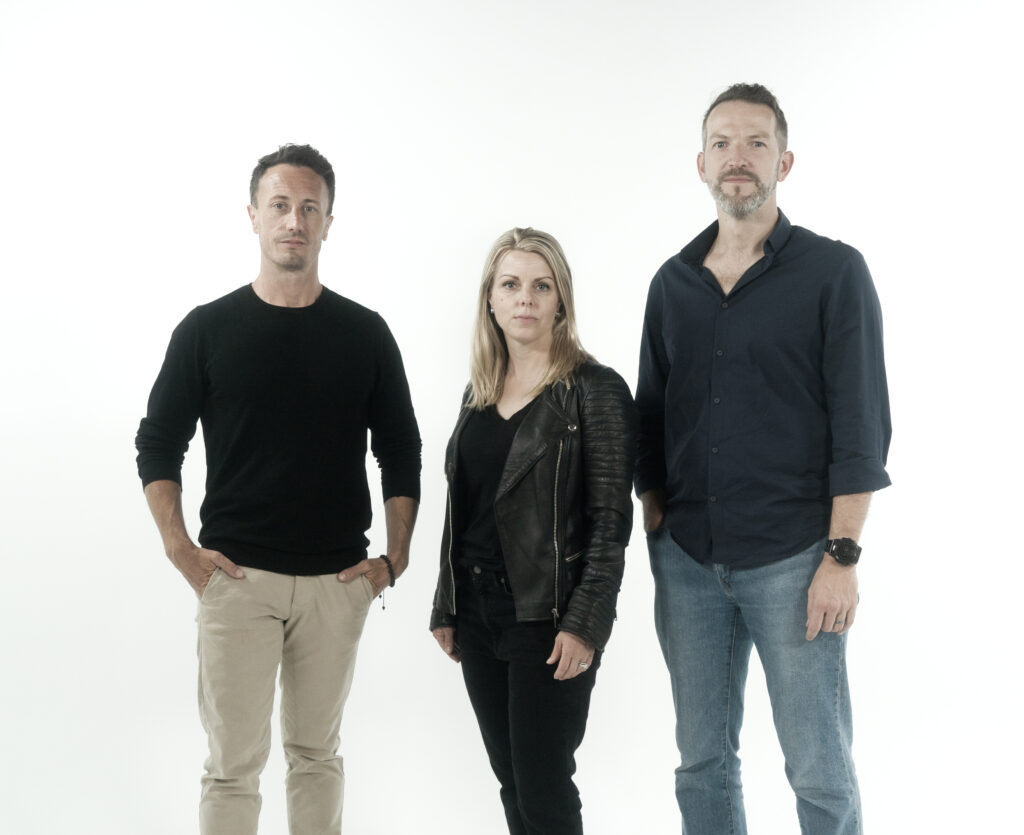
Longbow’s founders, Daniel Davey and Mark Tapscott, have experience working at Tesla and Lucid. Former X Shore CEO Jenny Keisu has also joined the leadership team. Their engineering philosophy is based on first principles, lightweight design, and rejecting the notion that electrification necessarily leads to oversized vehicles.
Mark Tapscott commented to Carscoops:
I think it’s just a reinforcement of resolve, to be honest. We are not pursuing vertical integration or speculative future technologies. We are focused on building a sports car using proven components that already exist.

This approach was reinforced by conversations with one of Tesla’s co-founders in the early stages. Tapscott recounted:
He explained to us… that this is exactly how they wanted to build Tesla 15-20 years ago. The supply chain just wasn’t ready then. Today it is ready.
Instead of spending resources on creating their own motors or factories, Longbow deliberately uses components with millions of kilometers of validation.
Battery Architecture and Body Rigidity
The company’s approach consistently returns to physics-based thinking. A prime example is the battery architecture. Instead of layering cells in multiple enclosures, the company questioned the necessity of these layers.
Cells go into an enclosure. That enclosure sits in another enclosure. And then it goes into a vehicle, which is another enclosure. So you get these extra layers of unnecessary weight and volume.
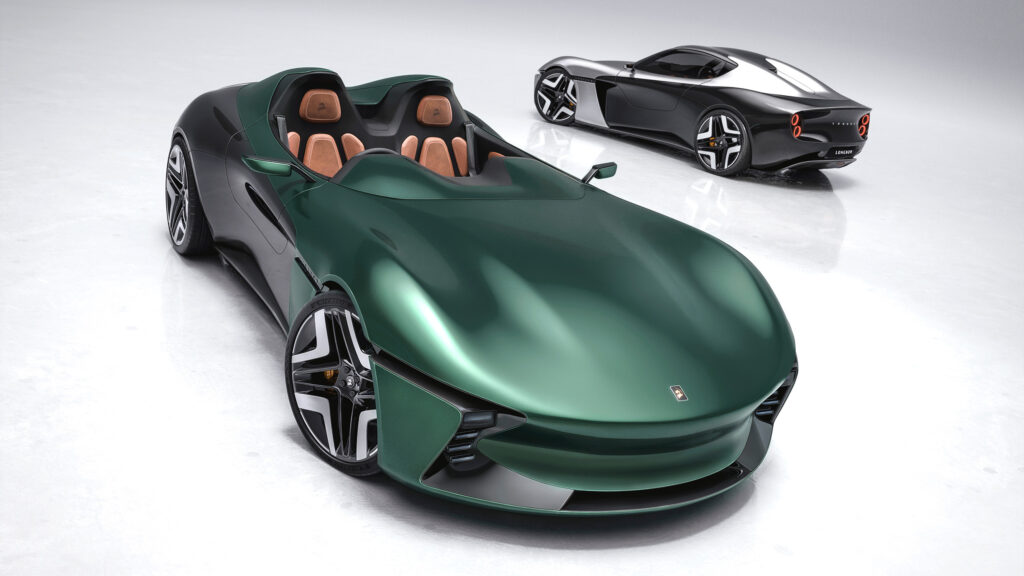

By eliminating these layers and integrating the battery structure directly into the chassis, Longbow claims to have achieved a significant increase in rigidity. According to Tapscott, the resulting structure is “at least twice as stiff as a Lotus chassis,” which is often cited as a benchmark for lightweight aluminum sports cars.

Hub Motors and Manufacturing Model
Longbow’s appearance at CES sparked much talk about hub motors. The brand announced a potential power output of 900 horsepower, but Tapscott was quick to clarify that what was shown was a demonstration, not a production specification.
The vehicle we showed at CES… was actually a demonstrator. The goal was to highlight the flexibility of the base chassis, not to show a finished powertrain.
For series production, Longbow adheres to what Tapscott described as a “beautifully engineered, tiny motor, almost like a watchmaker made it,” mounted inside the vehicle.
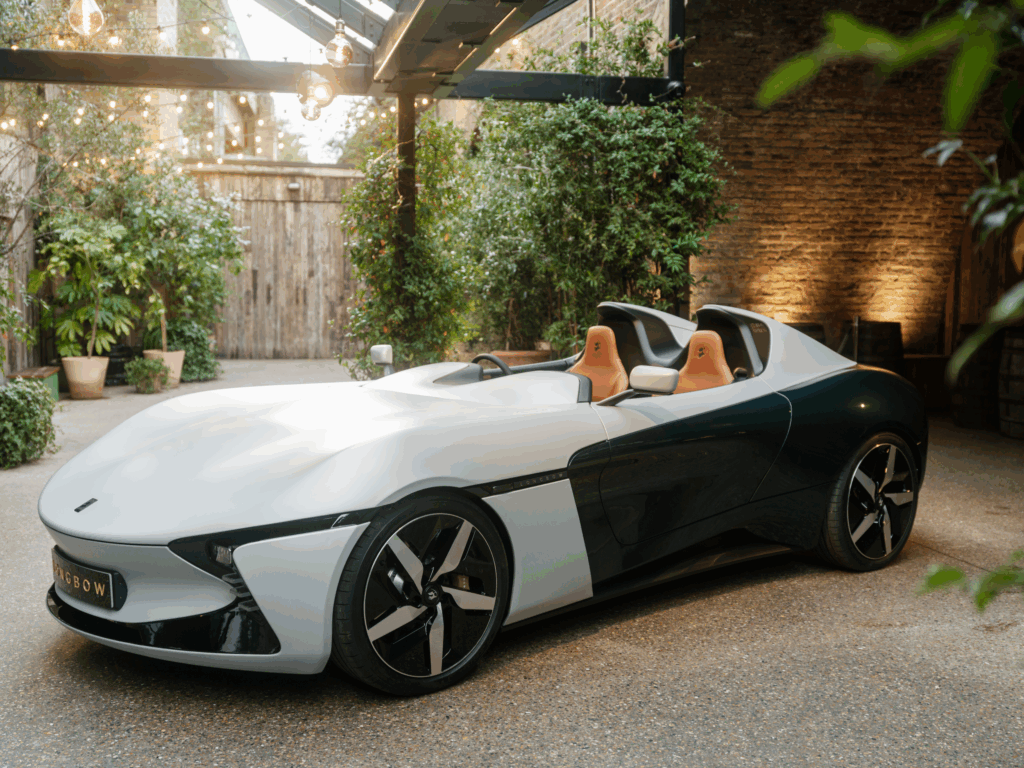

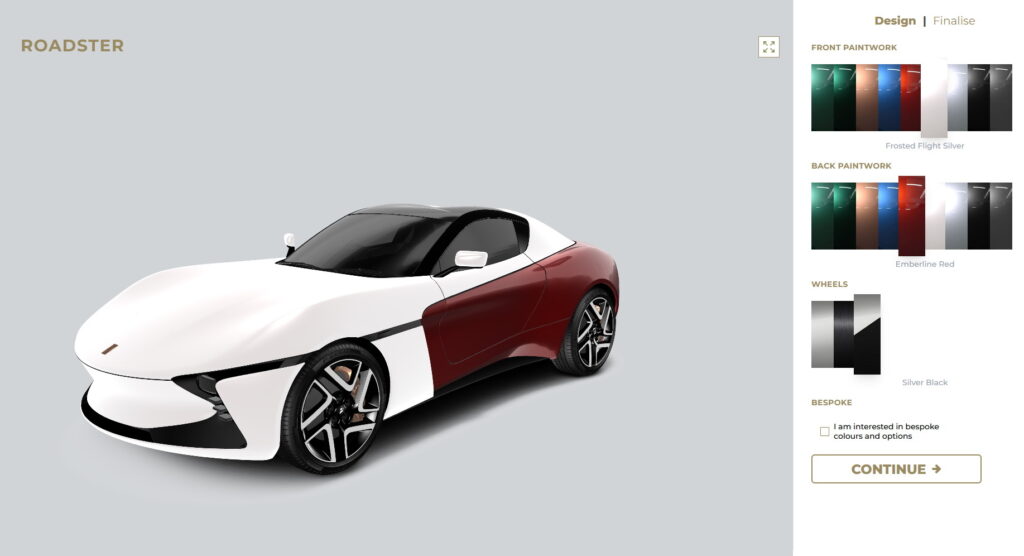
One of the least noticed aspects of Longbow’s approach may be the use of additive manufacturing not just for prototyping.
At this point, many of the development prototype cars we’ve produced have been fully 3D-printed on the outside.
In the future, this could change the way low-volume cars are supported and customized. Instead of maintaining warehouses full of body panels in various countries, parts could be printed locally, on demand.

Weight Reduction Philosophy and Driver Feel
When asked what they were most reluctant to spend weight on, Tapscott does not point to a specific component. Instead, he describes an internal philosophy that governs every decision.
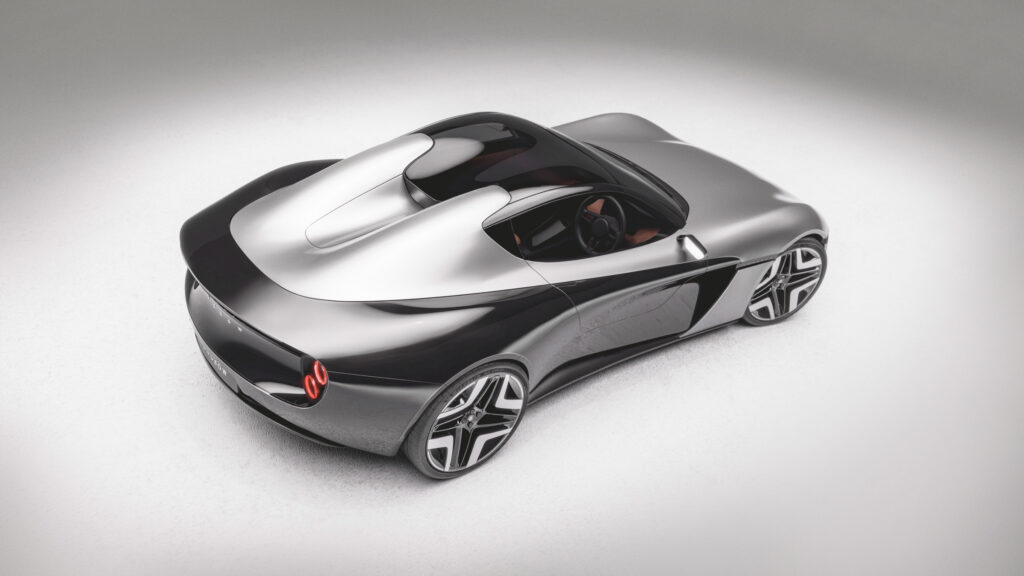
Our engineers are given two tasks. Every day they need to lose at least one gram from everything they design. And the second is that the best design they can make is no design.
This echoes the philosophy of Colin Chapman. However, Longbow does not pursue minimalism at any cost. Elements like a mechanical gear shift lever exist solely to enhance the experience.
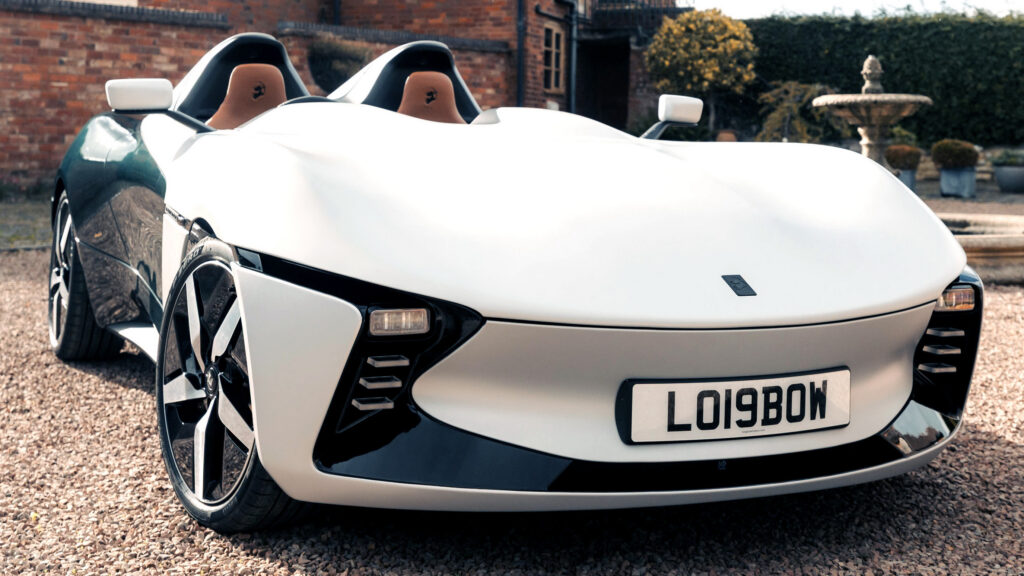

Ultimately, Longbow’s message is that electrification should not erase driver engagement.
An electric powertrain does not mean a D-segment SUV with all the extra cameras, weight, and everything else. Those two things are different.
Longbow wants its car to be a tool – powerful, precise, and rewarding, but only when paired with an engaged driver. Modern electric cars are often defined by their technology-laden approach, but this directly leads to increased weight. Longbow’s approach to cutting the superfluous could become its sharpest advantage in the market.
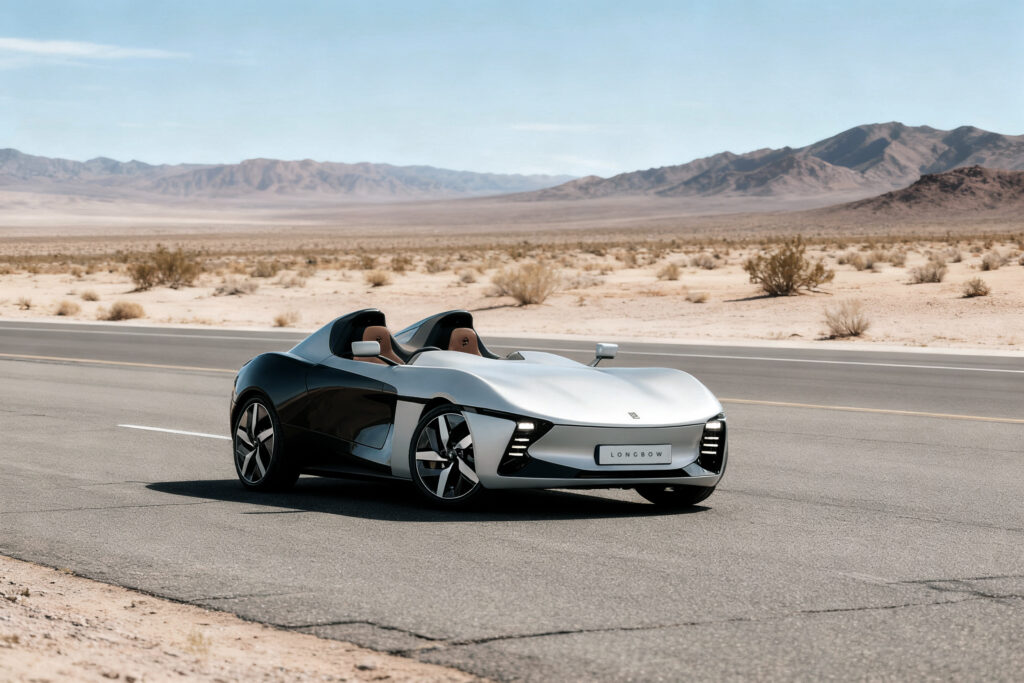

Longbow’s approach seems to return the electric car discussion to the basic principles of car building, where weight, balance, and steering feel are prioritized over the number of screens or autonomous functions. Their emphasis on local part production via 3D printing could also offer a new, more flexible model for niche manufacturers, potentially reducing logistics costs and simplifying customization. The success of this strategy will depend on the company’s ability to deliver the claimed performance, such as doubled body rigidity compared to Lotus, at a competitive price, which remains a primary challenge for any new player in the sports car market.