



Key facts
The car that came back after 15 years
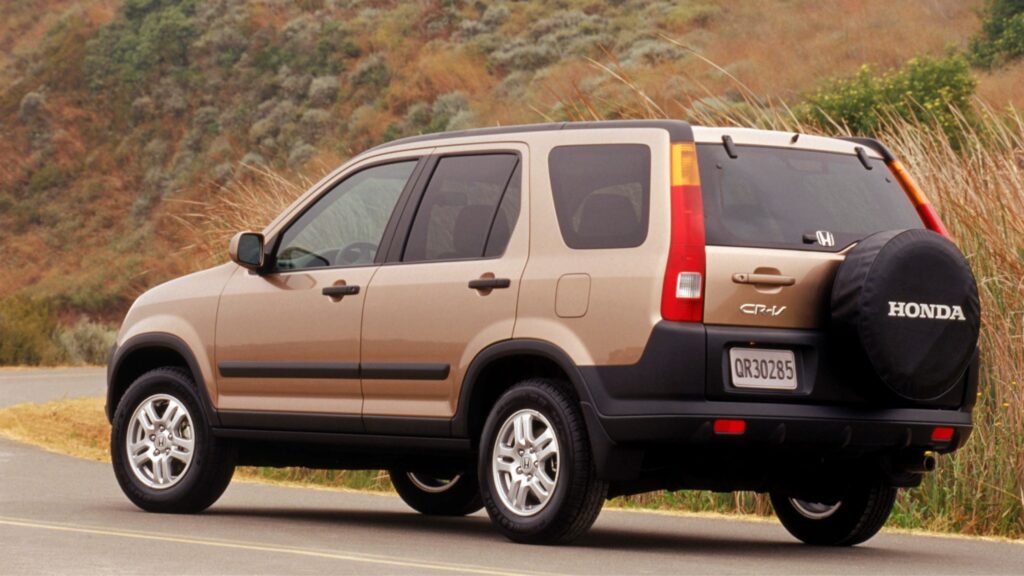
Selling a used car is usually a pleasant process: you get the money, say goodbye to the buyer, and forget about the vehicle. But for Mario Yamundo from Toronto, it turned out the opposite. His 2002 Honda CR-V, which he sold back in 2011, suddenly reminded him of itself with hundreds of dollars.
This summer, the man received a demand from Classic Towing and Storage in Etobicoke to pay 1,130 Canadian dollars (about $815 U.S.) for towing and storage of the SUV. The problem was that even though Yamundo sold the CR-V 15 years ago and the vehicle had a “sold” status in the documents, the buyer never completed the transfer process.
As a result, Mario remained the last registered owner, despite not being the actual owner of the vehicle.
“I was supposed to pay for storage of a car I hadn’t seen in 15 years. That seems unfair to me,” he told CTV News.
Whether anyone actually drove the old Honda during those fifteen years remains unknown.
Why it happened
Kevin Araya, manager of Classic Towing and Storage, told CTV that buyers of used cars forget to transfer the vehicle into their name more often than one might imagine. He advises sellers not to hand over the keys until the buyer makes the changes to the registration documents.
In Ontario, a buyer has six days after the sale to register the car in their name. After that period expires, the seller can contact ServiceOntario and mark the vehicle as sold. But that does not mean the registration has been transferred. If the buyer fails to fulfill their obligations, the seller can remain in the documents as the last registered owner forever.
How other regions avoid such problems
For Americans, this situation is familiar, although some states provide sellers with additional protection. In California, for example, a seller is required to notify the DMV within five days by filing a Notice of Transfer and Release of Liability. The buyer still has to complete the transfer, but this notice usually shifts responsibility for subsequent parking violations, traffic violations, and civil claims to the buyer.
Texas has a similar scheme: a seller can file a Vehicle Transfer Notification, and that information appears in the state’s vehicle registry. If it is done within 30 days, the seller receives protection from liability, even if the buyer is in no hurry to complete the transfer. In the UK, the approach is even simpler: the seller enters the buyer’s details in the registration document at the moment of sale and sends it to the relevant authority so the change of owner is recorded.
The lesson from this story
Yamundo eventually, very reluctantly, paid 1,130 Canadian dollars. He believes consumers deserve stronger protection against bills that arrive many years after a car is sold. His experience with the CR-V, which he had long considered a closed chapter of his life, is a compelling argument for closing this gap in Ontario’s legislation.
Such cases should be seen not as a curiosity but as a reminder of the importance of bureaucracy in private sales. A deal should be considered complete only when all documents are signed and state registries have received information about the new owner. Sellers should keep copies of the contract, record odometer readings, and even take photos of the ad. And if possible, it is better to visit the office where the car is being transferred together with the buyer. It is much easier to spend an extra hour during the sale than to prove 15 years later that you have nothing to do with that vehicle.
Honda