 by
by Background and Context of the Update
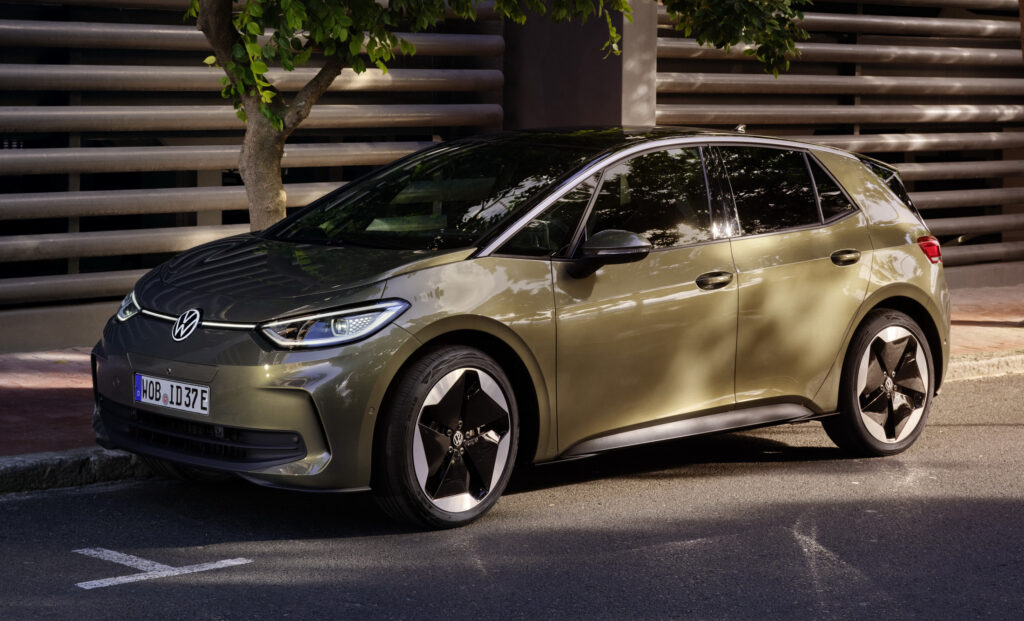
The Volkswagen ID.3 was introduced in 2019 as the first model of the dedicated ID electric lineup. Positioned as a compact hatchback, it received a mid-lifecycle update in 2023. Volkswagen is now preparing an even more serious update that will affect the exterior, technology, and battery options.
According to recent reports, the next generation of the electric Golf has been postponed until 2030. This means the ID.3 will have to fulfill its duties for significantly longer than initially planned. Meanwhile, growing pressure from aggressively affordable Chinese electric vehicles has raised the bar for European automakers.
What is Volkswagen Hiding?
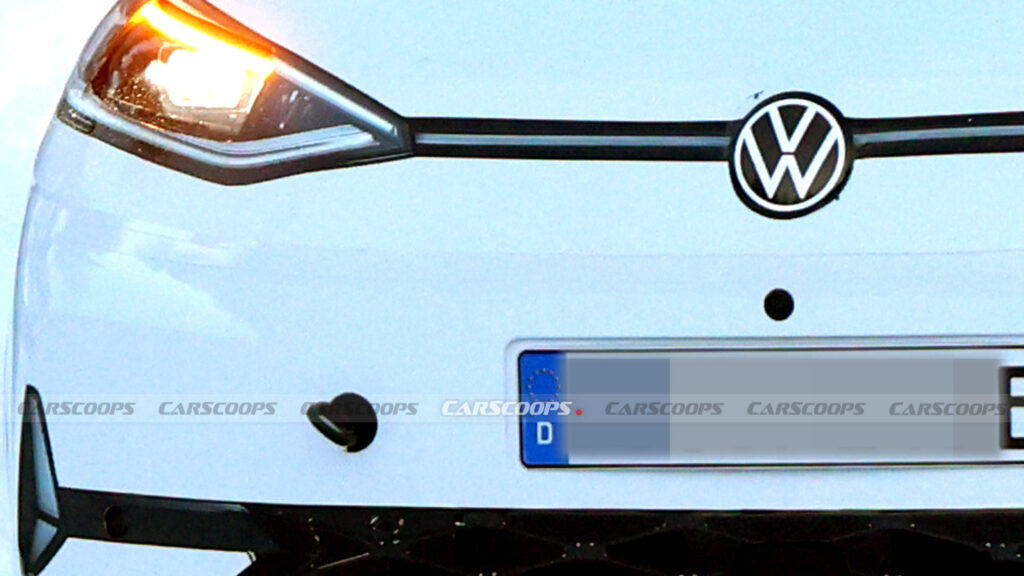
Test shots have captured the updated ID.3 undergoing trials in low-temperature conditions, ahead of its expected premiere in the second quarter of this year. As is often the case with Volkswagen prototypes, the test car has a clever camouflage that mimics the current model.
However, upon closer inspection, one can notice stickers concealing updated design elements on the radiator grille and headlights. These new front-end components are likely to align with the visual identity of the upcoming ID. Polo, a model created under the direction of Volkswagen’s Head of Design, Andreas Mindt.
SH Proshots
The side view and rear of the prototype look almost identical to today’s ID.3. This is unlikely to remain the case. As development progresses and newer prototypes appear, more noticeable changes are expected to emerge just before launch.
Last year, Volkswagen’s Head of Development, Kai Grünitz, stated that the updated ID.3 and ID.4 would receive “a completely new design language, returning to where we originally came from.”
This suggests the changes will be much deeper than just updated LED lighting.
What Will Change in the Interior?
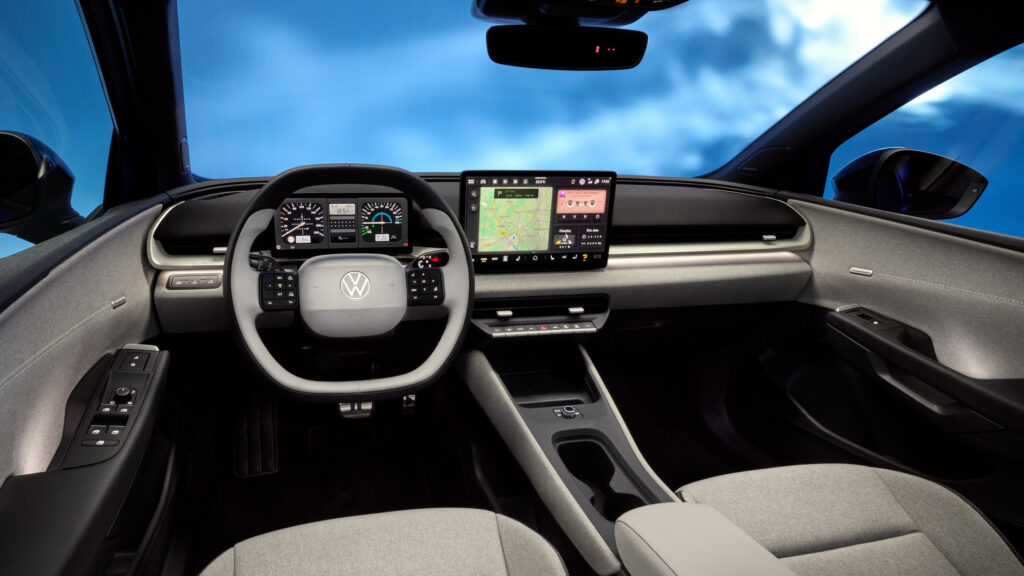
Inside, the hatchback will follow Volkswagen’s general trend of returning physical buttons and tactile controls, considering persistent customer feedback, mirroring the approach adopted in the new ID. Polo. Interior quality is also expected to improve thanks to updated materials and design elements.
Beyond style and technology, the MEB-platform model will also receive technical improvements that will enhance its performance, range, and charging time. There is also a possibility that the sporty GTX version will transition to the GTI badge, in line with the evolution of the Volkswagen brand.
Battery Variety
New battery cells will not be the only option. According to reports, Volkswagen is preparing a base version using a more affordable lithium-iron-phosphate (LFP) battery. This move could help lower the starting price, which is an important strategy in the face of competition from a stream of budget Chinese electric vehicles.
It remains uncertain whether the updated model will retain the ID.3 name. Volkswagen’s updated nomenclature strategy includes using traditional names for electric vehicles, as seen with the upcoming ID. Polo hatchback and the related ID. Cross crossover.
Could this signal a transition from ID.3 to ID. Golf, and from ID.4 to ID. Tiguan? It’s possible, although nothing is confirmed yet. In any case, the updated ID.3 is expected to reach customers in the second quarter of this year, with the larger crossover appearing later. 2026 is shaping up to be pivotal for Volkswagen’s electric lineup, with the launch of both ID. Polo and ID. Cross models on the horizon.
These Volkswagen plans reflect the dynamic transformation of the market, where traditional automakers are adapting not only to technological challenges but also to new rules of competition. The focus on improving the user experience through physical controls and expanding the battery range is a direct response to consumer needs and economic pressure. The success of these updates could significantly impact the brand’s position in Europe, which remains a key battleground in the fight against new players offering technology often at lower prices.