


Toyota halts development of electric Lexus sedan due to declining demand
The automotive industry continues to undergo serious adjustments in the electric vehicle sector. The latest brand to revise its plans is Lexus. According to sources, Toyota has canceled the project to create a new generation of an electric sedan that was supposed to showcase the brand’s most advanced technologies.
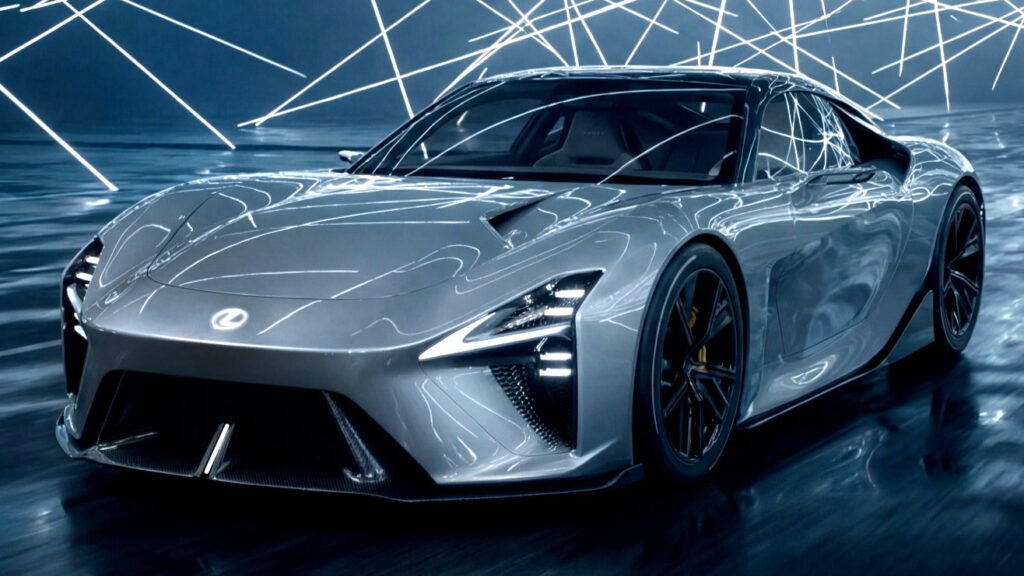
It is likely about the production version of the Lexus LF-ZC concept (pictured below). This elegant electric vehicle, presented in 2023, was meant to lead a new wave of Lexus electric models. Initially, production was planned to start this year, then it was postponed to 2027. Now, according to Nikkei Asia, the project, which was to compete with the BMW i3 sedan, has been completely closed.
Related: Lexus representative confirmed the GX 550h hybrid, but it may lose what buyers love most
Technologies remain, but the platform changes
However, this does not mean that Toyota is abandoning the technologies themselves. The company, according to rumors, continues to develop gigacasting and solid-state batteries — precisely the innovations with which the canceled sedan was to be equipped. Instead, Toyota is reassessing where these developments will be most commercially viable.
The answer is obvious: buyers are massively choosing crossovers, while traditional sedans, especially electric ones, are losing popularity. If Toyota does launch a new generation electric vehicle with advanced technologies, it will likely have higher ground clearance, reports Nikkei Asia.
Sales are growing, but problems remain
This decision was made against the backdrop of a 42% increase in Toyota’s electric vehicle sales in 2025 — to over 190,000 units worldwide. Models like the updated bZ4X and the Chinese bZ3X (pictured above) helped stimulate demand. However, global market conditions remain challenging, especially in North America. The cancellation of federal incentives for electric vehicles in the US and shifting political attitudes in Europe, which is abandoning the ban on internal combustion engines from 2035, have forced automakers to reconsider their ambitious electrification plans.
Toyota is not alone in this. Over the past two years, many manufacturers have delayed, reduced, or completely canceled electric vehicle production programs due to slowing growth rates. Some have paid a high price for this. For example, Honda’s recent retreat from part of its 0 Series strategy resulted in write-offs of nearly $16 billion.
Lexus is not completely abandoning electric vehicles
However, Toyota’s latest turn does not mean Lexus is completely abandoning electric vehicles. The luxury brand is still developing a flagship electric coupe, which will become the successor to the V10 LFA and be positioned as an analog to the future Toyota GR GT with a V8.
Thus, while the market forces plan adjustments, technological development continues, and Lexus will focus on segments where demand for electric vehicles remains stable. The cancellation of the LF-ZC sedan is not the end of the electric era, but merely a tactical regrouping in the face of new realities. The company is betting on more popular body formats while maintaining ambitions to create true technological masterpieces, such as the future electric coupe. This reflects Toyota’s pragmatic approach: not abandoning innovation, but adapting it to current market conditions to avoid the financial losses that competitors have suffered.