


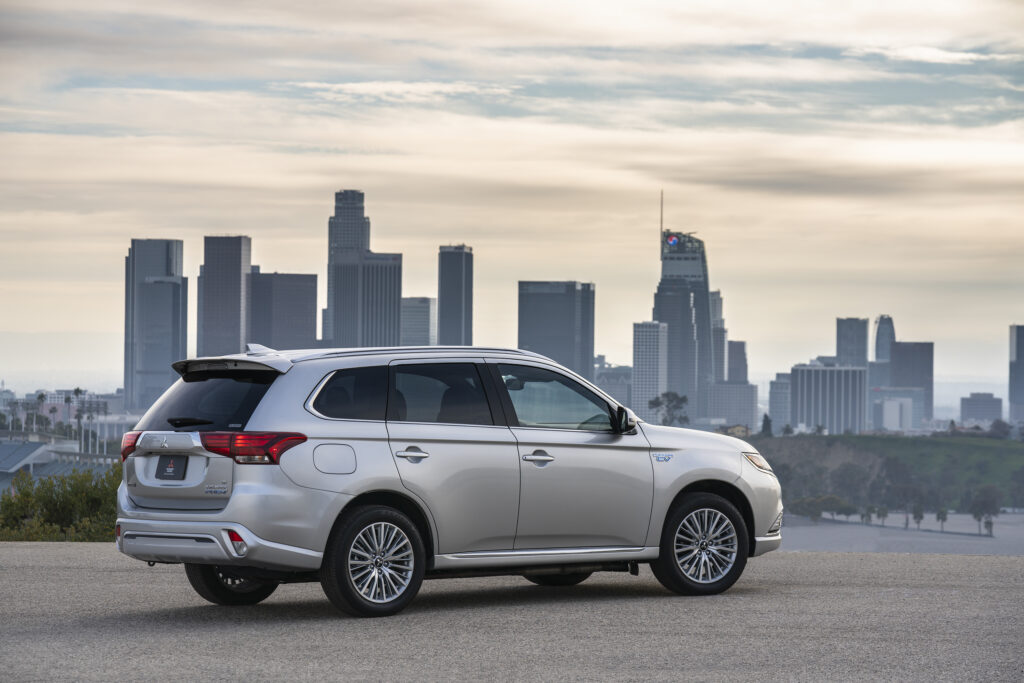
Mitsubishi announces recall of over 108,000 Outlanders due to gas strut problems
It seems almost daily there is news of yet another recall from Ford, which leads in the number of such campaigns in the US. In contrast, Mitsubishi rarely makes headlines for recalls. And now the company has announced its first recall of the year, which is essentially just an expansion of a campaign launched last year.
Nature of the Problem
The new recall covers 108,046 vehicles: 2018-2022 Mitsubishi Outlander PHEV and 2014-2020 Mitsubishi Outlander models. The manufacturer reported that the gas cylinder of the strut used for the tailgate can corrode upon contact with salt water, potentially leading to the strut rupturing.
Read also: It bounces, it flutters, and now it has gone to court
Previous Recall and Its Expansion
Prior to this recall, the last one Mitsubishi announced in the US was in August of last year and concerned the same issue. However, the initial recall was limited to vehicles in states with heavy road salt use.
These states include: Alaska, Connecticut, Delaware, District of Columbia, Illinois, Indiana, Iowa, Kansas, Kentucky, Maine, Maryland, Massachusetts, Michigan, Minnesota, Missouri, North Dakota, Nebraska, New Hampshire, New Jersey, New York, Ohio, Pennsylvania, Rhode Island, South Dakota, Utah, Vermont, West Virginia, and Wisconsin.
What Changed?
Now the recall has been expanded to all vehicles that are currently or were previously registered in these “Salt Belt” states. The recall affects Outlander PHEVs manufactured from November 13, 2017, to March 11, 2022, as well as standard Outlanders produced from April 12, 2013, to December 18, 2020. Dealerships will replace the struts free of charge.
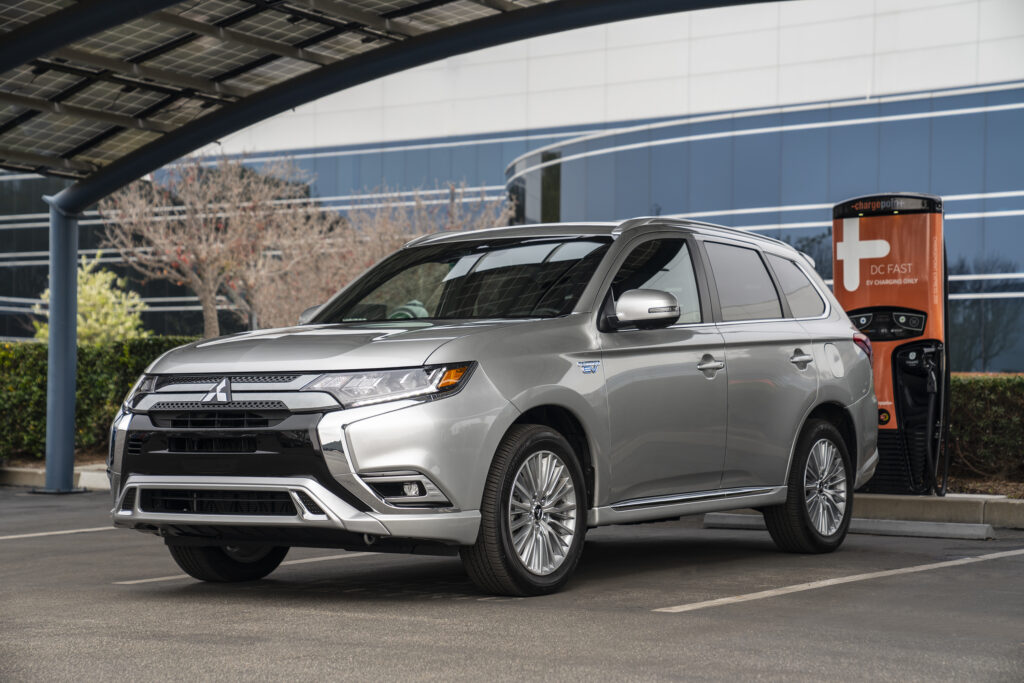

This recall is an illustrative example of how automakers respond to problems arising from operation in specific climatic conditions. Although Mitsubishi is not a leader in the number of recalls, this case demonstrates that even rare campaigns can be significant in scale when safety is concerned. Expanding the recall’s geography to all vehicles that were once operated in “salt” states suggests that corrosion may not manifest immediately, but over time, even after a change in registration region. Owners should check whether their vehicle falls under this campaign, especially if it has a history of operation in the listed states.