


Large-Scale Recall Due to Visor Issues
The automaker Ford once again demonstrates why it is the undisputed leader in the number of recalls, announcing two campaigns at once related to the risk of fire. In total, these measures affect 140,256 vehicles, bringing the total number of “Blue Oval” recalls this year to 33, which is three times more than its closest competitor.
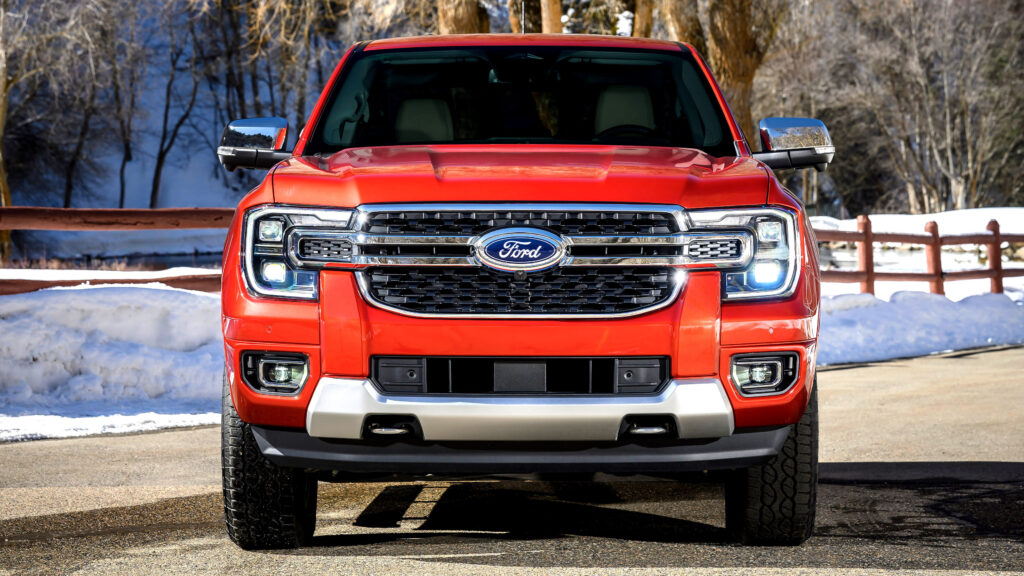
The largest campaign concerns 140,201 Ranger pickups from model years 2024-2026. A problem has been identified with the sun visor wiring, which can short-circuit and cause a fire.
Ford learned about the problem in October of last year after inspecting a 2024 Ranger that caught fire. “Visual signs indicated that the fire may have originated from a short circuit in the sun visor power cable,” and the vehicle had a fault code indicating a short circuit in the visor lamp.


Two Key Technical Faults
During the investigation, the automaker identified two key problems. The first was that the protective tape around the headliner electrical wiring was too thick. Because of this, the harness could get stuck in a metal hole and damage one of the electrical circuits.
The second problem was related to improper wiring routing: “An improperly routed wire harness can lead to unwanted contact with metal components, which can cause wire damage.”
The combination of these issues leads to damaged wires that may contact each other or with metal body components. This can cause sparking, short circuits, overload of the body control module, smoke, scorching, melting, and fire. The problem may start with minor symptoms, but repeated short circuits and sparking over time lead to soot accumulation and, eventually, can cause an open flame.


Problem Resolution Plan and Incident Statistics
So far, Ford is aware of three warranty claims, two field reports, and one customer service record related to this issue. However, they concerned only four vehicles, and an actual flame was recorded in only one case. The other three pickups only exhibited “smoke or signs of scorching.” Fortunately, no injuries or accidents have been reported.
To eliminate the fire risk, dealers will inspect the vehicles for a history of B14AA-11 fault codes, which indicate a short circuit in the sun visor lamp. If previous problems are found, technicians will inspect the visor wire harness for damage and replace it if necessary.
All vehicles will also receive updated body control module software that disables power to the sun visor lamp after detecting a certain number of B14AA fault codes.
There is currently no physical fix for the defect, but owners will receive notification letters this month. When a remedy becomes available, they will receive a second notice, likely in August.
Expanded Recall Due to Engine Block Heaters
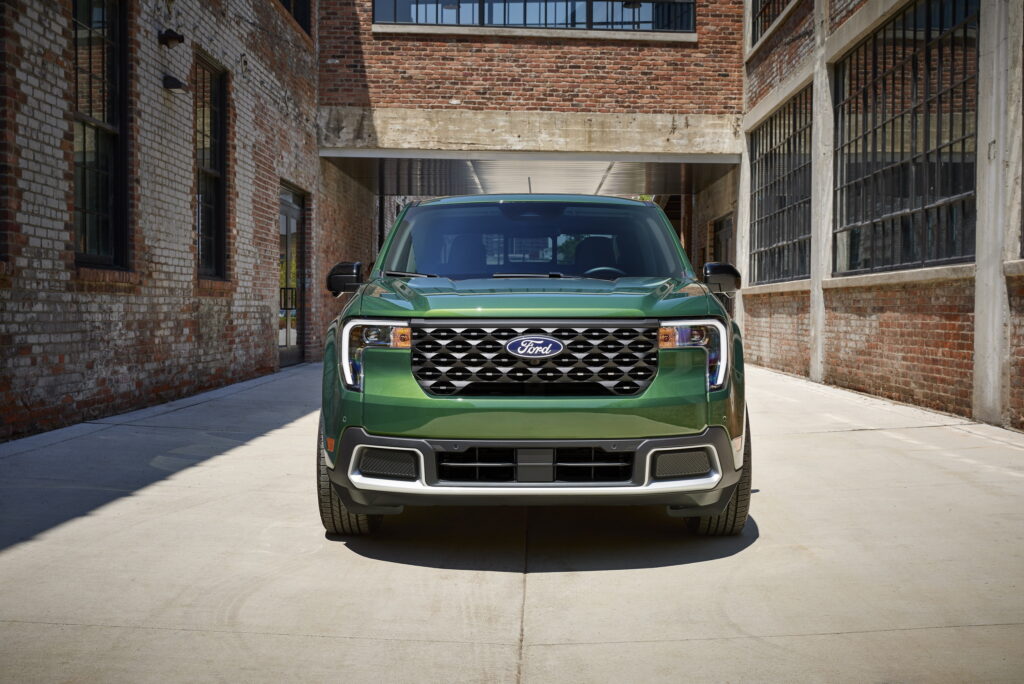
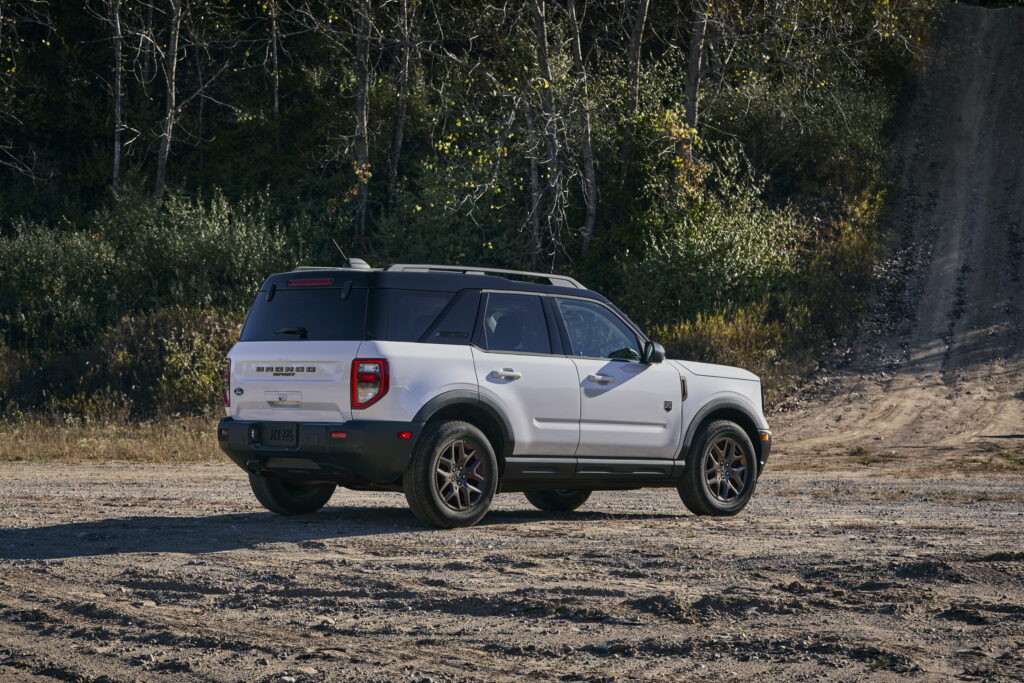
The second recall is familiar, as Ford is expanding a previous campaign that affected 6,781 vehicles due to fire risk from engine block heaters. An additional 55 vehicles have been added to the list, including the 2025 Maverick and 2026 Bronco Sport.
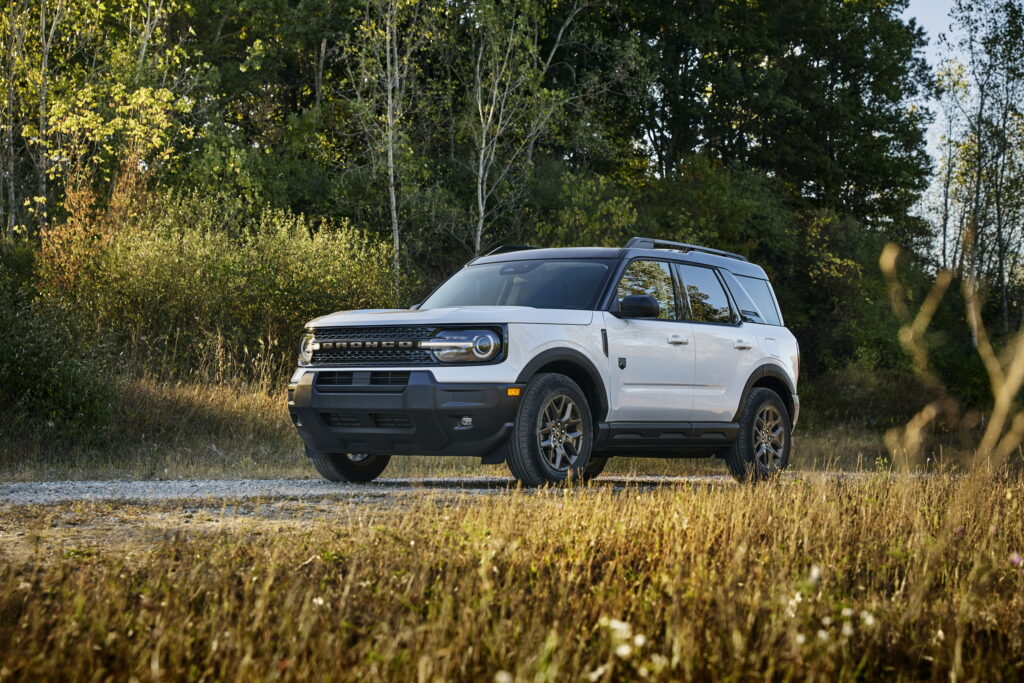

According to the recall report, “the design of the block heater element, its packaging in the 1.5L and 2.0L MPC engine blocks, and the installation angle in the involved vehicles” make the heater prone to overheating when plugged in. This increases the risk of fire, as well as the risk of coolant leakage and damage to the electrical connector.

How the Vehicles Reached Customers
The initial recall was approved last year, but the automaker began an investigation in February after discovering that Bronco Sports with block heaters were “mistakenly” built and shipped despite a stop-build order. In total, 47 Bronco Sports and 8 Mavericks slipped through the net.
Owners will be notified later this month and will be advised to stop using the heaters. A remedy is expected in June: dealers will replace the block heater and inspect/replace the electrical cord.
These dual recalls highlight the ongoing challenges faced by major automakers in quality control of complex modern vehicles. Although the number of actual fire incidents remains relatively small, Ford’s proactive approach to identifying and eliminating potential hazards is standard industry practice aimed at preventing serious consequences. The speed with which the company responded to the October incident, as well as the expansion of previous campaigns, indicates ongoing post-sale safety monitoring. For owners of the affected models, the most important thing is to follow the manufacturer’s instructions and contact a dealer immediately upon receiving notification so that all necessary inspections and fixes are carried out in a timely manner.