 by
by Previous Cuts and New Plans
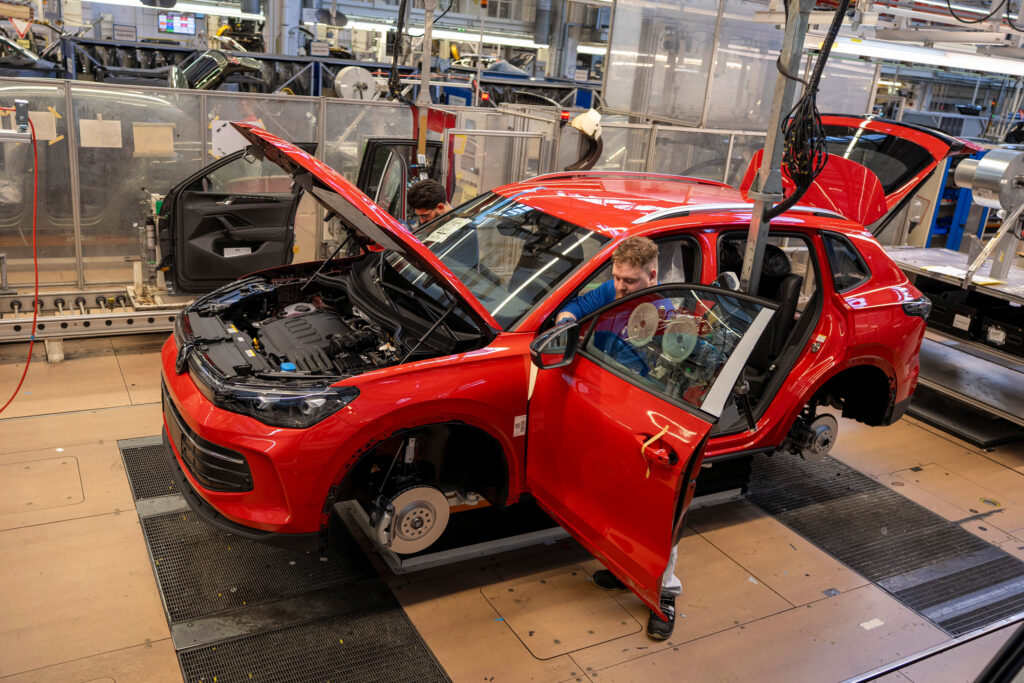
Back in late 2024, Volkswagen Group announced large-scale cuts that were to lead to the layoff of over 35,000 employees in Germany by 2030. This step marked the closure of the so-called “Transparent Factory” and the future relocation of Golf model production to Mexico.
However, as reported by Manager Magazin, the company does not intend to stop there. The group’s management allegedly demands that all its brands cut costs by 20 percent. This is a very substantial amount, and, according to information, this task must be completed by the end of 2028.
Previous measures allowed for savings in the “double-digit billion euro range.” This gave the company the opportunity to mitigate the consequences of geopolitical problems, such as tariffs.
Are Plant Closures Threatened?
Plans for sharp cuts, according to sources, were presented back in January by Volkswagen AG CEO Oliver Blume. Specific details are not yet disclosed, but it is believed that the issue of plant closures is also being considered. This is just speculation, however, information had previously emerged that earlier cost-cutting measures at plants in Wolfsburg, Emden, and Zwickau did not yield the expected effect.
A Wide Range of Problems
Although tariff wars are a serious problem in Europe and the USA, they are far from the only ones. The Volkswagen Group’s massive bet on electric vehicles has not yet paid off, as their adoption is happening more slowly than the automaker’s management expected. Of course, the situation varies across different markets.
The company is also facing difficulties in China, and software and platform issues remain a sore point. These problems and associated costs are dragging the group down, reducing its operating profit by 33 percent in the first half of 2025. At the same time, the company disclosed that American tariffs cost it $1.5 billion (€1.3 billion).
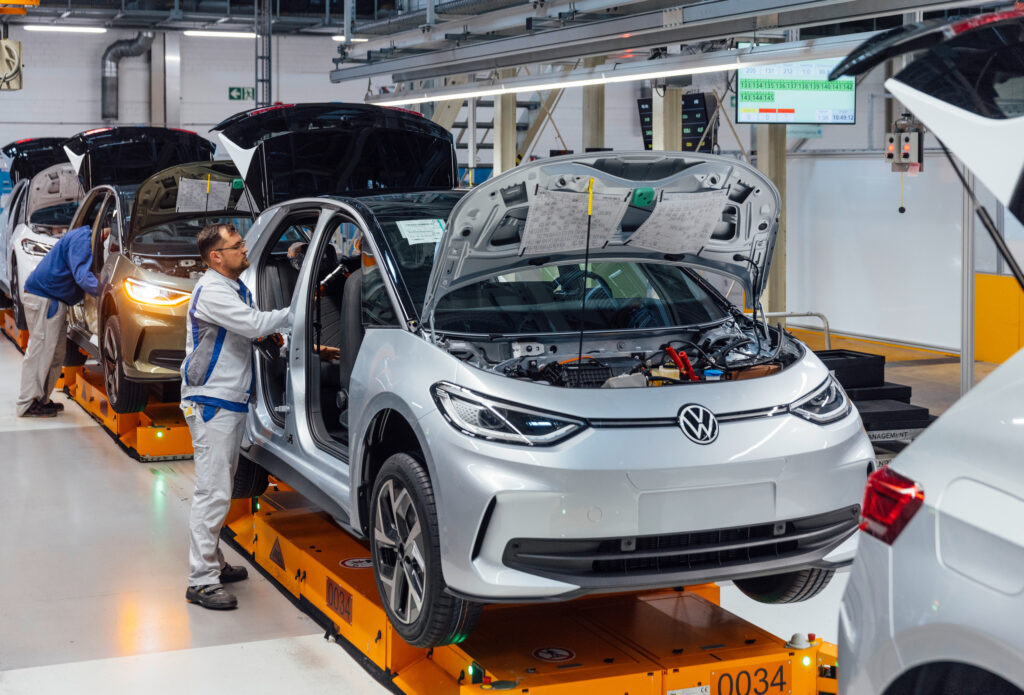
The planned cuts could become the largest restructuring in the group’s history, indicating the depth of the crisis it finds itself in. The transition to electric vehicles has proven much more complex and expensive than anticipated, and external economic factors are only increasing the pressure. The success of this “cleanup” will directly impact not only the future of Volkswagen itself but also the entire European automotive industry, which is trying to adapt to new realities. The question remains open: will the company manage to find a balance between the need for savings and preserving innovative potential to compete with new market players?