


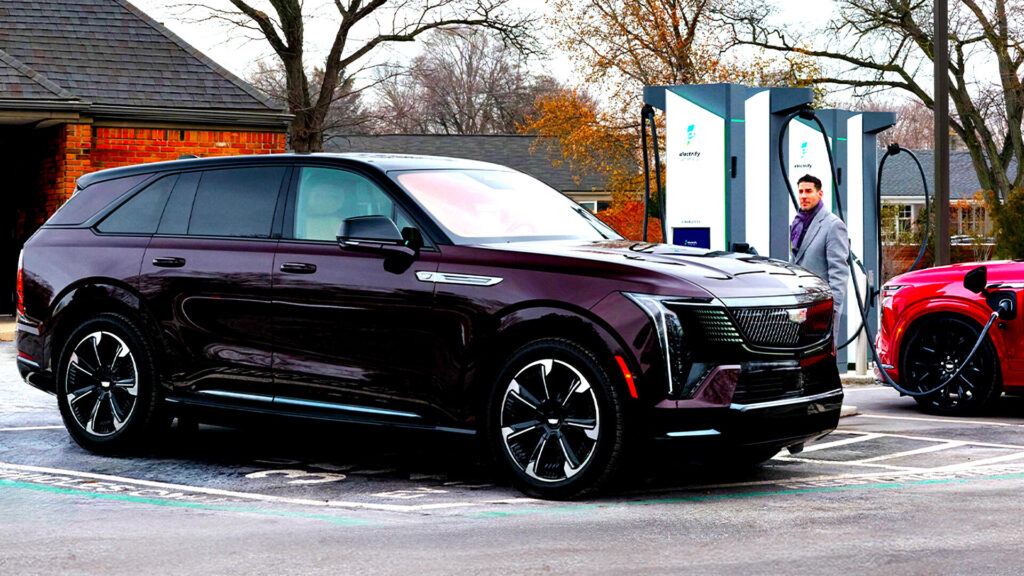
US Congress Considers New Fees for Electric Vehicle Owners
The US House of Representatives is preparing to work on a new bill that could cost electric vehicle owners hundreds of dollars. This step is part of legislative initiatives aimed at making electric car drivers start financing road repairs, since traditional funding through gasoline and diesel fuel taxes does not apply to them.
Key discussion points:
Searching for Highway Trust Fund Revenue Sources
Most funds for road maintenance traditionally come from gasoline and diesel fuel taxes. However, with the growing popularity of electric vehicles, a significant funding gap has emerged, as their owners do not pay these taxes. Congress, like many states, is looking for ways to eliminate this inequity.
Also Read: Michigan Just Made Owning an Electric Vehicle More Expensive
New Bill and Potential Fee Amounts
The Chairman of the House Transportation and Infrastructure Committee announced that work on a new surface transportation bill will begin in April, which is to replace the current legislation expiring on September 30. Although the details of the bill are not yet known, Congressman Sam Graves noted that a five-year proposal with federal funding of $500-550 billion is expected. He also stated:
We would like to get money from electric vehicles.
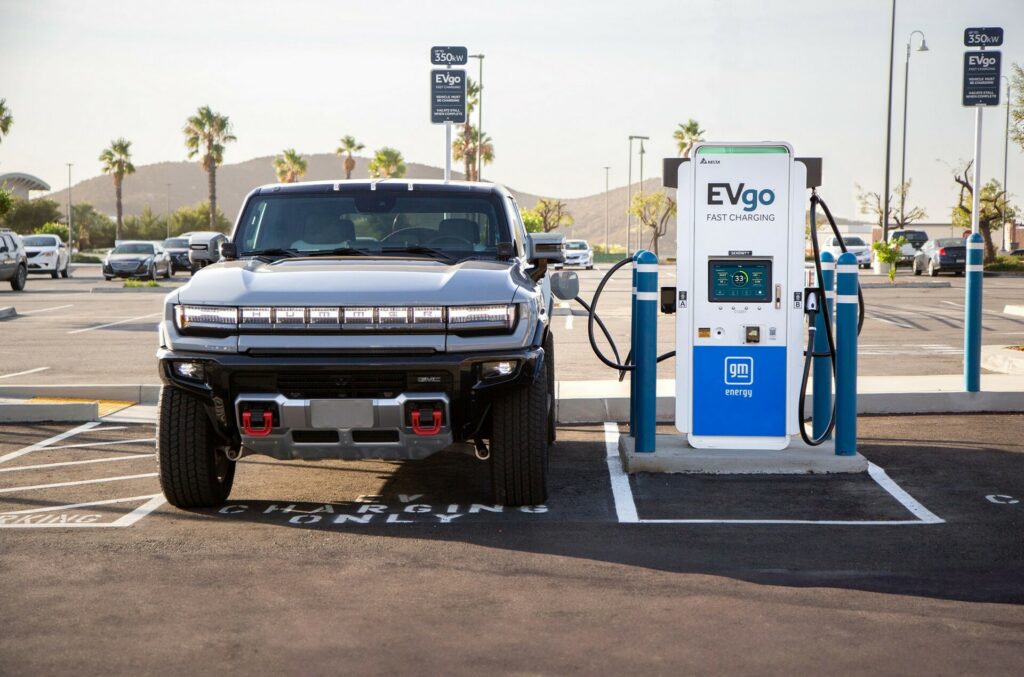

Among Republicans, there are various taxation proposals: The House of Representatives favors an annual fee of $250, while senators prefer a one-time payment of $1000.
Reaction and Political Context
These proposals have caused dissatisfaction, especially against the backdrop of fuel taxes not having changed for almost 33 years. However, raising the gasoline excise tax is also politically difficult, given the rise in fuel prices due to geopolitical events. This makes electric vehicles a relatively easy target for new taxes, although their market share is significantly smaller than that of ICE vehicles.


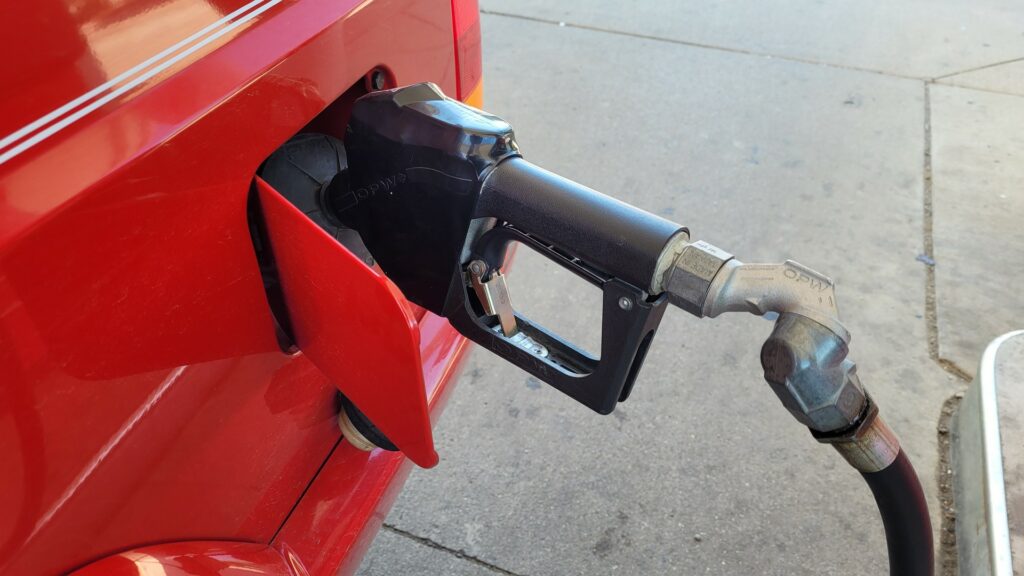
Some politicians also propose extending taxation to other types of electrified vehicles, meaning not only fully electric transport could fall victim. The outcome of these legislative initiatives remains uncertain, especially in the pre-election period when the cost of living is a key issue. According to data, the average American pays about $88 in federal gasoline tax annually.

The issue of fair funding for road infrastructure in the era of electric vehicles is becoming increasingly relevant. The transition to new types of transport requires a rethinking of traditional fiscal mechanisms. At the same time, introducing new fees for electric car owners could affect the rate of their adoption, which contradicts the environmental goals of many governments. The balance between supporting innovation and ensuring stable budget revenues remains a complex political and economic dilemma that requires careful analysis of the long-term consequences for transport, the economy, and the environment.